ورم شوان العلاج في النمسا - التكاليف 2026


تمت مراجعة المقالة طبيا من قبل
فهد مولود
ما هي تكلفة ورم شوان إجراءات التشخيص والعلاج في النمسا؟ اعرف الآن
مزاياك وضماناتك مع Bookimed
أسعار مباشرة
Bookimed لا يضيف رسوماً إضافية على أسعار علاج ورم شوان. الأسعار مأخوذة من قوائم الأسعار الرسمية للعيادات. تدفع مباشرة في العيادة مقابل علاجك عند وصولك إلى البلد.
عيادات وأطباء معتمدون فقط
Bookimed ملتزم بسلامتك. نحن نعمل فقط مع المؤسسات الطبية التي تحافظ على معايير دولية عالية في علاج ورم شوان ولديها التراخيص اللازمة لخدمة المرضى الدوليين في جميع أنحاء العالم.
مساعدة مجانية على مدار الساعة
Bookimed يقدم مساعدة خبراء مجانية. منسق طبي شخصي يدعمك قبل وأثناء وبعد العلاج، ويحل أي مشاكل. لن تكون وحيداً أبداً في رحلة علاج ورم شوان.

منسقك الطبي الشخصي في Bookimed
- يدعمك في كل مرحلة
- المساعدة في اختيار العيادة الطبية المناسبة والطبيب المناسب
- يضمن الوصول السريع والمريح إلى المعلومات
اكتشف أفضل ورم شوان العيادات في النمسا: 1 خيار معتمدة والأسعار




مشاركة المحتوى
قصص فيديو من مرضى Bookimed
 Anna Leonova
أسئلة متكررة حول علاج ورم شوان في النمسا
ما هي طرق العلاج الرئيسية المستخدمة لعلاج الورم الشفاني في النمسا؟
يعالج جراحو الأعصاب النمساويون أورام شفان باستخدام المراقبة النشطة والجراحة المجهرية والعلاج الإشعاعي الموجه. وتلتزم عيادات مثل عيادة فيينا الخاصة بمعايير الجمعية الأوروبية لأورام الجهاز العصبي. وتؤكد هذه البروتوكولات على الحفاظ على الأعصاب والسيطرة على الورم على المدى الطويل. ويستخدم الأطباء المراقبة العصبية الفيزيولوجية أثناء الجراحة لحماية وظائف الوجه والحركة خلال استئصال الورم.
- المراقبة النشطة: يقوم الأطباء بمراقبة الأورام الصغيرة التي لا تظهر عليها أعراض من خلال فحوصات التصوير بالرنين المغناطيسي عالية الدقة بانتظام.
- الاستئصال الجراحي المجهري: يستخدم الجراحون المجاهر لإزالة الأورام التي تسبب ضغطًا على الأعصاب أو ألمًا.
- العلاج الإشعاعي: تُستخدم الجراحة الإشعاعية التجسيمية لعلاج الأورام متوسطة الحجم أو في الحالات التي تنطوي على مخاطر جراحية عالية.
- حماية الأعصاب: يستخدم المتخصصون المراقبة في الوقت الحقيقي لضمان سلامة الأعصاب القحفية والمحيطية.
رأي خبراء بوكيمد: ينبغي على المرضى الذين يبحثون عن رعاية متخصصة أن يعلموا أن عيادة فيينا الخاصة تتعاون مع أساتذة من جامعة فيينا الطبية. يتيح هذا التعاون الوصول إلى جراحي أعصاب ذوي كفاءة عالية، والذين غالبًا ما يتخصصون في مو
هل يمكن أن يعود الورم الشفاني بعد العلاج في النمسا؟
يُعدّ تكرار الإصابة بالورم الشفاني في النمسا أمرًا واردًا، ولكنه يبقى نادرًا بعد استئصال الورم بالكامل. تُشير معظم مراكز جراحة الأعصاب النمساوية إلى نسبة نجاح تصل إلى 95% في استئصال الورم بالكامل. ويعتمد النجاح على استبعاد كبسولة الورم والتقنيات الجراحية الدقيقة المُستخدمة في مراكز الأورام المتخصصة.
- عمق الاستئصال: يؤدي الاستئصال الكامل لكبسولة الورم إلى تقليل خطر تكرار الإصابة إلى أقل من 5٪.
- الأنسجة المتبقية: إن ترك أجزاء صغيرة لحماية الأعصاب يمكن أن يؤدي إلى إعادة نمو الأنسجة لاحقاً.
- بروتوكول المراقبة: يستخدم الأخصائيون النمساويون مراقبة التصوير بالرنين المغناطيسي لمدة تتراوح بين 5 و 15 عامًا بعد الجراحة.
- خيارات علاجية إضافية: في حالة الانتكاس، يتم استخدام سكين جاما أو إعادة الجراحة المجهرية.
رأي خبراء بوكيمد: غالبًا ما يرتبط العلاج عالي الجودة لورم شفانوما في فيينا بالعلاقات الأكاديمية. ففي عيادة فيينا الخاصة، يعمل العديد من الأطباء أيضًا أساتذةً في جامعة فيينا الطبية. وهذا يضمن حصول المرضى على علاج قائم على أحدث الأبحاث العصبية والبروتوكولات الجراحية. كما أن المرافق الطبية التي تستوفي معايير ISO والمدرجة في تصنيفات نيوزويك، تميل إلى تقديم خطط متابعة طويلة الأمد
كيف يحمي الجراحون النمساويون العصب الوجهي ووظيفة السمع؟
يحرص الجراحون النمساويون على حماية العصب الوجهي ووظيفة السمع باستخدام المراقبة العصبية الفيزيولوجية أثناء الجراحة والدقة الجراحية المجهرية. ويستخدمون النيموديبين كوقاية لمنع التشنجات الوعائية. كما تُنبه فرق الجراحة إلى تهيج الأعصاب من خلال تخطيط كهربية العضل في الوقت الحقيقي وجهود الاستجابة السمعية في جذع الدماغ. وتضمن هذه البروتوكولات استئصال الورم بأمان مع الحفاظ على الآليات العصبية الحيوية.
- المراقبة العصبية: يقوم تخطيط كهربية العضل المستمر بتتبع ارتعاشات عضلات الوجه أثناء تشريح الورم.
- الحماية الدوائية: يحافظ النيموديبين وبدائل البلازما على تدفق الدم في الأوعية الدموية الدقيقة إلى الأعصاب.
- النهج الجراحي: عند استخدام التقنيات القائمة على الوصول من خلال الحفرة القحفية الوسطى، تُعطى الأولوية للآفات الصغيرة الموضعية.
- الاستئصال الوظيفي: يترك الجراحون أجزاء الورم المجاورة لمنع شلل العصب الوجهي غير القابل للعلاج.
رأي خبراء بوكيمد: غالبًا ما تتحدد مؤشرات الجودة في النمسا بالروابط الأكاديمية. فالعديد من الأخصائيين في عيادة فيينا الخاصة هم أيضًا أساتذة في جامعة فيينا الطبية. وهذا يضمن حصول المرضى على علاج قائم على أحدث الأبحاث العصبية ومعايير السلامة المعتمدة من قبل المنظ
ما هي المستشفيات في النمسا التي تعتبر رائدة في علاج الورم الشفاني؟
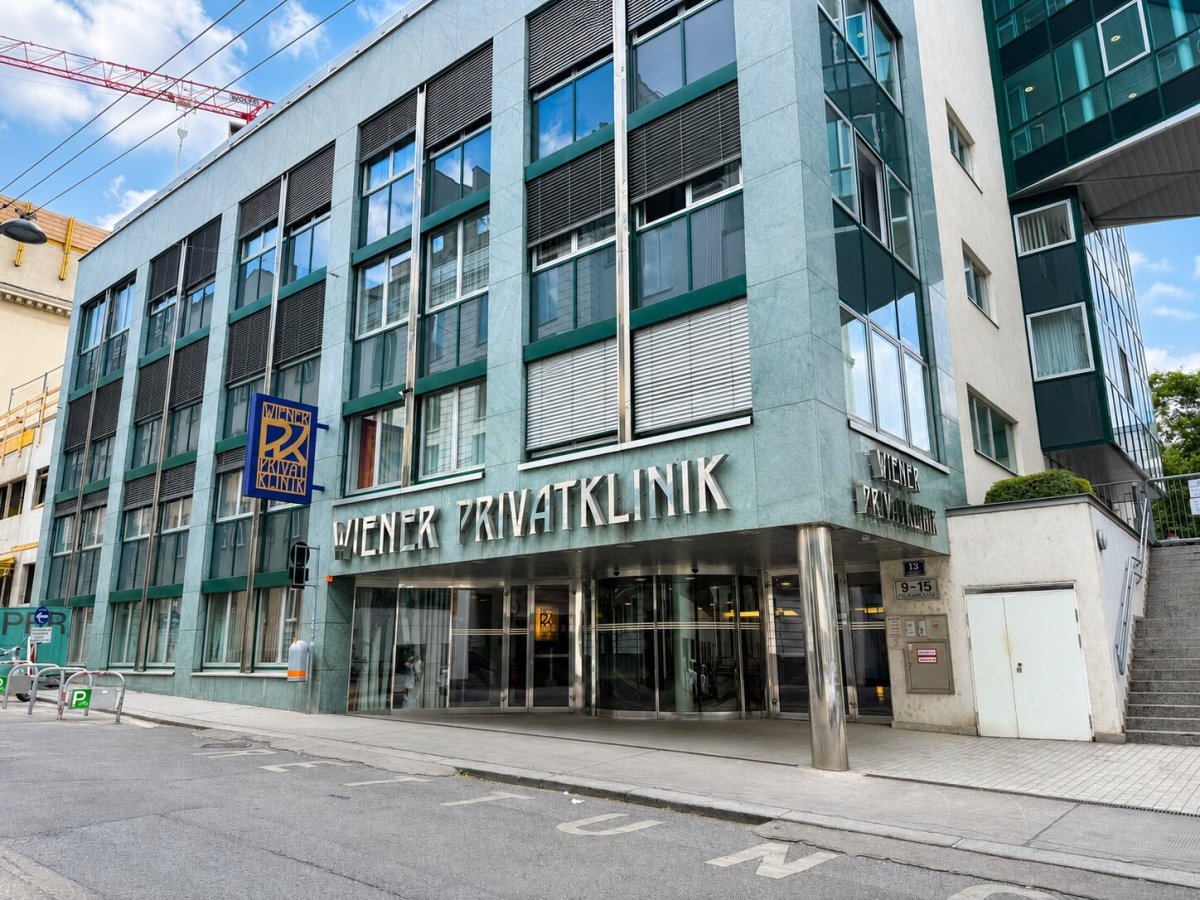
تضمّ المستشفيات النمساوية الرائدة في علاج أورام شفان مستشفى فيينا الخاص (Wiener Privatklinik) ومستشفى فيينا العام (AKH Wien). تتخصص هذه المراكز في استئصال الأورام بالجراحة المجهرية وإجراءات قاعدة الجمجمة. وتستخدم أنظمة مراقبة متطورة أثناء العمليات الجراحية لحماية وظائف الأعصاب وضمان نسب نجاح عالية في فيينا.
- عيادة فيينا الخاصة: هذه المنشأة الطبية الحاصلة على شهادة ISO متخصصة في علاج الأورام الشفانية للأعصاب الطرفية وقاعدة الجمجمة.
- مستشفى فيينا العام: يقوم قسم جراحة الأعصاب بعلاج أورام شفان الدهليزية المعقدة بمساعدة فرق متعددة التخصصات.
- التشخيص المتقدم: تستخدم المراكز النمساوية التصوير العصبي عالي الدقة لرسم خريطة دقيقة للأورام قبل الجراحة.
- العلاج الإشعاعي: تقدم شركة MedAustron علاجًا عالي الدقة بالبروتونات وأيونات الكربون لعلاج أورام الجمجمة العميقة.
رأي خبراء بوكيمد: تتميز عيادة فيينا الخاصة بكونها تضم أكثر من 400 طبيب، من بينهم أساتذة من جامعة فيينا الطبية. يتيح هذا الهيكل للمرضى الاستفادة من خبرات أكاديمية رفيعة المستوى في بيئة عيادة خاصة. ويعكس تصنيفها البالغ 4.7 نجوم ميزة الإشراف الجراحي الشخصي من قبل باحثين جامعيين بارزين.
ما الذي ينبغي أن يتوقعه المرضى خلال فترة التعافي وإعادة التأهيل بعد العلاج؟
عادةً ما يتبع التعافي بعد علاج الورم الشفاني في النمسا برنامجًا منظمًا مدته 12 شهرًا. وتولي المراكز النمساوية، مثل مستشفى فيينا الخاص، أولويةً للاستقرار الطبي خلال الأسبوع الأول. يلي ذلك ثلاثة أشهر من إعادة التأهيل شبه الحاد بهدف استعادة وظائف الجهاز العصبي. ويتحقق التعافي الوظيفي الكامل عادةً في غضون عام.
- المراقبة الأولية: تتم مراقبة العلامات الحيوية والتئام الجروح لمدة 7 أيام سريرية.
- العلاج الوظيفي: يبدأ العلاج الطبيعي المتخصص أو العلاج الدهليزي في الأسبوع الثاني من فترة التعافي تقريبًا.
- إعادة تشكيل الأنسجة: تستمر الندوب الداخلية العميقة والأنسجة العصبية في النضوج لمدة 12 شهرًا.
- المتابعة السريرية: غالباً ما يقوم الأخصائيون في المرافق المعتمدة من قبل المنظمة الدولية للمعايير (ISO) بجدولة فحوصات المتابعة خلال السنة الأولى.
رأي خبراء بوكيمد: يستفيد المرضى في فيينا من البنية التنظيمية الفريدة للمستشفيات الخاصة، حيث يعمل العديد من الأطباء في عيادة فيينا الخاصة كأساتذة في جامعة فيينا الطبية. وهذا يضمن دمج أحدث الأبحاث العلمية في مجال تجديد الأعصاب في خطط إعادة التأهيل بعد العمليات الجراحية. وغالبًا ما يحظى المرضى باهتمام شخصي أكبر في هذه المرافق التي تضم 130 سريرًا مق