يتحدث أطباء العقم في كوريا الجنوبية اللغة الإنجليزية بشكل متكرر، خاصة في المراكز المتخصصة والمستشفيات الجامعية في سيول. يشغل العديد من المتخصصين، مثل الدكتور هونغ جو في يونسي سارانغمو، مناصب أساتذة مساعدين في أفضل الجامعات حيث تعتبر الأدبيات الطبية باللغة الإنجليزية هي المعيار. يعمل المنسقون المحترفون والأقسام الدولية على سد أي فجوات لغوية متبقية أثناء عملية العلاج.
- التدريب الأكاديمي. تخرج العديد من المتخصصين من جامعة يونسي، حيث يشمل التدريب الطبي المتميز غالبًا الأبحاث الدولية.
- القيادة ثنائية اللغة. يدير مديرون مثل الدكتور هونغ جونغ لي مستشفيات تلبي احتياجات المرضى الدوليين بشكل خاص.
- الدعم المتكامل. غالبًا ما توفر العيادات مترجمين مخصصين للتعامل مع المصطلحات الطبية التقنية والخدمات اللوجستية اليومية.
- شهادات متخصصة. يحمل خبراء مثل الدكتور وو جونغ تشوي شهادات من الولايات المتحدة، مما يشير إلى مستوى عالٍ من إتقان اللغة الإنجليزية.
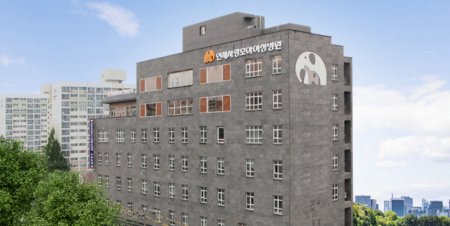
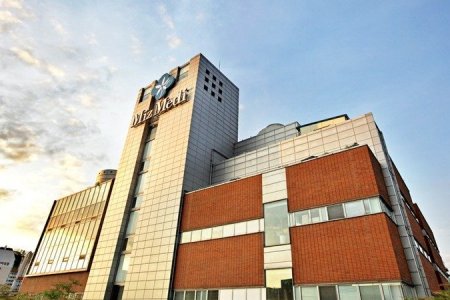
رؤية خبير Bookimed: في حين أن العديد من الأطباء يتحدثون الإنجليزية بطلاقة، فإن البعض يتحول إلى الإنجليزية فقط بعد تأكيد تفضيل المريض. في مراكز مثل مستشفى يونسي سارانغمو لأمراض النساء أو ميزميدي، يشير وجود أساتذة مساعدين إلى مستوى عالٍ من اللغة الإنجليزية الأكاديمية. يجب على المرضى الاعتماد على Bookimed لتأكيد أي طبيب محدد في العيادة سيقود استشارتهم باللغة الإنجليزية.
إجماع المرضى: وجد المرضى أنه على الرغم من أن الموظفين قد يستخدمون لغة إنجليزية أساسية، إلا أن المتخصصين غالبًا ما يوصلون البروتوكولات بوضوح. وأشاروا إلى أن المنسقين هم المنقذون للتنقل في خطوات التلقيح الصناعي المعقدة دون الحاجة إلى مترجم خارجي.