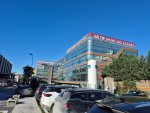
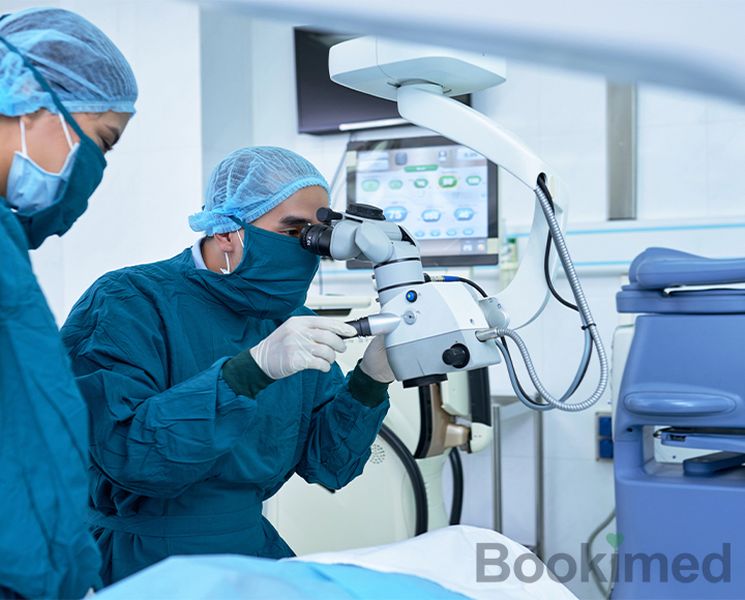
تستضيف تركيا العديد من مراكز العيون الرائدة الحاصلة على اعتماد اللجنة الدولية المشتركة (JCI)، مما يضمن معايير السلامة العالمية لجراحة المياه البيضاء. تشمل المرافق الرائدة مستشفى دونياجوز للعيون، ومستشفى ميموريال شيشلي، ومستشفى هيسار إنتركونتيننتال، المعروفة بتقنيات تفتيت العدسة بالموجات فوق الصوتية المتقدمة والتقنيات المساعدة بليزر الفيمتو ثانية.
- مستشفى ميموريال شيشلي: أول مرفق معتمد من JCI في تركيا يستخدم تقنية تفتيت العدسة بدون خياطة تحت التخدير بالقطرات.
- مستشفى دونياجوز للعيون: شبكة متخصصة ومعتمدة من JCI تجري آلاف عمليات المياه البيضاء شهرياً.
- مستشفى هيسار إنتركونتيننتال: مركز معتمد من JCI يضم جراحين لديهم أكثر من 16,000 إجراء عيون ناجح.
- لقمان حكيم إسطنبول: مستشفى معتمد من JCI يقدم باقات شاملة مع جراحي مياه بيضاء متخصصين.
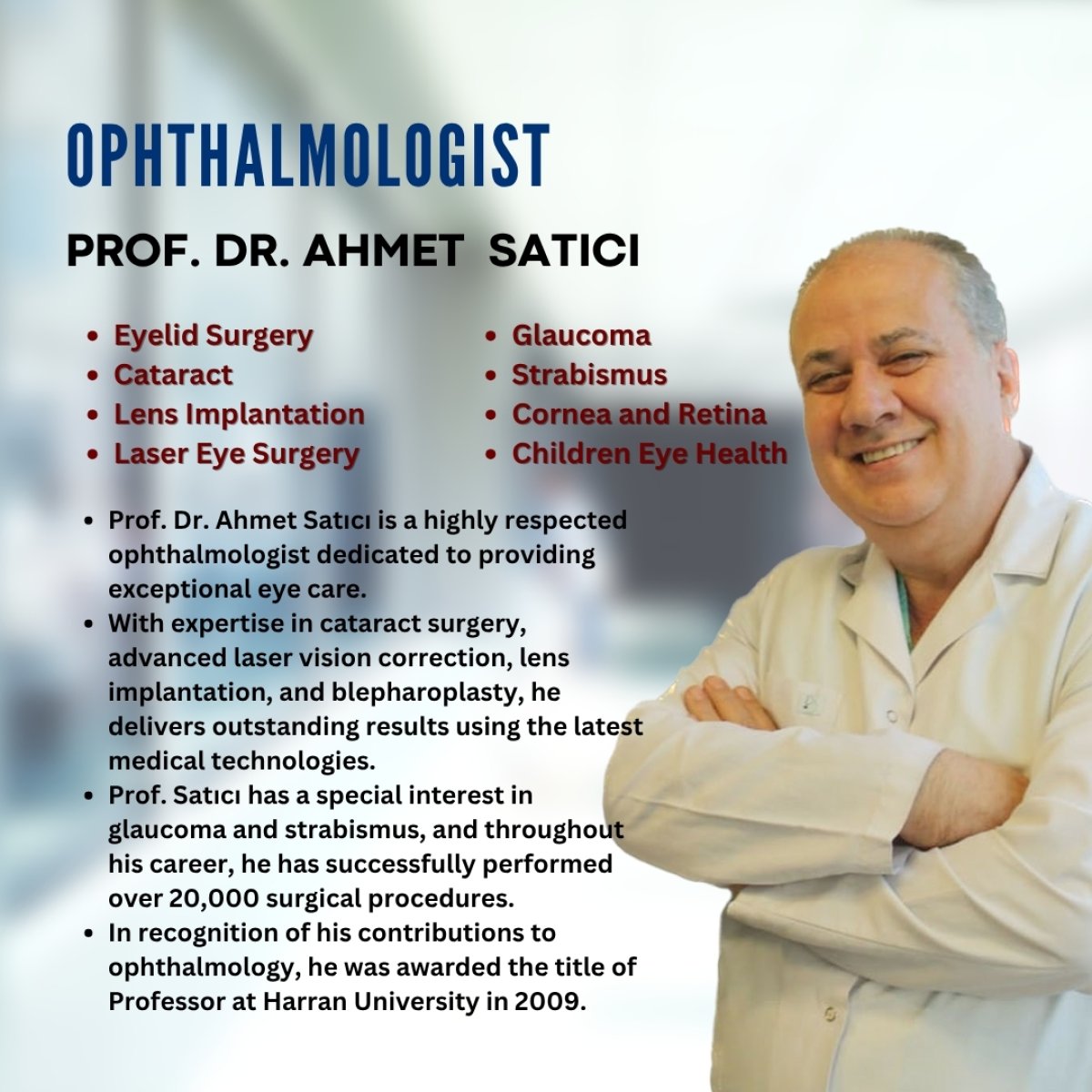
رؤية خبير Bookimed: بينما تحمل العديد من المستشفيات العامة اعتماد JCI، تظهر بيانات المرضى أن الشبكات المتخصصة مثل Veni Vidi أو Dünyagöz غالباً ما توفر حجماً جراحياً أكبر. أجرى الدكتور أحمد ساتيجي والدكتور إرتان سوناي بشكل جماعي أكثر من 80,000 إجراء. عادةً ما يقدم الجراحون ذوو الحجم الكبير نتائج أكثر قابلية للتنبؤ مع زراعة العدسات متعددة البؤر أو ثلاثية البؤر.
إجماع المرضى: يوصي المرضى بشكل متكرر بالتركيز على الحجم السنوي للجراح الذي يتجاوز 1,000 حالة بدلاً من مجرد العلامة التجارية للمستشفى. يبلغ معظمهم عن تحسن في الرؤية في غضون 48 ساعة ويقدرون إدراج تقنية ليزر الفيمتو ثانية الأحدث.



 جراحة إزالة الساد بالاستحلاب الصوتي مع عدسة أحادية البؤرة (عين واحدة) — خروج في نفس اليوم