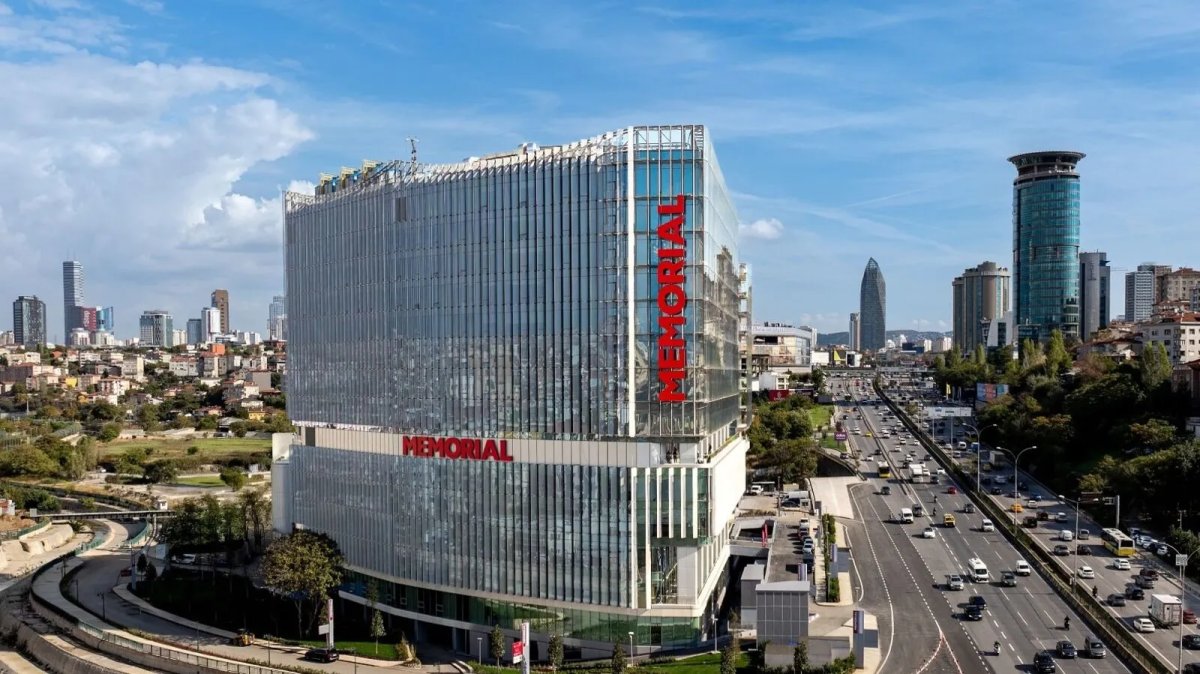
Memorial Göztepe Hospital
تركيا, إسطنبول


تمت مراجعة المقالة طبيا من قبل
فهد مولود
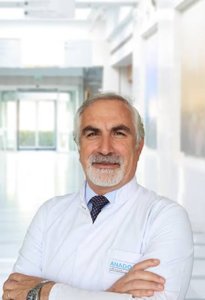
الدكتور زولفيكار بولات اختصاصي أمراض الجهاز الهضمي والطب الباطني. تدرّب في الأكاديمية الطبية العسكرية غولهانه في أنقرة، حيث أتمّ تخصّصه وترقّى إلى أستاذ مشارك. وهو أستاذ في جامعة إسطنبول آيدن. تشمل خبرته بعد التخرّج الأكاديمية الطبية العسكرية غولهانه وجامعة إسطنبول آيدن. كما عمل في مركز الأناضول الطبي التابع لطب جونز هوبكنز (الولايات المتحدة).
يركّز عمله السريري على أمراض الجهاز الهضمي، وأمراض الكبد والبنكرياس، وأمراض الأمعاء الالتهابية، وإجراءات التنظير التشخيصية والتداخلية. تشمل عضوي
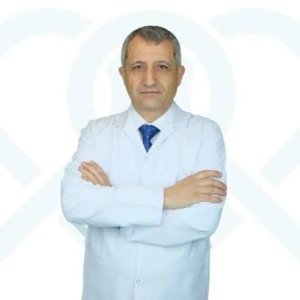
الأستاذ الدكتور إبراهيم دوغان اختصاصي أمراض الجهاز الهضمي. حصل على شهادة الطب (MD) من كلية الطب بجامعة أنقرة عام 1991. أصبح اختصاصيًا في الطب الباطني بجامعة غازي عام 1996، وأكمل تدريب التخصص الدقيق في أمراض الجهاز الهضمي بجامعة إنونو عام 2001.
كانت مسيرته الأكاديمية في جامعة غازي؛ شغل مناصب محاضر (2002)، وأستاذ مساعد (2003)، وأستاذ مشارك (2007)، وأستاذ (2012). عمل باحثًا في جامعة كاليفورنيا في سان دييغو بين عامي 2004 و2006. وهو يعمل في مستشفى كورو منذ يناير 2023.
تشمل مجالات ترك
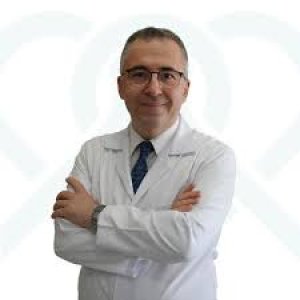
الأستاذ الدكتور موسى أيدنلي اختصاصي الطب الباطني وأمراض الجهاز الهضمي. حصل على شهادة الطب (MD) من جامعة Hacettepe عام 1997. أنهى تدريب اختصاص الطب الباطني عام 2003، وأمراض الجهاز الهضمي عام 2007 في المؤسسة نفسها. عمل في مستشفى قيصري التعليمي والبحثي بين عامي 2007 و2009، ثم في قسم أمراض الجهاز الهضمي بجامعة غازي عنتاب بين 2009 و2014. نال لقب أستاذ مشارك عام 2012، وأستاذ عام 2020. انضم إلى مستشفى غولهانه التعليمي والبحثي عام 2022، ويعمل حالياً في مستشفى كورو أنقرة الخاص.
مجالاته السريرية
 Anna Leonova
يعالج الأطباء الأتراك التهاب الكبد السام عن طريق إزالة العامل المسبب على الفور وتثبيت وظائف الكبد. تستخدم المرافق المعتمدة من قبل اللجنة الدولية المشتركة (JCI) تبادل البلازما العلاجي والتشخيص المتقدم لإدارة الإصابات الناجمة عن المواد الكيميائية. يراقب أخصائيو الكبد تجدد الكبد أو يجرون عمليات زرع طارئة في حالة حدوث فشل كبدي حاد.
رؤية خبير بوكيميد (Bookimed): يعتمد النجاح في علاج التهاب الكبد السام على دقة التشخيص السريع. يقدم الدكتور ذو الفقار بولات في مركز الأناضول الطبي خبرة دولية كعضو في الجمعية الأمريكية لدراسة أمراض الكبد. يضمن انتماؤه إلى مؤسسة جونز هوبكنز الطبية حصول المرضى على بروتوكولات تعتمد على أحدث الأبحاث العالمية في مجال أمراض الكبد.
توفر تركيا رعاية كبد متخصصة داخل مراكز طبية متعددة التخصصات ومرافق معتمدة من اللجنة الدولية المشتركة (JCI). تعالج أقسام الجهاز الهضمي والكبد المتخصصة التهاب الكبد السمي باستخدام التصوير المتقدم. توفر المراكز الكبرى مثل مستشفى ليف أولوس (Liv Hospital Ulus) ومركز الأناضول الطبي (Anadolu Medical Center) مراقبة العناية المركزة وخدمات زراعة الأعضاء اللازمة للحالات الشديدة.
رؤية خبير بوكيميد: تشير بياناتنا إلى إعطاء الأولوية للمستشفيات التي لديها برامج زراعة نشطة حتى في حالات التسمم غير الجراحية. تحافظ مراكز مثل مستشفى ليف أولوس، الذي يجري 13,200 عملية سنوياً، على قدرات عناية مركزة عالية المستوى. وهذا يضمن التدخل الفوري إذا تطورت الإصابة الناتجة عن الأدوية بسرعة نحو فشل الكبد.
إجماع المرضى: يشير المرضى إلى أن الحضور بقائمة أدوية كاملة يساعد الفرق على تحديد السموم بشكل أسرع. يؤكد الكثيرون على اختيار مستشفيات تعليمية كبيرة بدلاً من العيادات الخاصة الصغيرة لضمان توفر الأخصائيين عل
تُبلغ المراكز التركية عن معدل بقاء على قيد الحياة لمدة عام واحد يتجاوز 90% لعلاج فشل الكبد. وتتراوح النتائج طويلة المدى لمرضى زراعة الأعضاء من 75% إلى 85% على مدى خمس سنوات. تحتفظ مرافق متخصصة مثل مستشفى ليف أولوس (Liv Hospital Ulus) باعتماد اللجنة الدولية المشتركة (JCI) لإجراءات زراعة الأعضاء المعقدة.
رؤية خبير بوكيميد: تُجري المراكز ذات الكثافة العالية مثل مستشفى ليف أولوس أكثر من 13,200 عملية سنوياً. يرتبط هذا الحجم بالكفاءة التقنية في الإجراءات المعقدة. يجب على المرضى البحث عن متخصصين مثل البروفيسور الدكتور ذو الفقار بولات، المرتبط بمؤسسة جونز هوبكنز للطب. يعد الحجم المؤسسي المرتفع والانتماءات الأكاديمية الدولية أقوى مؤشرات نجاح الإجراء.
إجماع المرضى: يؤكد المرضى أن إيقاف السموم بسرعة هو العامل الأكثر أهمية للتعافي. ينصح الكثيرون بالتركيز على قدرة المستشفى على إدارة رعاية العناية المركزة الطارئة وتقييمات زراعة الأعضاء فوراً.
تتراوح مدة الإقامة لعلاج التهاب الكبد السمي في تركيا عادةً من 3 إلى 14 يومًا. يعتمد الجدول الزمني على استقرار إنزيمات الكبد وشدة الإصابة الناتجة عن المواد الكيميائية أو الأدوية. تعطي مراكز أمراض الجهاز الهضمي التركية الأولوية لاستقرار وظائف الكبد وتأكيد إزالة المحفزات السامة قبل الخروج من المستشفى.
رؤية خبير Bookimed: في حين أن العديد من الإقامات الطبية في تركيا لها مدة محددة، فإن تعافي الكبد لا يمكن التنبؤ به. يؤكد البروفيسور الدكتور ذو الفقار بولات في مركز الأناضول الطبي (Anadolu Medical Center) أن رحلات العودة يجب ألا يتم تأكيدها إلا بعد أن تظهر اختبارات وظائف الكبد اتجاهًا تنازليًا. تظهر البيانات أن قضاء يوم أو يومين إضافيين لإجراء تحاليل الدم قبل الرحلة يقلل بشكل كبير من المخاطر أثناء السفر لمسافات طويلة.
إجماع المرضى: يلاحظ المرضى أن الإقامة في المستشفى تحكمها نتائج المختبر وليس جداول العيادات الثابتة. ويؤكدون على الانتظار حتى يزول اليرقان والغثيان تمامًا قبل محاولة العودة إلى المنزل.