علاج الاكتئاب في تركيا: 21 مستشفيات


تمت مراجعة المقالة طبيا من قبل
فهد مولود
كيف نعمل؟
ما هي تكلفة الاكتئاب إجراءات التشخيص والعلاج في تركيا؟ اعرف الآن
تختلف تكلفة علاج الاكتئاب في تركيا بناءً على خطة العلاج. يتراوح العلاج الشامل، الذي يشمل العلاج النفسي، العلاج بالفن، العلاج الدوائي، والاختبارات العصبية، من $14,000 إلى $15,000. يمكن أن تصل حزم العلاج التي تشمل الإقامة في المستشفى، التصوير بالرنين المغناطيسي للجمجمة، QEEG، والعلاجات المختلفة إلى $45,000. يتوفر التحفيز العميق للدماغ (DBS) مقابل $20,000 ويشمل الاختبارات السابقة للجراحة، الجراحة، والرعاية بعد الجراحة. يتم تخصيص كل خطة علاجية وفقًا لاحتياجات المريض وقد تشمل علاجات إضافية واستشارات حسب الحاجة.
| تركيا | إسبانيا | ألمانيا | |
|---|---|---|---|
| العلاج النفسي | من $150 | من $350 | ≈ $130 |
اكتشف أفضل الاكتئاب العيادات في تركيا: 21 خيارات معتمدة والأسعار




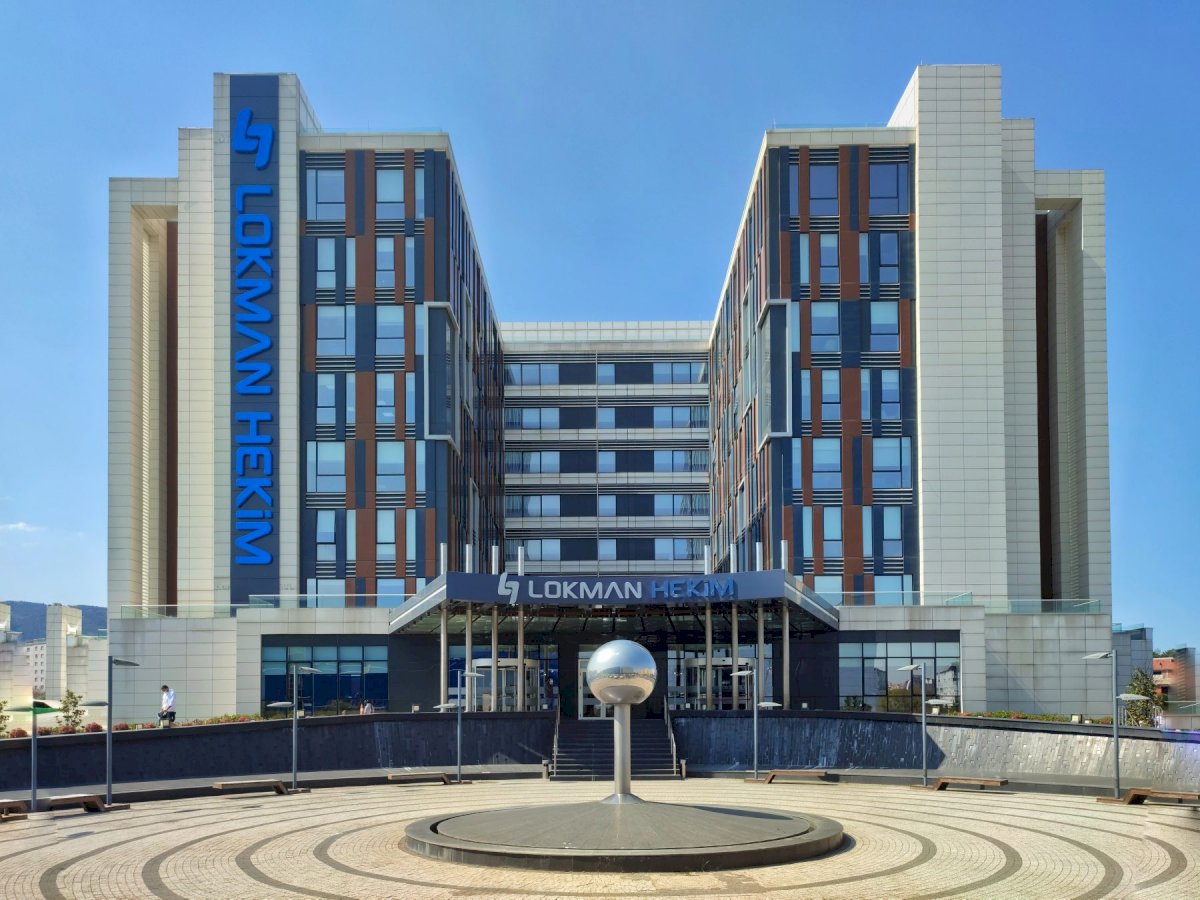



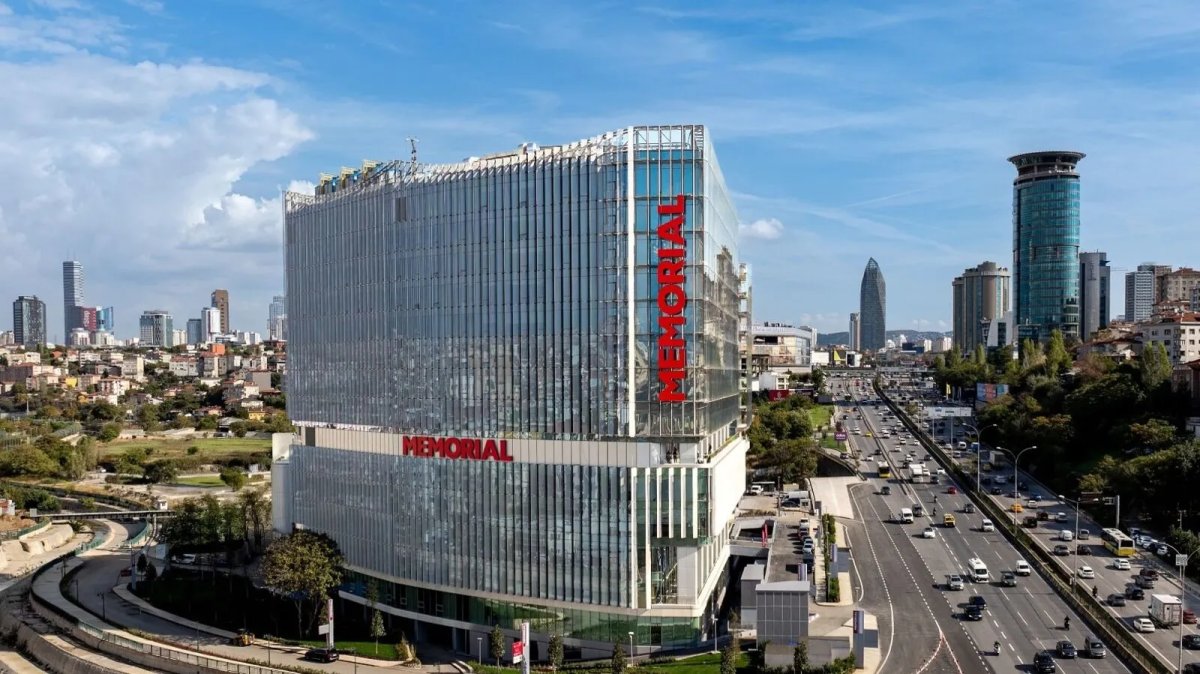
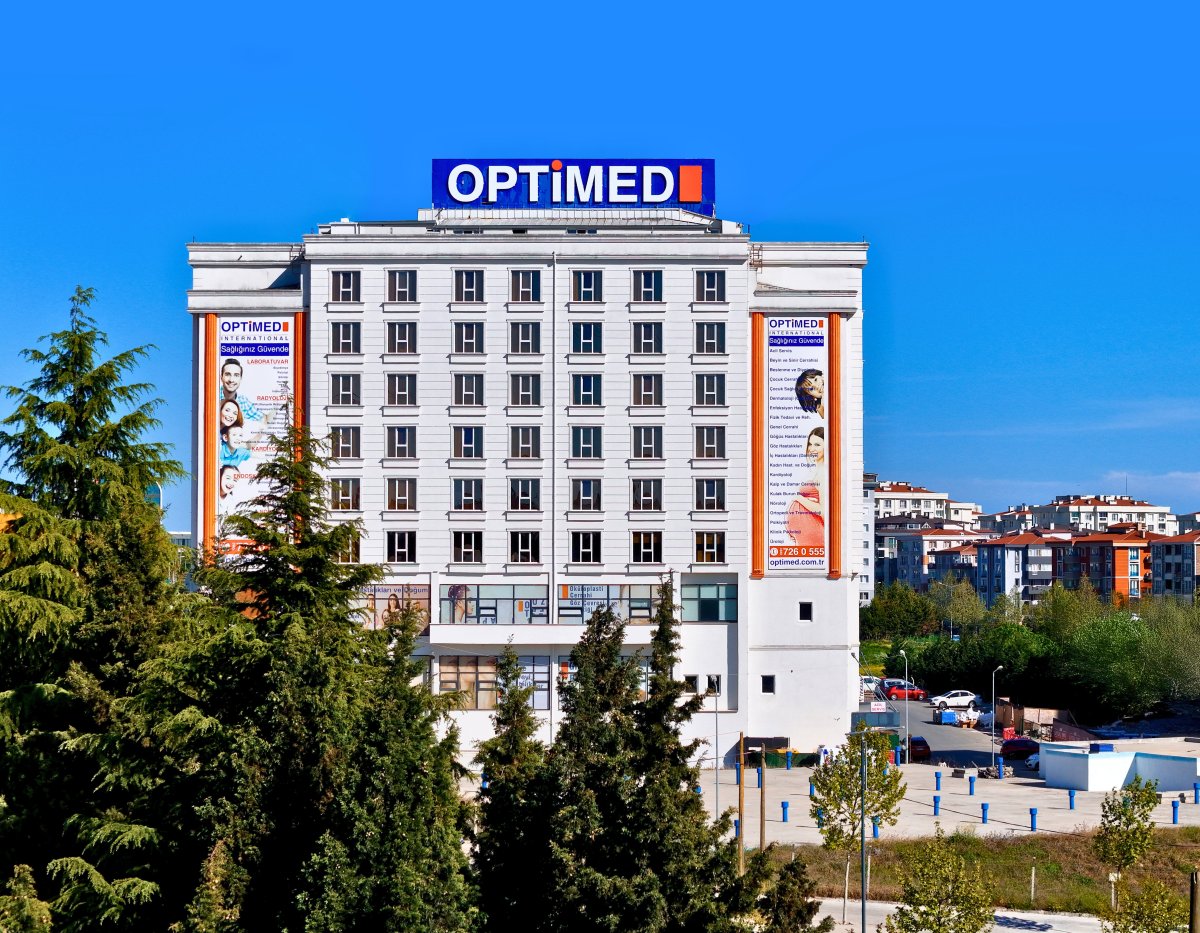
Memorial Göztepe Hospital


Memorial Ankara Hospital

احصل على تقييم طبي لـ في تركيا. استشر الآن 50 أطباء ذوي الخبرة.
عرض جميع الأطباء
Aysel Pasazade
الدكتورة أيسل باشازاده جرّاحة تجميل وترميم. تخرّجت في كلية طب جراح باشا بجامعة إسطنبول، وأتمّت تخصّصها في كلية الطب بجامعة أولوداغ في بورصة. تحمل شهادة EBOPRAS (المجلس الأوروبي لجراحة التجميل والترميم والجراحة التجميلية).
عملت في مستشفيات جامعية وعيادات خاصة. تحضر مؤتمرات دولية ودورات جراحية حيّة وتدريبات متقدمة، ما يبقي ممارستها مواكبة للمستجدات. تقدّم رعاية دقيقة وشخصية تركّز على سلامة المريض والوظيفة والنتائج الطبيعية.

Muhammet Mustafa Aydinol
الدكتور محمد مصطفى أيدينول هو جراح تجميل في عيادة Dr. MED في إسطنبول. وهو متخصص في عمليات "تجميل ما بعد الولادة" (mommy makeover)، ورفع المؤخرة البرازيلية (BBL)، وتكبير الثدي. الدكتور أيدينول عضو في الجمعية الدولية لجراحة التجميل (ISAPS). يستخدم تقنيات VASER وLipomatic لنحت الجسم بدقة. تساعد هذه الطرق في الحصول على مظهر بطن مشدود ورياضي.
- نشر أبحاثاً حول الجمع بين حقن الدهون والغرسات لتكبير الثدي.
- يجري إجراءات متخصصة بما في ذلك نحت البطن وشفط الدهون 360 درجة.
- عضو في

Pelin Tas Durmus
أكثر من 900 علاج تم إجراؤه – تتخصص الدكتورة بيلين تاس دورموش في الصحة العقلية في مستشفى مودست للطب النفسي والأعصاب.
- _doctor_6634_سنوات_ من الخبرة في الطب النفسي
- تقوم بتقييم مواد كل مريض شخصياً لوضع خطط علاج مخصصة
- متخصصة في الاكتئاب وحالات الصحة العقلية ذات الصلة

Ali Sadioglu Md
الدكتور علي صادق أوغلو هو جراح ماهر في الجراحة التجميلية والترميمية. تخرج من ثانوية أنقرة للعلوم وكلية الطب بجامعة أنقرة. حصل على المرتبة 59 من بين 10,000 في امتحان التخصص الطبي (TUS) وأكمل إقامته في جامعة غازي.
يحمل الدكتور صادق أوغلو شهادة في الجراحة المجهرية من جمعية الجراحة المجهرية الترميمية، مما يؤكد خبرته في التقنيات الجراحية المتقدمة. أجرى العديد من العمليات الجراحية المعقدة وقدم أبحاثاً، منها أطروحة حول التأثيرات طويلة الأمد لأبوتولينوم توكسين A على الجلد.
الدكتور صاد
المراجعات
جميع المراجعاتمشاركة المحتوى
قصص فيديو من مرضى Bookimed
 Anna Leonova
أسئلة متكررة حول علاج الاكتئاب في تركيا
هل تركيا وجهة موثوقة لعلاج الاكتئاب؟
تعد تركيا وجهة موثوقة لعلاج الاكتئاب. فهي تضم مستشفيات عصبية نفسية متخصصة حاصلة على اعتماد اللجنة الدولية المشتركة (JCI). تستخدم مرافق مثل مستشفى NP Istanbul Brain Hospital تشخيصات متقدمة مثل تخطيط الدماغ الكمي (QEEG). غالبًا ما يتمتع الأطباء النفسيون ذوو الخبرة بأكثر من 25 عامًا من الممارسة في اضطرابات المزاج.
- مرافق متخصصة: مستشفى NP Istanbul Brain Hospital هو ثاني مستشفى متخصص في الدماغ في أوروبا.
- تشخيصات متقدمة: تستخدم العيادات تخطيط الدماغ الكمي (QEEG) والرنين المغناطيسي للرأس لإنشاء خطط علاج دقيقة.
- قيادة الخبراء: يقود البروفيسور الدكتور نيفزات تارهان والبروفيسور الدكتور حسني إركمن الرعاية النفسية.
- النطاق العلاجي: تقدم المراكز العلاج السلوكي المعرفي (CBT)، وتقنية EMDR، والعلاج التحليلي النفسي.
رؤية خبير Bookimed: ميزة رئيسية في تركيا هي توفر الرعاية النفسية المكثفة للمرضى الداخليين. يقدم مستشفى NP Istanbul Brain Hospital باقات إقامة لمدة 30 يومًا. هذه الرقابة السريرية طويلة الأمد نادرة في السياحة العلاجية القياسية. فهي تسمح لأكثر من 110 أطباء بمراقبة الحالات المقاومة للعلاج يوميًا. تساعد هذه البيئات المنظمة في استقرار المرضى قبل عودتهم إلى ديارهم.
إجماع المرضى: يشير المرضى إلى أن حواجز اللغة قد تكون موجودة في بعض المرافق. ويقترحون إعطاء الأولوية للعيادات المعتمدة من JCI وترتيب متابعات عبر الطب الاتصالي لضمان النجاح على المدى الطويل.
ما هي العلاجات المتخصصة المتاحة في العيادات التركية؟
تقدم العيادات التركية بروتوكولات متخصصة للمرضى الداخليين والخارجيين لإدارة الاكتئاب المقاوم للعلاج واضطرابات المزاج. تستخدم مرافق مثل مستشفى NP Istanbul Brain لقياس وظائف المخ والتحفيز العصبي لتخصيص الرعاية. توفر معظم المراكز المعتمدة فرقاً متعددة التخصصات تضم أطباء نفسيين وعلماء نفس سريريين.
- التشخيص المتقدم: تستخدم العيادات تخطيط كهربية الدماغ الكمي (QEEG) والتصوير بالرنين المغناطيسي لرسم خرائط لأنماط نشاط الدماغ.
- علاج التحفيز العصبي: التحفيز المغناطيسي عبر الجمجمة (TMS) متاح على نطاق واسع للحالات المقاومة للأدوية.
- المؤهلات المتخصصة: أطباء مثل البروفيسور الدكتور نيفزات تارهان متخصصون في علم الأدوية النفسية والأمراض المرتبطة بالتوتر.
- برامج المرضى الداخليين: غالباً ما تتضمن الباقات المكثفة لمدة 30 يوماً العلاج النفسي، والإقامة في المستشفى، وفحوصات تشخيصية كاملة.
رؤية خبير Bookimed: تظهر البيانات أن مستشفى NP Istanbul Brain يعمل كمركز عصبي نفسي أوروبي رائد يضم 19 قسماً متخصصاً. يقدمون باقات متكاملة بحوالي 55,000 دولار تجمع بين التشخيصات عالية التقنية مثل QEEG مع إقامة في المستشفى لمدة 30 يوماً. هذا النهج أكثر شمولاً من الرعاية الخارجية القياسية لأنه يسمح بالمراقبة على مدار الساعة طوال أيام الأسبوع والتعديل السريع للأدوية.
إجماع المرضى: أفاد المرضى أن تقنيات مثل TMS يمكن أن تزيل ضبابية الدماغ في غضون أسبوعين. يؤكد الكثيرون على أهمية الحصول على موافقة طبيب نفسي في بلدهم الأصلي لضمان استمرارية الرعاية بعد العودة من إس
هل سأواجه حاجزاً لغوياً أثناء علاجي؟
الحواجز اللغوية ضئيلة في مراكز الطب النفسي العصبي التركية الخاصة. توظف معظم المرافق المعتمدة من قبل اللجنة الدولية المشتركة (JCI) في إسطنبول أطباء نفسيين ومعالجين يتحدثون الإنجليزية. تخدم هذه المستشفيات بشكل متكرر مرضى دوليين من أكثر من 160 دولة. وهي توفر خدمات ترجمة مخصصة لضمان تواصل واضح أثناء التقييمات النفسية المعقدة.
- طلاقة المتخصصين: غالباً ما يتمتع أساتذة مثل الدكتور حسني إركمن بخلفيات بحثية دولية.
- خدمات الترجمة: توفر المستشفيات الكبرى مترجمين فوريين محترفين للفحوصات العاطفية والاستشارات.
- معايير الاعتماد: تحافظ العيادات المعتمدة من JCI على بروتوكولات أمان تواصل عالية للمرضى العالميين.
- طاقم عمل متعدد اللغات: يقدم بعض المتخصصين، بما في ذلك الدكتور إلفين جولييف، استشارات رسمية باللغة الروسية.
رؤية خبير Bookimed: تُظهر بيانات مستشفى NP إسطنبول للدماغ قدرة عالية على الرعاية الدولية بـ 150 سريراً و20 قسماً. في حين أن كبار الأطباء النفسيين غالباً ما يتحدثون الإنجليزية بطلاقة، قد يعتمد طاقم التمريض في المجمعات الكبيرة مثل ميديبول ميجا على أدوات الترجمة الرقمية للرعاية الروتينية. اختيار مستشفى متخصص في الطب النفسي العصبي بدلاً من مركز طبي عام يضمن عادةً وصولاً أفضل إلى الموظفين المدربين على مصطلحات الصحة العقلية الحساسة.
إجماع المرضى: يشير المرضى إلى أنه على الرغم من أن الأطباء في أفضل عيادات إسطنبول يتحدثون الإنجليزية بشكل مثالي، فإن وجود مترجم تحت الطلب مفيد للتفاعلات مع طاقم الجناح. ويؤكدون أن التحقق من ملفات تعر
هل الخصوصية وإخفاء الهوية مضمونان؟
تتم حماية الخصوصية وإخفاء الهوية لعلاج الاكتئاب في تركيا من خلال بروتوكولات سريرية صارمة ومعايير جودة دولية. على الرغم من أن مراكز مثل مستشفى NP Istanbul Brain تستخدم تشفيرًا متقدمًا، إلا أن إخفاء الهوية المطلق يمثل تحديًا بسبب متطلبات الإبلاغ الصحي الوطنية. غالبًا ما يختار المرضى المرافق الخاصة للحد من مشاركة البيانات.
- معايير الجودة: تتبع المرافق المعتمدة من قبل JCI بروتوكولات دولية صارمة لحماية بيانات المرضى وسلامتهم.
- رعاية متخصصة: يستخدم مستشفى NP Istanbul Brain طبًا يركز على التفكير وقياسات وظائف الدماغ.
- إشراف الخبراء: يقود البروفيسور الدكتور نيفزات تارهان والبروفيسور الدكتور حسنو إركمن الرعاية النفسية.
- حجم المرفق: تخدم المراكز الكبيرة مثل Medipol Mega مليون مريض سنويًا بأنظمة آلية.
رؤية خبير Bookimed: تظهر البيانات ميزة واضحة للخصوصية في المراكز العصبية النفسية المتخصصة مقارنة بالمستشفيات العامة. على سبيل المثال، مستشفى NP Istanbul Brain هو أول مرفق عصبي نفسي خاص في تركيا. تم تدريب موظفيهم بشكل خاص على السرية النفسية. غالبًا ما يوفر اختيار حزمة الإقامة الداخلية، والتي يمكن أن تكلف حوالي 55,000 دولار لمدة 30 يومًا، بيئة أكثر تحكمًا للتعافي الحساس.
إجماع المرضى: يشير المرضى إلى أن الدفع نقدًا وتجنب التأمين يمكن أن يساعد في تقليل آثار البيانات. ومع ذلك، يحذرون من أن الثقافة المحلية يمكن أن تؤدي إلى مشاركة غير رسمية للمعلومات إذا لم تكن حذرًا.
ما الذي يجب أن أبحث عنه في عيادة الصحة النفسية التركية؟
اختر العيادات التركية الحاصلة على اعتماد اللجنة الدولية المشتركة (JCI) والتي تضم أقسامًا متخصصة في الطب النفسي العصبي. أعط الأولوية للمرافق التي تقدم فرقًا متعددة التخصصات تشمل أطباء نفسيين وعلماء نفس سريريين. تشمل الميزات الأساسية التشخيصات المتقدمة مثل تخطيط الدماغ بالـ QEEG وبروتوكولات العلاج النفسي المخصصة من قبل متخصصين مدربين دوليًا في إسطنبول أو أنطاليا.
- الاعتماد الطبي: ابحث عن شهادات اللجنة الدولية المشتركة (JCI) أو ISO 9001.
- التشخيصات المتخصصة: تستخدم أفضل المراكز تخطيط كهربية الدماغ الكمي (QEEG) لقياس وظائف الدماغ الأساسية.
- خبرة الطبيب: ابحث عن أساتذة مثل الدكتور نيفزات تارهان الذي يتمتع بخبرة تزيد عن 45 عامًا.
- عمق الرعاية: تجمع البرامج عالية الجودة بين إدارة الأدوية والعلاج السلوكي المعرفي (CBT) القائم على الأدلة.
رؤية خبير Bookimed: تُظهر البيانات ميزة كبيرة في اختيار مستشفيات الطب النفسي العصبي المخصصة بدلاً من المرافق العامة. على سبيل المثال، يعمل مستشفى NP إسطنبول للدماغ كثاني أكبر مستشفى للدماغ في أوروبا. تشمل باقاتهم المتخصصة للمرضى الداخليين بقيمة 55,000 دولار إقامة لمدة 30 يومًا مع تشخيصات بالرنين المغناطيسي وQEEG. نادرًا ما يتم تكرار هذا المستوى المتكامل من الرعاية المكثفة في أجنحة الطب النفسي بالمستشفيات العامة القياسية.
إجماع المرضى: يؤكد المرضى على ضرورة التحقق من إتقان الطبيب للغة الإنجليزية من خلال مكالمة فيديو قبل السفر. وغالبًا ما يلاحظون أن العيادات الخاصة في إسطنبول توفر جودة رعاية أف