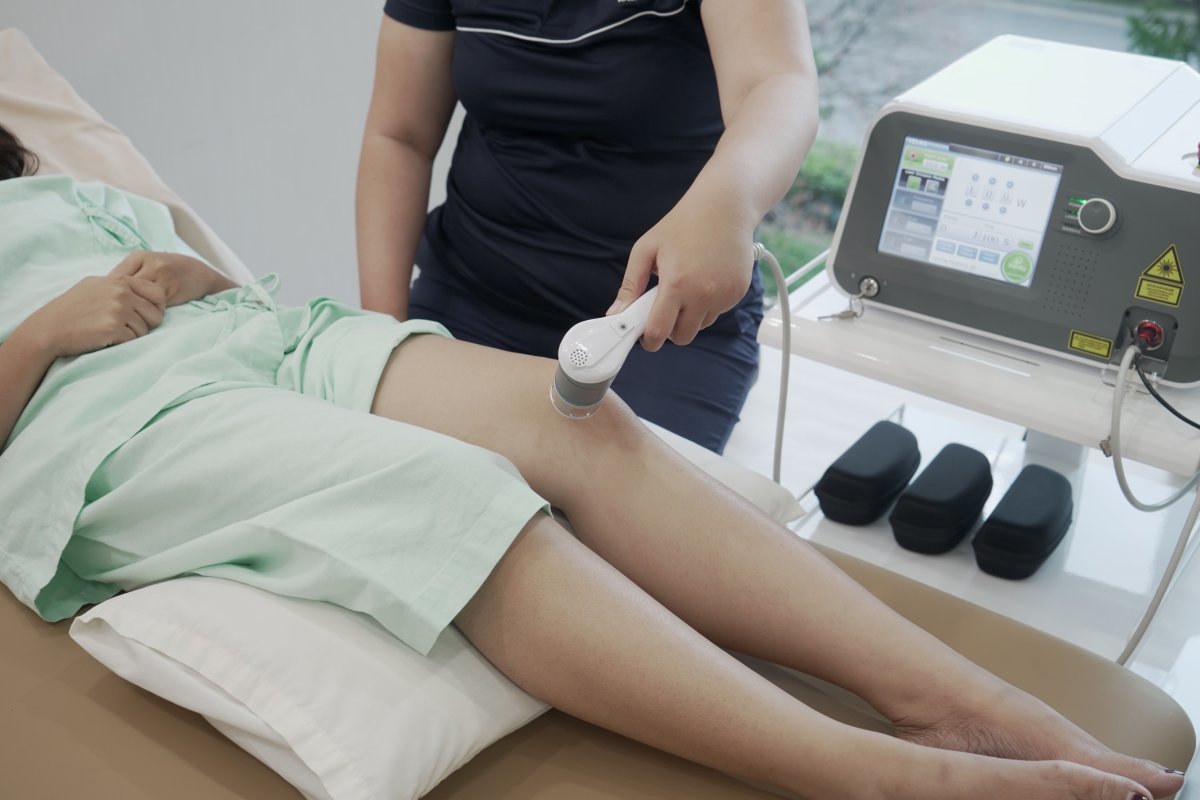
يمكن للأجانب ممارسة العلاج الطبيعي في تايلاند، لكن إجراءات الترخيص الصارمة تفرض عقبات كبيرة. يجب على المهنيين اجتياز اختبار وطني يُجرى حصرياً باللغة التايلاندية. هذا المطلب، إلى جانب الاعتماد الإلزامي من مجلس العلاج الطبيعي، يجعل الممارسة المستقلة نادرة وصعبة لغير التايلانديين.
- اختبار اللغة التايلاندية: يتطلب الترخيص اجتياز اختبارات مهنية تُدار فقط باللغة التايلاندية.
- الاعتماد الأكاديمي: يجب أن تكون الشهادات صادرة عن مؤسسات معتمدة صراحة من قبل مجلس العلاج الطبيعي.
- تصاريح العمل: يحتاج الأجانب إلى تأشيرة غير المهاجرين (Non-Immigrant B) وتصريح عمل رسمي.
- حصص العمالة: يجب على أصحاب العمل توظيف 4 مواطنين تايلانديين مقابل كل موظف أجنبي واحد.
رؤية خبير Bookimed: على الرغم من تقييد الممارسة السريرية، تستعين المراكز ذات الكثافة العالية مثل مستشفى بامرونجراد الدولي بمهنيين أجانب في أدوار استشارية. تُظهر البيانات أن هؤلاء المتخصصين يعملون غالباً كأطباء منسقين بدلاً من كونهم معالجين مستقلين. عادةً ما تحافظ العيادات من الدرجة الأولى على اعتماد JCI، مما يضمن المعايير الدولية حتى عندما تظل حواجز الترخيص المحلية مرتفعة بالنسبة للمغتربين.
إجماع المرضى: يسعى الكثيرون للحصول على الرعاية من معالجين تايلانديين مرخصين في مستشفيات معتمدة لضمان علاج قانوني ومؤمن عليه. أشار المرضى إلى أن التطبيق الصارم للقوانين بعد كوفيد جعل العثور على معالجين أجانب مستقلين أصعب بكثير مما كان عليه في السنوات السابقة.




 علاج مرض باركنسون بالخلايا الجذعية