ما الذي تتضمنه جراحة استبدال الركبة

تصميم بواسطة Freepik
جراحة استبدال الركبة (تقويم المفاصل) هي إجراء يتم فيه استبدال الأجزاء التالفة أو المتآكلة من مفصل الركبة بمكونات اصطناعية مصنوعة من معدن وبلاستيك متين. تُجرى هذه الجراحة في الغالب للأشخاص الذين يعانون من التهاب المفاصل الشديد، أو آلام الركبة المزمنة، أو التيبس الذي يجعل المشي أو الانحناء أو القيام بالأنشطة اليومية أمراً صعباً.
💡 تخيل ركبتك كأنها مفصلة باب — عندما تصدأ أو تتآكل، يصدر الباب صريراً ولا يفتح بسلاسة. في جراحة استبدال الركبة، يقوم الجراح بإزالة الأجزاء "الصدئة" وتركيب مفصلة جديدة ومثالية، مما يسمح للمفصل بالتحرك بحرية مرة أخرى دون ألم.
تتضمن العملية إزالة الغضاريف والعظام التالفة بعناية، ثم وضع غرسات دقيقة تعيد للمفصل شكله ووظيفته. الهدف هو تخفيف الألم، واستعادة الحركة، وتحسين جودة الحياة بشكل عام.
في تايلاند، تستخدم المستشفيات الرائدة التصوير ثلاثي الأبعاد والأنظمة المساعدة بالروبوت لتحديد موضع الغرسات بدقة مليمترية، مما يساعد المرضى على التعافي بشكل أسرع والمشي براحة أكبر.
✅ على مستوى العالم، يعاني أكثر من 95% من المرضى من تخفيف دائم للألم وتحسن في القدرة على الحركة في غضون ستة أشهر بعد الجراحة.
من المؤهل لجراحة تقويم المفاصل
يُنصح بإجراء تقويم المفاصل عندما تجعل الآلام المزمنة أو التيبس أو التورم الأنشطة اليومية صعبة، حتى بعد العلاجات التحفظية مثل العلاج الطبيعي أو الحقن أو الأدوية.
قد يُعتبر الشخص مرشحاً مناسباً لجراحة الركبة في تايلاند إذا كان:
-
يعاني من ألم مزمن في الركبة يتداخل مع المشي أو النوم أو أداء المهام الروتينية.
-
يعاني من حالات متقدمة من الفصال العظمي، أو التهاب المفاصل الروماتويدي، أو تلف المفصل بعد الإصابة.
-
لديه نتائج أشعة سينية أو رنين مغناطيسي تظهر تآكلاً شديداً في الغضروف، أو تشوهاً، أو احتكاك العظم بالعظم.
-
جرب طرقاً غير جراحية (مسكنات الألم، دعامات الركبة، أو العلاج الطبيعي) بنجاح محدود.
-
يواجه تقييداً في الحركة أو عدم استقرار في المفصل يؤثر على استقلاليته وجودة حياته.
-
يتمتع بصحة عامة جيدة تسمح له بالخضوع للتخدير وإعادة التأهيل.
💡 تستخدم العديد من المستشفيات تخطيط الركبة ثلاثي الأبعاد وتحليل الحركة لتخصيص اختيار الغرسة وتحسين دقة الجراحة.
الأنواع الرئيسية لاستبدال مفصل الركبة
يمكن إجراء العملية بعدة طرق، اعتماداً على مدى تأثر المفصل وأهداف المريض الحركية. الطرق الأساسية هي الاستبدال الكلي، والجزئي، والمساعد بالروبوت.
يتم استبدال أسطح المفصل التالفة بالكامل بغرسات معدنية وبلاستيكية طبية. يوصى بهذا عادةً في حالات التهاب المفاصل الشديد أو الإصابات التي تؤثر على معظم أجزاء المفصل.
يستخدم غرسات مخصصة وتخطيطاً رقمياً ثلاثي الأبعاد لمحاذاة دقيقة وحركة طبيعية. غالباً ما يتم اختياره للمرضى الذين يبحثون عن متانة طويلة الأمد للغرسة وحركة أكثر سلاسة.
يتم استبدال الجزء المتآكل فقط من الركبة، مع الحفاظ على العظام والأربطة السليمة. عادة ما يكون التعافي أسرع، وتشعر الركبة بأنها أكثر طبيعية بعد ذلك.
تسمح الأنظمة الروبوتية وأدوات الملاحة ثلاثية الأبعاد للجراحين بمحاذاة الغرسات بدقة عالية. الشقوق الأصغر تعني ألماً أقل، وفقدان دم أقل، وإعادة تأهيل أسرع.
تُجرى عندما تتآكل الغرسة السابقة أو ترتخي أو تسبب ألماً. هذا الإجراء أكثر تعقيداً ويتطلب تخطيطاً جراحياً متخصصاً.
هذه هي خيارات جراحة الركبة الأكثر شيوعاً المتاحة عالمياً:
| نوع الإجراء |
نطاق الجراحة |
التعافي النموذجي |
دواعي الاستعمال الشائعة |
| استبدال الركبة الكلي (TKR) |
المفصل بالكامل |
6–12 أسبوعاً |
التهاب المفاصل المتقدم أو التشوه |
| الاستبدال الجزئي (أحادي الحجرة) |
جانب واحد من المفصل |
4–8 أسابيع |
تلف في مرحلة مبكرة أو موضعي |
| الاستبدال الكلي بنظام OMNI |
المفصل بالكامل (مخصص) |
6–10 أسابيع |
تخطيط الغرسة الشخصي |
لماذا تختار تايلاند لجراحة استبدال الركبة

تعد تايلاند واحدة من الوجهات الرائدة في آسيا لجراحة العظام واستبدال المفاصل، حيث تجذب آلاف السياح الطبيين كل عام. تجاوز سوق السياحة العلاجية في البلاد عدة مئات من ملايين الدولارات في عام 2024 ومن المتوقع أن يتوسع بثبات حتى عام 2030، مدفوعاً بالبنية التحتية المتقدمة للرعاية الصحية والدعم الحكومي القوي.
معايير طبية عالية
تمتلك تايلاند حوالي 60+ مستشفى معتمداً من اللجنة الدولية المشتركة (JCI) — وهو أكبر عدد في آسيا — مما يضمن معايير عالمية للسلامة والجودة.
جراحو عظام مهرة
تلقى العديد من المتخصصين التايلانديين في جراحة استبدال الركبة تدريبهم دولياً، مع زمالات في المملكة المتحدة والولايات المتحدة واليابان وأستراليا، وعضويات في جمعيات عالمية مثل الأكاديمية الأمريكية لجراحي العظام (AAOS) وجمعية آسيا والمحيط الهادئ لجراحة العظام (APOA).
تكنولوجيا متقدمة
تستخدم المستشفيات التي تقدم جراحة استبدال الركبة في بانكوك وفوكيت أحدث الابتكارات مثل الأنظمة المساعدة بالروبوت مثل MAKO وROSA، إلى جانب الملاحة الرقمية ثلاثية الأبعاد لمحاذاة الغرسات بدقة. يضمن تخطيط الغرسات المخصص مع علامات تجارية رائدة مثل Zimmer Biomet، وStryker، وOMNI ملاءمة طبيعية ودقة أكبر وتعافياً أسرع للمرضى.
رعاية ميسورة التكلفة
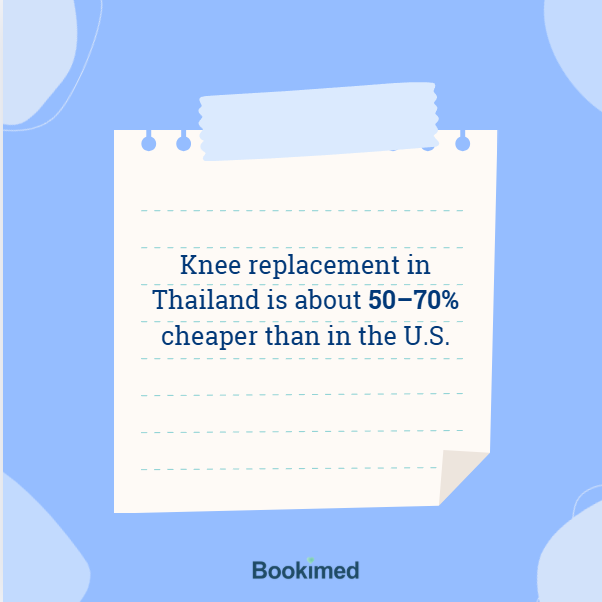
تتراوح تكلفة استبدال الركبة في تايلاند من 6,500 دولار إلى 15,000 دولار — أي أقل بنحو 50–70% مما هي عليه في الولايات المتحدة، حيث غالباً ما تتراوح تكلفة إجراءات مماثلة بين 30,000 و70,000 دولار. يمكن للمرضى التوفير حتى بعد احتساب تكاليف الرحلات الجوية والإقامة في الفنادق.
تعافٍ مريح
توفر المستشفيات الخاصة أجنحة تعافٍ تشبه الفنادق، وخدمات العلاج الطبيعي، ودعماً للمرضى الدوليين. يتعافى المرضى بالقرب من شاطئ البحر في فوكيت أو هوا هين، مما يجمع بين العلاج والراحة.
💚 من خلال المستشفيات الشريكة لـ Bookimed، يمكن للمرضى طلب عروض أسعار موثقة لاستبدال الركبة، ومقارنة العروض، والحصول على خصومات حصرية على الباقات غير متاحة من خلال الحجز المباشر في العيادات.
داخل باقات جراحة الركبة في تايلاند: ما الذي تحصل عليه
تجعل الباقات الشاملة في تايلاند العلاج بسيطاً للمرضى الدوليين، حيث تجمع بين الجراحة ورعاية المستشفى والتنسيق في سعر واحد شفاف.
تقدم معظم المستشفيات خيارات شاملة، ولكن التغطية قد تختلف حسب المدينة ونوع الغرسة ومستوى التكنولوجيا.
💚 من خلال المستشفيات الشريكة لـ Bookimed، يحصل المرضى على باقات موثقة بأسعار حصرية وعروض خاصة، غالباً ما تتضمن خدمات أكثر من الحجوزات المباشرة.
| عادة ما تكون مشمولة |
تأكد بشكل منفصل |
| الفحوصات قبل الجراحة (تحاليل الدم، تخطيط القلب، الأشعة السينية، رنين مغناطيسي للركبة). |
تشخيصات إضافية مثل الأشعة المقطعية أو اختبارات الإجهاد. |
| استشارة العظام والتخطيط الجراحي. |
اسم الجراح ومؤهلاته. |
| جراحة استبدال الركبة مع الغرسة. |
العلامة التجارية للغرسة (Zimmer Biomet, Stryker, OMNI). |
| التخدير العام أو النصفي. |
استخدام الأنظمة الروبوتية (MAKO, OMNIBotics). |
| إقامة في المستشفى لمدة 2–5 ليالٍ مع الوجبات والتمريض. |
تكلفة الإقامات الأطول أو غرفة المرافق. |
| التحكم الأولي في الألم وبدء العلاج الطبيعي. |
برنامج إعادة التأهيل الكامل بعد الخروج. |
| زيارة المتابعة قبل السفر للعودة. |
المتابعة عبر الإنترنت أو طويلة الأمد. |
| منسق يتحدث الإنجليزية. |
لغات أخرى (متاحة عبر Bookimed). |
| انتقالات المطار–العيادة. |
مدة الإقامة في الفندق والترقيات. |
| تأمين أساسي ضد المضاعفات. |
ما إذا كان هناك حاجة لتأمين سفر إضافي. |
💚 يضمن الحجز عبر Bookimed أسعاراً شفافة، وعيادات موثقة، ودعماً شخصياً — غالباً بأسعار أقل من الحجز المباشر.
خطوة بخطوة: استبدال الركبة في تايلاند
تُجرى جراحة استبدال الركبة في تايلاند وفقاً لمعايير السلامة الدولية، وتستغرق عادةً من 1–2 ساعة لكل ركبة. يتم الإجراء تحت التخدير العام أو النصفي، يليه إقامة في المستشفى لمدة 3–5 أيام للتعافي والعلاج الطبيعي.
الخطوة ماذا يحدث
1. التحضير فحوصات ما قبل الجراحة، التخدير، والتعقيم. مراقبة العلامات الحيوية طوال الوقت.
2. الشق الجراحي شق أمامي بطول 10–15 سم يتيح الوصول إلى مفصل الركبة مع الحفاظ على العضلات.
3. إزالة التلف يقوم الجراح بإزالة العظام والغضاريف المتآكلة باستخدام أدوات موجهة بالكمبيوتر.
4. وضع الغرسة يتم تثبيت المفصل الاصطناعي المصنوع من المعدن والبلاستيك الطبي في مكانه. تستخدم بعض المستشفيات أنظمة روبوتية (MAKO, OMNIBotics) للدقة.
5. الإغلاق والتعافي يتم إغلاق الشق ووضع ضمادة معقمة. تبدأ الحركة اللطيفة في غضون 24 ساعة تحت إشراف أخصائي العلاج الطبيعي.
✅ تساعد الأساليب المتقدمة مثل التخطيط ثلاثي الأبعاد والأساليب طفيفة التوغل في تقليل فقدان الدم، وتقصير مدة الإقامة في المستشفى، وتسريع إعادة التأهيل بعد استبدال الركبة الكلي في تايلاند.
ماذا تتوقع أثناء التعافي من عملية الركبة
يبدأ معظم المرضى في المشي بدعم في غضون 24 ساعة ويمكنهم استئناف الأنشطة الخفيفة في غضون 4–6 أسابيع، اعتماداً على نوع الجراحة والصحة العامة.
| الإطار الزمني |
التقدم النموذجي |
| الأيام 1–2 |
تبدأ حركات الساق الخاضعة للرقابة تحت الإشراف. يتم التحكم في الألم والتورم بالأدوية. |
| الأيام 3–5 |
الخروج من المستشفى عند الاستقرار. تستمر جلسات التدريب على الحركة والعلاج الطبيعي. |
| الأسابيع 1–2 |
انخفاض ملحوظ في التيبس والتورم. عادة ما يستخدم المرضى أدوات مساعدة للمشي. |
| الأسابيع 4–6 |
يستعيد الكثيرون الحركة المستقلة ويستأنفون الأنشطة اليومية. يدعم العلاج الطبيعي المستمر التعافي. |
| الأشهر 3–6 |
تتم استعادة مرونة وقوة المفصل. تؤكد فحوصات التصوير أو الاستشارات عبر الإنترنت وضع الغرسة والشفاء. |
✅ غالباً ما تدمج المستشفيات التايلاندية وحدات العلاج الطبيعي داخل نفس المنشأة، مما يسمح بتعافٍ أكثر سلاسة قبل أن يسافر المرضى إلى ديارهم.
💚 من خلال العيادات الشريكة لـ Bookimed، يمكن للمرضى أيضاً ترتيب متابعات عبر الإنترنت وتنسيق إعادة التأهيل المستمر مع أطباء محليين في الخارج.
فهم السلامة والمضاعفات المحتملة
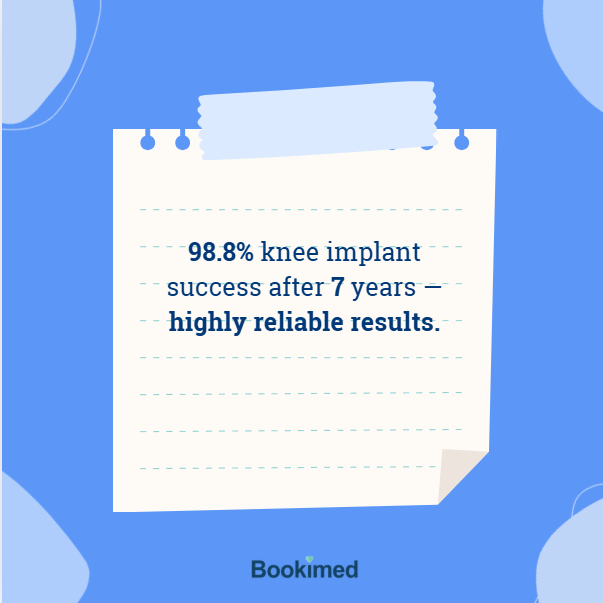
تعتبر جراحة استبدال الركبة في تايلاند آمنة بشكل عام وتُجرى وفقاً لمعايير دولية صارمة. أظهرت دراسة تايلاندية طويلة الأمد حول تقويم الركبة الكلي معدل بقاء للغرسة بنسبة 98.8% بعد أكثر من سبع سنوات، مما يؤكد موثوقية الإجراءات التي تُجرى في البلاد.
المخاطر المحتملة (غير شائعة ولكن تتم مراقبتها)
على الرغم من ندرة المضاعفات الخطيرة، فإن كل إجراء جراحي يحمل درجة معينة من المخاطر.
-
ألم مؤقت، أو تيبس، أو تورم أثناء التعافي.
-
العدوى أو تهيج الجرح، وهو أمر غير شائع في المستشفيات المعتمدة.
-
جلطات الدم، والتي يتم تقليلها من خلال الحركة المبكرة والرعاية الوقائية.
-
تآكل الغرسة أو ارتخاؤها بمرور الوقت، مما قد يتطلب مراجعة بعد 15–20 عاماً.
-
خدر خفيف أو حساسية حول موقع الشق.
💚 من خلال المستشفيات الشريكة لـ Bookimed، يتلقى المرضى معلومات شفافة حول مؤشرات السلامة، ومعدلات المضاعفات، وأداء الغرسة قبل الخضوع للإجراء.
كيفية اختيار عيادة تايلاندية موثوقة
يتضمن العثور على المستشفى المناسب لجراحة استبدال الركبة في تايلاند التحقق من المؤهلات الواضحة، وخبرة الجراح، ومعايير التكنولوجيا.
1. التحقق من الاعتماد
اختر المستشفيات المعتمدة من قبل اللجنة الدولية المشتركة (JCI) أو معهد اعتماد الرعاية الصحية في تايلاند (HAI). تؤكد هذه المنظمات أن العيادة تتبع معايير عالمية صارمة لسلامة الجراحة، ونظافة المرضى، وإدارة الرعاية.
2. التحقق من خلفية الجراح
يتم ترخيص جراحي العظام التايلانديين من قبل المجلس الطبي التايلاندي وقد أكملوا تدريباً متقدماً في الخارج — غالباً في المملكة المتحدة أو الولايات المتحدة أو اليابان أو أستراليا. العديد من المتخصصين أعضاء في:
تضمن هذه العضويات بقاء الجراحين على اطلاع بأحدث الأساليب في إعادة بناء المفاصل والإجراءات المساعدة بالروبوت.
3. تقييم التكنولوجيا والمرافق
تختلف المستشفيات في كيفية إجراء تقويم مفصل الركبة، لذا من المهم مراجعة تقنيات وموارد محددة بدلاً من الادعاءات العامة.
تعتمد بعض المراكز على الجراحة اليدوية التقليدية، بينما يقدم البعض الآخر خيارات مساعدة بالروبوت أو موجهة بالكمبيوتر تعزز الدقة لحالات المفاصل المعقدة.
يمكن للمرضى أيضاً السؤال عن نظام الغرسة والشركة المصنعة، حيث تختلف النماذج في المتانة والتصميم.
4. مراجعة تجارب المرضى الموثقة
يمكن العثور على مراجعات صادقة من أشخاص على Bookimed. تساعد التعليقات في مقارنة تواصل الموظفين، والرعاية بعد الجراحة، ووضوح الباقة.
💚 Bookimed تتعاون فقط مع المستشفيات التايلاندية الموثقة والمعتمدة، مما يمنح المرضى إمكانية الوصول إلى عروض شفافة، وبيئات آمنة، وخصومات حصرية.
معلومات عملية للمسافرين لأغراض طبية
شبكة السفر الطبي في تايلاند مستعدة جيداً لمرضى العظام الدوليين. تنسق المستشفيات في بانكوك، وفوكيت، وشيانغ ماي انتقالات المطار، ودعم اللغة، ورعاية المتابعة لضمان خطة علاج سلسة من الوصول إلى التعافي.
جوانب السفر العملية
| الجانب |
التفاصيل |
| التأشيرة |
يمكن لمواطني 93 دولة، بما في ذلك الاتحاد الأوروبي والمملكة المتحدة والولايات المتحدة وأستراليا وكندا، الدخول بدون تأشيرة لمدة تصل إلى 60 يوماً. تتوفر تمديدات للأغراض الطبية بمساعدة المستشفى. |
| النقل |
توفر المستشفيات الكبرى انتقالات المطار–الفندق–العيادة. في بانكوك، توفر سيارات أجرة Grab وقطار BTS Skytrain خيارات نقل مريحة. |
| اللغة |
يتوفر موظفون يتحدثون الإنجليزية في معظم المستشفيات الخاصة. يمكن ترتيب الترجمة بالروسية والعربية والصينية من خلال منسقي Bookimed الدوليين. |
| رعاية الطوارئ |
رقم الطوارئ الطبية: 1669. الخط الساخن لشرطة السياحة: 1155 (يتحدثون الإنجليزية). تدير المستشفيات الكبرى وحدات طوارئ تعمل على مدار الساعة طوال أيام الأسبوع للمرضى الدوليين. |
الأسئلة الشائعة
هل تايلاند آمنة بشكل عام للسياح الطبيين الأجانب؟
بالتأكيد. تايلاند هي واحدة من أكثر الدول زيارة في آسيا. وهي تحتل باستمرار مرتبة عالية في سلامة المسافرين. مدن مثل بانكوك وفوكيت وشيانغ ماي حديثة وآمنة ومستعدة جيداً للزوار الدوليين.
تمتلك المستشفيات موظفين يتحدثون الإنجليزية، وأقساماً دولية، وخدمات دعم على مدار الساعة طوال أيام الأسبوع للمرضى الأجانب. لأي طوارئ، اتصل بـ 1669 للمساعدة الطبية أو 1155 لشرطة السياحة (يتحدثون الإنجليزية).
كم من الوقت أحتاج للبقاء في تايلاند بعد الجراحة؟
يبقى معظم المرضى 7–10 أيام: حوالي 3–5 أيام في المستشفى وبضعة أيام أخرى في مكان قريب للفحوصات قبل السفر إلى الوطن. قد يُنصح بإقامات أطول للعلاج الطبيعي أو إذا تم علاج كلتا الركبتين.
هل يمكنني السفر بمفردي لجراحة استبدال الركبة؟
هذا ممكن، لكن العديد من المستشفيات تقترح إحضار مرافق للدعم أثناء التعافي المبكر. توفر بعض المستشفيات التايلاندية فنادق طبية أو أجنحة تعافٍ مساعدة، مصممة للمرضى الذين يسافرون بمفردهم.
متى يمكنني الطيران بعد الجراحة؟
عادة ما تكون الرحلات الجوية القصيرة إلى المتوسطة آمنة بعد 2–3 أسابيع من استبدال الركبة إذا كان الشفاء مستقراً وتم ارتداء جوارب ضاغطة. تأكد دائماً من جراح العظام قبل السفر.
هل يغطي التأمين العلاج في تايلاند؟
معظم خطط التأمين الصحي الوطنية أو الخاصة لا تغطي الجراحة الاختيارية في الخارج. ومع ذلك، يمكن للمرضى إضافة تأمين ضد المضاعفات مباشرة من خلال المستشفى، والذي يغطي مشكلات مثل العدوى أو إعادة الجراحة.
المراجع
- A novel knee implant for total knee arthroplasty meets expectations at 10 years. First long‐term follow‐up report of clinical outcomes and survivorship / A. Montagna et al. Knee Surgery, Sports Traumatology, Arthroscopy. 2025. URL: https://doi.org/10.1002/ksa.70037 (تاريخ الوصول: 06.11.2025).
- Thailand Medical Tourism Market Statistics & Report 2033. Market Research Company, Reports and Consulting Services | IMARC. URL: https://www.imarcgroup.com/thailand-medical-tourism-market (تاريخ الوصول: 06.11.2025).
- Physical Performance and Patient-Reported Outcomes Remain Stable at Five Years Following Total Knee Arthroplasty Running title: Physical performance 5 years after TKA / P. Ruangsomboon et al. Arthroscopy, Sports Medicine, and Rehabilitation. 2025. P. 101104. URL: https://doi.org/10.1016/j.asmr.2025.101104 (تاريخ الوصول: 06.11.2025).



 رأب مفصل الركبة أحادي الحجرة (كلا الجانبين) بزرعة Stryker — غرفة VIP ونقل