عملية جراحية لإنشاء تلميذ اصطناعي في تايلاند — احصل على 3 عيادات مطابقة مع التكاليف


تمت مراجعة المقالة طبيا من قبل
فهد مولود
ما هي تكلفة عملية جراحية لإنشاء تلميذ اصطناعي في تايلاند؟ اكتشف الآن
يتراوح متوسط تكلفة جراحة الحدقة الصناعية في تايلاند بين $1,100 / 37,400฿ و $2,400 / 81,600฿. تعتمد التكلفة الإجمالية على نوع الغرسة، ومستوى العيادة، ومدى تعقيد الجراحة. تشمل هذه الجراحة عادةً الجهاز التعويضي، وأتعاب الجراح، وتكاليف المستشفى في بانكوك.
- القزحية الصناعية المخصصة: تزيد التكلفة بنسبة 60-80% مقارنة بالغرسات التعويضية القياسية.
- مستوى المستشفى: ترتفع الأسعار في المرافق المعتمدة من JCI في بانكوك مقارنة بالمراكز الإقليمية.
- العمليات المركبة: تؤدي إضافة جراحة المياه البيضاء أو الجلوكوما إلى زيادة الفاتورة الجراحية الإجمالية.
- الجراحون المتخصصون: تختلف الأتعاب بناءً على الحصول على زمالات دولية من مؤسسات مثل جامعة إلينوي.
رأي خبراء Bookimed: يضمن اختيار متخصص خاضع لزمالة مزدوجة الحصول على نتائج دقيقة في عمليات إعادة البناء المعقدة. يطبق الأطباء في مستشفى إنتارارات ولايزر فيجن في مستشفى بانكوك للعيون تدريباتهم الدولية. يستفيد المرضى من أطباء عيون حاصلين على زمالات سريرية من الولايات المتحدة. تضاهي هذه الخبرة المعايير الغربية المتقدمة مع الحفاظ على مزايا التكلفة الكبيرة في تايلاند.
| تايلاند | تركيا | إسبانيا | |
|---|---|---|---|
| عملية جراحية لإنشاء تلميذ اصطناعي | ≈ $1,100 / 37,400฿ | من $6,000 / 204,000฿ | ≈ $1,500 / 51,000฿ |
مزاياك وضماناتك مع Bookimed
أسعار مباشرة
Bookimed لا يضيف رسوماً إضافية على أسعار عملية جراحية لإنشاء تلميذ اصطناعي. الأسعار مأخوذة من قوائم الأسعار الرسمية للعيادات. تدفع مباشرة في العيادة مقابل عملية جراحية لإنشاء تلميذ اصطناعي عند وصولك.
عيادات وأطباء معتمدون فقط
Bookimed ملتزم بسلامتك. نحن نعمل فقط مع المؤسسات الطبية التي تحافظ على معايير دولية عالية في عملية جراحية لإنشاء تلميذ اصطناعي ولديها التراخيص اللازمة لخدمة المرضى الدوليين في جميع أنحاء العالم.
مساعدة مجانية على مدار الساعة
Bookimed يقدم مساعدة خبراء مجانية. منسق طبي شخصي يدعمك قبل وأثناء وبعد العلاج، ويحل أي مشاكل. لن تكون وحيداً أبداً في رحلة عملية جراحية لإنشاء تلميذ اصطناعي.

منسقك الطبي الشخصي في Bookimed
- يدعمك في كل مرحلة
- المساعدة في اختيار العيادة الطبية المناسبة والطبيب المناسب
- يضمن الوصول السريع والمريح إلى المعلومات
اكتشف أفضل عملية جراحية لإنشاء تلميذ اصطناعي العيادات في تايلاند: 1 خيار معتمدة والأسعار
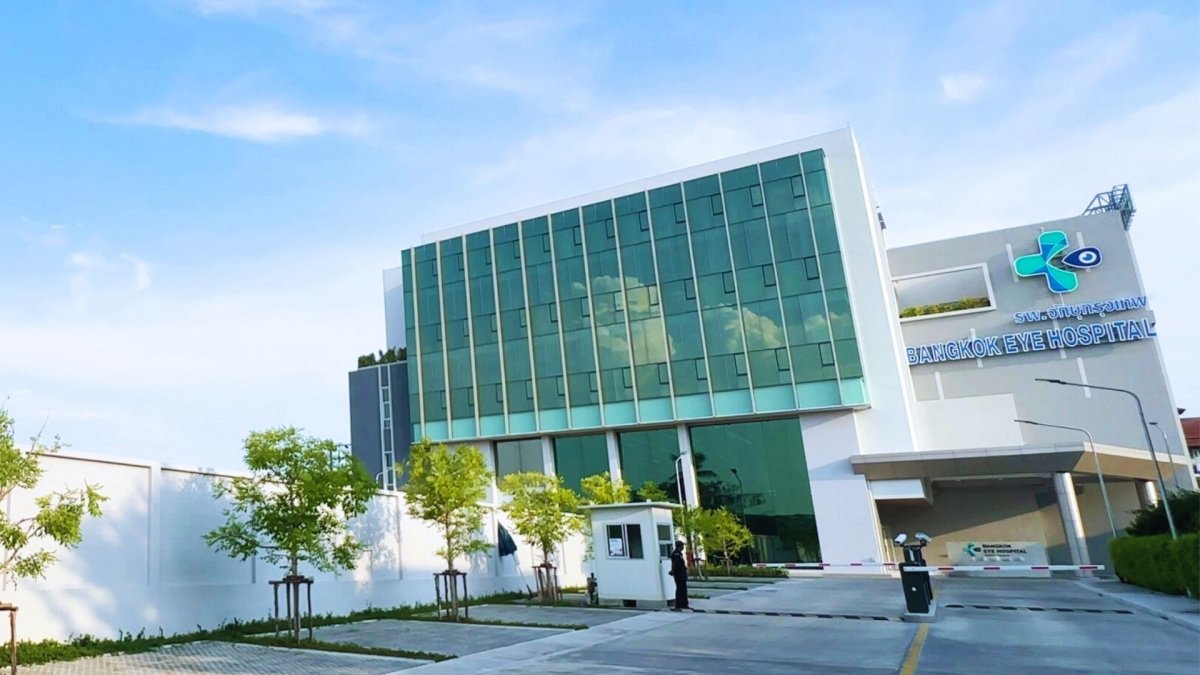

نظرة عامة على عملية جراحية لإنشاء تلميذ اصطناعي في تايلاند
- إيداع Bookimed: 200 دولار أو 200 يورو.
- وديعة العيادة: ادفع نسبة محددة مقدمًا.
احصل على تقييم طبي لـ عملية جراحية لإنشاء تلميذ اصطناعي في تايلاند: اختر أخصائيك من بين الأفضل في هذا المجال
عرض جميع الأطباء
Ponpawee Jindarak
الدكتور جينداراك هو طبيب عيون متخصص في علاج الجلوكوما، وحاصل على زمالة دولية من مستشفى إلينوي للعيون والأذن.
- تخرج من كلية الطب بجامعة شولالونغكورن
- حاصل على شهادة في طب العيون من جامعة شولالونغكورن
- أكمل زمالة سريرية في الجلوكوما في جامعة إلينوي، شيكاغو
- يعمل حالياً في مستشفى إنتارارات

Theppachai Thammikasakul
يتخصص الدكتور ثيباتشاي ثاميكاساكول في جراحات القرنية وتصحيح الإبصار، ويقدم خبرة دقيقة في إجراءات الحدقة الاصطناعية في مستشفى إنتارارات.
- طبيب عيون معتمد متخصص في جراحة القرنية وتصحيح الإبصار
- تلقى تدريبه في جامعة خون كاين - وهو مركز مرموق لرعاية العيون
- عضو في قسم طب العيون بمستشفى فرامونجكوتكلاو
- يجري جراحات دقيقة للعين باستخدام تقنيات متخصصة
قصص فيديو من مرضى Bookimed
المراجعات
جميع المراجعات
مشاركة المحتوى
 Anna Leonova
أسئلة متكررة حول عملية جراحية لإنشاء تلميذ اصطناعي في تايلاند
ما هي المستندات المطلوبة للتقدم للحصول على تأشيرة لتايلاند للعلاج؟
للتقدم للحصول على تأشيرة دخول إلى تايلاند ، هناك عدد من المستندات المطلوبة. يمكن تقديم الأوراق اللازمة قبل 90 يومًا من المغادرة المخطط لها. قائمة الوثائق تشمل :
- بطاقة الهوية
- تأكيد التسجيل عبر الإنترنت وملء الاستبيان
- شهادة الدخل والأموال (20000 باهت لكل شخص / 40 ألف بات لكل أسرة)
- بوليصة التأمين لفترة الإقامة في تايلاند (الأصل والنسخة)
- 2 صورة (4x6)
- الحصول على تأشيرة
- تذكرة طيران ذهابًا وإيابًا (مدفوعة بالكامل) وحجز الفنادق
- رأي الطبيب في الحاجة للعلاج.
ما هو مستوى الطب في تايلاند؟
الرعاية الصحية هي قطاع التنمية الرئيسي للحكومة التايلاندية. السلطات التايلاندية مقتنعة بأن رعاية صحة المواطنين يجب أن تكون أولوية غير مشروطة لسياسة الدولة ، وتنفق سنويًا حوالي 25 مليار بات على الرعاية الصحية.
نتيجة لذلك ، توفر 36673 منشأة طبية رعاية طبية ممتازة في البلاد. تم اعتماد 64 مركزًا طبيًا في المملكة من قبل اللجنة المشتركة الدولية (JCI) ، وهي هيئة دولية لتحسين جودة وسلامة الخدمات الطبية في جميع أنحاء العالم. فهرس الشهادات المتلقاة هو الأكبر. للمقارنة ، هناك 20 مؤسسة معتمدة من اللجنة الدولية المشتركة في إسرائيل ، و 10 عيادات فقط من هذا النوع في ألمانيا.
ما هو أفضل وقت للذهاب إلى تايلاند؟
الميزة الرئيسية للمنتجعات التايلاندية هي موسم الشاطئ الطويل. يختلف المناخ على السواحل الشرقية والغربية ، لذا ضع ذلك في الاعتبار عند التخطيط لرحلتك. أفضل وقت للسفر هو خلال الموسم البارد والجاف من نوفمبر إلى أوائل أبريل. يحدث تدفق كبير للسياح في مارس ومايو ، عندما تصل درجة حرارة الهواء إلى + 30 درجة مئوية.
ما تحتاج لمعرفته عن تايلاند قبل رحلتك؟
اسم رسمي | مملكة تايلاند |
عملة | البات التايلندي (يمكنك أيضًا الدفع مقابل الخدمات بالدولار) |
أفضل فترة للسفر | نوفمبر - بداية أبريل |
لغة | التايلاندية (معظم الطاقم الطبي يتحدث الإنجليزية بطلاقة) |
تأشيرة | مطلوب لرحلة مدتها 3-6 أشهر |
فارق التوقيت مع أوروبا | الساعه 7 |
فارق التوقيت من الولايات المتحدة الأمريكية |
يوجد في مملكة تايلاند فنادق ذات نطاقات أسعار ومستويات خدمة مختلفة. مستوى الفنادق التايلاندية مشابه للفنادق في تونس أو المغرب أو مصر. يختار معظم السياح فنادق 4 و 5 نجوم مع وجبات شاملة كليًا. تحتوي هذه الفنادق على كل شيء لإقامة مريحة: طعام متنوع ، منطقة كبيرة جيدة الإعداد ، رسوم متحركة للأطفال والكبار. تحتوي بعض الفنادق على حديقة مائية خاصة بها ، والتي يمكن للضيوف استخدامها مجانًا. يمكن للمسافرين ذوي الميزانية المحدودة حجز فندق اقتصادي من فئة 3 نجوم مع نصف إقامة أو بدون وجبات على الإطلاق.
|