تقويم الأسنان الذاتي الربط في إسبانيا — احصل على أفضل 3 عيادات مع التكاليف


تمت مراجعة المقالة طبيا من قبل
فهد مولود
كيف نعمل؟
ما هي تكلفة تقويم الأسنان الذاتي الربط في إسبانيا؟ اكتشف الآن
تتراوح تكلفة تقويم الأسنان ذاتي الربط في إسبانيا عادةً بين $2,300 و $3,500. تعتمد الأسعار على مادة الحاصرات، وتعقيد الحالة، وموقع العيادة في مدن مثل مدريد أو برشلونة. تشمل معظم عروض أسعار عيادات الأسنان الإسبانية الفحوصات، والتصوير، وجلسات التعديل، ومثبتات ما بعد العلاج.
- تقويم H4 المعدني ذاتي الربط: من $1,200 إلى $1,900 للفك الواحد.
- تقويم SmartClip: من $2,600 إلى $3,700 بفضل تقنية الاحتكاك المنخفض المتطورة.
- حاصرات السيراميك التجميلية: تزيد تكلفتها عادة بنسبة 15-25 % عن الأنظمة المعدنية التقليدية.
- تفاوت الأسعار الإقليمي: قد تكون الأسعار في برشلونة ومدريد أعلى بنسبة 15-20 % عنها في ألمرية.
رأي خبراء Bookimed: تتميز إسبانيا بقطاع طب أسنان خاضع لرقابة صارمة مع وجود عيادات حاصلة على شهادة ISO. يضمن اختيار مرفق مثل عيادة دكتور جوان راميس ماتاس أو عيادة إيل سيدرو تطبيق معايير الجودة الدولية. يفضل العديد من المرضى العيادات الإسبانية لتقديمها أسعاراً شاملة. يتجنب هذا النهج الشفاف الرسوم الإضافية لجلسات التعديل الشائعة في دول أخرى.
| إسبانيا | تركيا | تايلاند | |
|---|---|---|---|
| تقويم الأسنان الذاتي الربط | ≈ $2,300 | ≈ $1,300 | ≈ $1,900 |
| دعامة معدنية ذاتية الربط H4 (الولايات المتحدة الأمريكية)، 1 فك | ≈ $1,200 | ≈ $650 | ≈ $1,100 |
| دعامات سيراميك كلاريتي ذاتية الربط (الولايات المتحدة الأمريكية)، 1 فك | ≈ $1,100 | من $900 | ≈ $1,300 |
| تقويم الأسنان SmartClip | ≈ $2,600 | ≈ $1,300 | ≈ $1,800 |
اكتشف أفضل تقويم الأسنان الذاتي الربط العيادات في إسبانيا: 14 خيارات معتمدة والأسعار
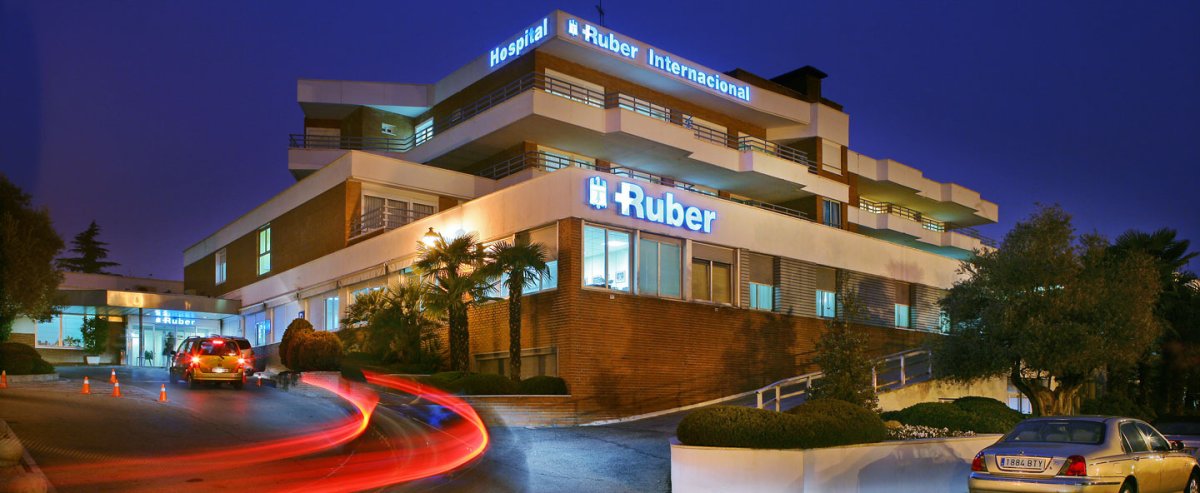



SJD Barcelona Children’s Hospital







Fernandez & Ayora Dental
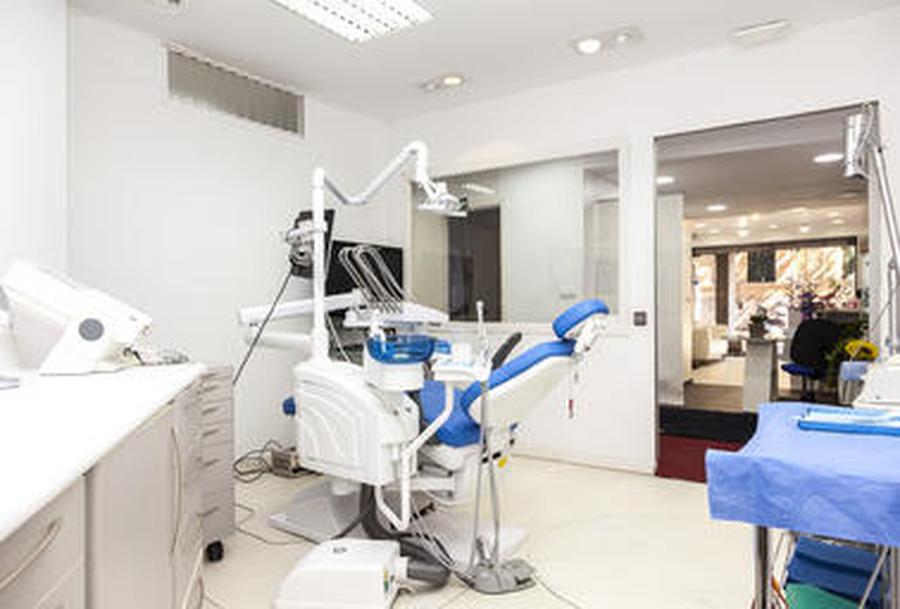
Disseny de Somriures


Face Clinic

Castellanos Centro Odontologico

نظرة عامة على تقويم الأسنان الذاتي الربط في إسبانيا
- تقويم الأسنان الذاتي الربط - من $2,300
يتضمن العلاج أجهزة تقويم الأسنان الثابتة التي تشد تلقائيًا لتقويم الأسنان بشكل أكثر راحة وكفاءة.
- تقويم الأسنان SmartClip - من $2,600
يستخدم هذا الإجراء أقواس ذاتية الربط لتقويم الأسنان بشكل فعال ، وتقليل وقت العلاج وعدم الراحة.
اليوم 1
- الوصول إلى البلاد.
- نقل من المطار إلى الفندق.
اليوم الثاني
- التشاور مع أخصائي تقويم الأسنان.
- إجراء الفحوصات الطبية مثل الأشعة السينية.
يوم 3
- عملية تركيب دعامات الربط الذاتي ، والتي تستغرق عادة من ساعة إلى ساعتين.
- لا حاجة للتخدير في هذا الإجراء.
اليوم الرابع
- فحص ما بعد العملية مع أخصائي تقويم الأسنان.
- يتم تقديم إرشادات حول العناية بنظام تقويم الأسنان وتنظيفه.
يوم 5
- التشاور النهائي مع أخصائي تقويم الأسنان.
- نقل من الفندق إلى المطار.
الأسبوع 1-2
- التعديل الأولي على تقويم الأسنان في المنزل.
- التنظيف المنتظم للعناية بتقويم الأسنان.
الأسبوع 3-4
- العودة إلى العمل والأنشطة الأخرى.
- فحوصات منتظمة مع أخصائي تقويم الأسنان المحلي من أجل التعديل.
الشهر 6-24
- المحاذاة التدريجية للأسنان.
- يمكن رؤية النتيجة النهائية بعد 1-2 سنوات ، حسب الحالة.
ضع في اعتبارك أن كل حالة فردية وقد يختلف الجدول الزمني.
- إيداع Bookimed: 200 دولار أو 200 يورو.
- وديعة العيادة: ادفع نسبة محددة مقدمًا.
احصل على تقييم طبي لـ تقويم الأسنان الذاتي الربط في إسبانيا: اختر أخصائيك من بين الأفضل في هذا المجال
عرض جميع الأطباء
Ana Ledesma Pavón
Cristina Martínez-Almoyna Rifá
قصص فيديو من مرضى Bookimed
المراجعات
جميع المراجعاتمشاركة المحتوى
 Anna Leonova
أسئلة متكررة حول تقويم الأسنان الذاتي الربط في إسبانيا
ما هي تقويمات الأسنان ذاتية الربط؟
تقويم الأسنان ذاتي الربط هو جهاز تقويمي متطور يستخدم آلية انزلاق مدمجة متخصصة أو نظام أبواب لتثبيت سلك التقويم. على عكس التقويم التقليدي، فهي تلغي الحاجة إلى الأربطة المطاطية، مما يقلل الاحتكاك ويزيد من الراحة ويسهل العناية بالنظافة في العيادات الإسبانية المعتمدة من JCI.
- بدون أربطة مطاطية: تستخدم مشابك معدنية أو أبواب بدلاً من الأربطة المطاطية لتثبيت الأسلاك.
- صيانة أقل: غياب الأربطة المطاطية يقلل من تراكم البلاك ويبسط عملية التنظيف اليومي.
- زيارات أقل: عادة ما تكون مواعيد المتابعة كل شهرين بدلاً من كل شهر.
- خيارات العلاج: متوفرة بتصاميم نشطة أو خاملة باستخدام علامات تجارية مثل Damon أو H4.
رؤية خبير Bookimed: بينما يعطي المرضى الأولوية للسرعة غالبًا، فإن القيمة الحقيقية هنا هي المرونة الاجتماعية. تشير البيانات إلى أن متوسط سعر هذه التقويمات في إسبانيا هو $2,300، ولكن جدول المتابعة كل شهرين هو الجاذب الرئيسي للمرضى الدوليين الذين يسافرون إلى مدن مثل برشلونة أو مدريد.
إجماع المرضى: يسلط المرضى الضوء بشكل متكرر على الانخفاض الكبير في تقرحات الفم وسهولة تنظيف أسنانهم دون أن يعلق الطعام في الأربطة المطاطية. لاحظ الكثيرون أن الأبواب المنزلقة تبدو أكثر انسيابية مقابل الخدين مقارنة بخطافات التقويم التقليدية.
هل تسبب تقويمات الأسنان ذاتية الربط ألمًا أكثر من التقليدية؟
تسبب تقويمات الأسنان ذاتية الربط عادةً انزعاجًا أقل من التقليدية لأنها تستخدم آلية انزلاق بدلاً من الأربطة المطاطية. هذا التصميم يقلل الاحتكاك ويطبق قوى ألطف ومستمرة على الأسنان. غالبًا ما يعاني المرضى من ألم أخف وقروح أقل في الفم بفضل حجم الحاصرات الأصغر والأكثر سلاسة.
- تقليل الاحتكاك: تسمح المشابك المدمجة للأسلاك بالانزلاق بحرية، مما يقلل من الضغط المؤلم أثناء الحركة.
- مستويات الألم: يبلغ معظم المرضى عن ألم خفيف بدلاً من الألم الحاد بعد التركيب الأولي.
- تهيج الأنسجة: تسبب الحاصرات الأصغر مثل نظام H4 آفات أقل على الشفاه الداخلية.
- تكرار التعديلات: يؤدي تقليل الاحتكاك عادةً إلى تمديد فترات المتابعة إلى كل 8 أسابيع في إسبانيا.
رؤية خبير Bookimed: بينما يختار الكثيرون الأنظمة ذاتية الربط للراحة، فإن الميزة الحقيقية في إسبانيا هي كفاءة الأنظمة عالية التقنية مثل SmartClip وH4. تظهر البيانات أن هذه العيادات تعطي الأولوية للدقة الجراحية عالية المستوى، وغالبًا ما تجمع بين رعاية تقويم الأسنان والخبرة متعددة التخصصات. اختيار منشأة معتمدة من JCI في مدريد أو برشلونة يضمن استخدام أخصائي تقويم الأسنان لتسلسلات أسلاك دقيقة تقلل من ألم التعديل.
إجماع المرضى: يسلط المرضى الضوء بشكل متكرر على أن غياب الأربطة المطاطية يجعل التنظيف أسهل ويمنع ألم «الشد» المعتاد في التعديلات التقليدية. يتفق معظمهم على أن الانتقال إلى حاصرات أصغر يقلل بشكل كبير من تهيجات الفم الشائعة.
ما الفرق بين تقويم الأسنان ذاتي الربط النشط وغير النشط (السلبي)؟
تستخدم الأقواس ذاتية الربط النشطة مشبكاً زنبركياً لضغط سلك التقويم مقابل فتحة القوس، مما يضمن تحكماً دقيقاً في عزم الدوران. تستخدم الأنظمة السلبية باباً منزلقاً يثبت السلك دون ضغط مباشر، مما يقلل الاحتكاك لتسهيل حركة الأسنان الأولية بشكل أسرع خلال مرحلة التسوية.
- الآلية النشطة: يمارس المشبك ضغطاً مستمراً لتحديد موضع الأسنان النهائي وتدويرها بدقة.
- الآلية السلبية: يخلق الباب المنزلق فتحة تشبه الأنبوب لتقليل المقاومة وزيادة الراحة.
- تعبير عزم الدوران: توفر الأقواس النشطة مثل In-Ovation تحكماً فائقاً خلال مراحل التشطيب.
- مستويات الاحتكاك: تقلل الأنظمة السلبية مثل Damon الاحتكاك، مما يساعد في التطور السريع لقوس الأسنان.
رؤية خبير Bookimed: بينما يركز المرضى غالباً على أنواع الأقواس، تشير بياناتنا إلى أن اختيار العيادة في إسبانيا هو في الواقع المحرك الأساسي للأداء. تعالج المراكز المتخصصة مثل Castellanos Centro Odontologico أو Clinica Dental Dr. Joan Ramis Matas أعداداً كبيرة من المرضى الدوليين، حيث تكون الاستراتيجية الميكانيكية الحيوية لأخصائي تقويم الأسنان أكثر أهمية من كون القوس نشطاً أو سلبياً.
إجماع المرضى: يبلغ المرضى أنه بغض النظر عن الآلية، تسبب الأنظمة ذاتية الربط تقرحات أقل في الفم وهي أسهل بكثير في التنظيف من الأقواس التقليدية. يتفق معظمهم على أن خبرة أخصائي تقويم الأسنان هي العامل الحاسم في نجاح العلاج بشكل عام.
كم تستغرق مدة العلاج بتقويم الأسنان ذاتي الربط في إسبانيا؟
عادةً ما يستغرق العلاج بتقويم الأسنان ذاتي الربط في إسبانيا من 12 إلى 24 شهرًا، حيث تنتهي العديد من الحالات في أقل من 18 شهرًا. تستخدم الأنظمة عالية الكفاءة مثل Damon أو SmartClip آليات انزلاقية لتقليل الاحتكاك، مما يؤدي غالبًا إلى تسريع حركة الأسنان وتقصير الجدول الزمني العام للتصحيح.
- كفاءة النظام: يمكن لتقنية الربط الذاتي تقليل وقت العلاج الإجمالي بنسبة 15-30% مقارنة بالتقويم التقليدي.
- العلامات التجارية السريرية: تستخدم العيادات أنظمة متطورة بما في ذلك Damon وH4 وSmartClip للحصول على نتائج أسرع.
- عوامل التعقيد: قد تؤدي حالات بروز الأسنان الشديدة، أو العضة العميقة، أو الحاجة إلى خلع الأسنان إلى تمديد فترة العلاج لتصل إلى 24 شهرًا.
- تكرار المواعيد: تسمح الأقواس السلبية بعدد أقل من زيارات العيادة وتقليل الحاجة إلى الشد اليدوي المتكرر.
رؤية خبير Bookimed: بينما يتطلب التقويم التقليدي زيارات شهرية، غالبًا ما تحدد العيادات في مدريد وبرشلونة مواعيد تعديل التقويم ذاتي الربط كل 8-10 أسابيع. هذا الفاصل الزمني الممتد ممكن لأن الأسلاك عالية التقنية تحافظ على ضغط ثابت ولطيف دون الحاجة إلى أربطة يدوية. وهذا يجعل إسبانيا خيارًا ممتازًا للمرضى الدوليين الذين لا يستطيعون السفر لإجراء فحوصات شهرية متكررة.
إجماع المرضى: يذكر المرضى أن غياب الأربطة المطاطية يجعل تنظيف الأسنان أسهل ويقلل بشكل كبير من الألم بعد التعديلات. يقدر الكثيرون أن تصميم السلك المنزلق يؤدي إلى تغييرات ملحوظة في استقامة الأسنان بشكل أسرع بكثير مما كان متوقعًا.
ما هي المزايا الرئيسية لتقويم الأسنان ذاتي الربط؟
تستخدم تقويمات الأسنان ذاتية الربط آلية باب أو مشبك متخصصة لتثبيت أسلاك القوس، مما يغني عن الأربطة المطاطية التقليدية. يوفر هذا النظام راحة معززة من خلال تقليل الاحتكاك، ويسمح بنظافة فموية فائقة، ويمكن أن يقلل من مدة العلاج من 24 شهرًا إلى حوالي 18 شهرًا.
- سرعة العلاج: يحقق بعض المرضى نتائج أسرع بـ 6 أشهر مقارنة بطرق تقويم الأسنان التقليدية.
- تقليل الاحتكاك: تطبق المشابك المنزلقة ضغطًا أكثر لطفًا، مما يقلل بشكل كبير من الانزعاج الجسدي اليومي.
- نظافة الفم: يمنع غياب الأربطة المطاطية تراكم البلاك ويسهل عملية التنظيف الروتينية.
- زيارات أقل: تمتد فترات التعديل عادةً إلى شهرين، مما يتطلب عددًا أقل من المواعيد في العيادة.
رؤية خبير Bookimed: تفضل العيادات الإسبانية مثل Fernandez & Ayora Dental أو Clinica Dental El Cedro الأنظمة المتميزة مثل Damon و SmartClip. تسمح هذه العلامات التجارية بإجراء تعديلات أسرع أثناء الجلوس على كرسي الأسنان. على الرغم من أن التكنولوجيا متقدمة، تظل مهارة طبيب تقويم الأسنان الخاص بك هي العامل الأساسي لتحقيق قوس ابتسامة أوسع بأمان.
إجماع المرضى: يسلط المرضى الضوء بشكل متكرر على الراحة الناتجة عن عدم وجود مشاكل تلطخ من الأربطة المطاطية. كما أنهم يقدرون جلسات التعديل الأقصر بشكل ملحوظ مقارنة بتقويم الأسنان المعدني التقليدي.
هل تتوفر تقويمات الأسنان ذاتية الربط من السيراميك؟
تتوفر تقويمات الأسنان ذاتية الربط من السيراميك، حيث تجمع بين المظهر غير الواضح للمواد الشفافة التي تشبه لون الأسنان وآلية انزلاق منخفضة الاحتكاك. هذه الأنظمة، بما في ذلك أقواس 3M القياسية في الصناعة، تلغي الحاجة إلى الأربطة المطاطية، مما يسهل حركة الأسنان بشكل أسرع مع الحفاظ على مظهر جمالي غير مرئي تقريبًا للمرضى.
- ميزة المادة: تمتزج أقواس السيراميك الشفافة بشكل طبيعي مع الأسنان لتوفير مظهر غير ملحوظ.
- الكفاءة الميكانيكية: تعمل المشابك ذاتية الربط منخفضة الاحتكاك على تبسيط تعديلات السلك وتقليل مدة العلاج.
- المتانة: تم تصميم أقواس السيراميك المصقولة لمقاومة تراكم البلاك ومنع الانحشار.
- راحة معززة: تقلل أجنحة الأقواس المستديرة من تهيج الأنسجة الرخوة أثناء عملية التقويم.
رؤية خبير Bookimed: على الرغم من أن أقواس السيراميك نفسها مقاومة للبقع، إلا أن العديد من المرضى يغفلون عن أن الأربطة المطاطية الشفافة المستخدمة في التقويم التقليدي يتغير لونها بسهولة. من خلال اختيار أنظمة السيراميك ذاتية الربط مثل تلك الموجودة في Clinica Dental - Dr. Joan Ramis Matas، فإنك تتجنب هذه الأربطة تمامًا، مما يحافظ على شفافية تقويمك حتى لو كنت تشرب القهوة أو الشاي.
إجماع المرضى: يقدر المرضى كيف توفر هذه التقويمات نفس قوة التعديل مثل المعدن مع بقائها غير مرئية تقريبًا. ويوصون بطلب "autoligado cerámico" تحديدًا في العيادات الإسبانية لضمان استخدام آلية الربط الذاتي.