تصوير الأوعية التاجية في إسبانيا — احصل على 3 عيادات مطابقة مع التكاليف


تمت مراجعة المقالة طبيا من قبل
فهد مولود
ما هي تكلفة تصوير الأوعية التاجية في إسبانيا؟ اكتشف الآن
تتراوح تكلفة تصوير الشرايين التاجية في إسبانيا عادةً من $3,200 إلى $4,800. تختلف الأسعار حسب العيادة، وما إذا كان الإجراء تشخيصيًا أو تدخليًا، وخبرة طبيب القلب، وما إذا كانت هناك حاجة للتخدير أو عوامل التباين. في ألمانيا، يبلغ متوسط السعر $9,000 (حسب ESC). هذا يعني أن تصوير الشرايين التاجية في إسبانيا أقل تكلفة بحوالي 56% مقارنة بألمانيا.
في إسبانيا، يشمل السعر عادةً استشارة طبيب القلب، اختبارات الدم قبل العملية، إجراء تصوير الشرايين نفسه، استخدام صبغة التباين، المراقبة، وإقامة قصيرة في المستشفى. كما يتم عادةً تغطية المراقبة بعد الإجراء والمتابعة. في ألمانيا، غالبًا لا يشمل السعر الأساسي اختبارات ما قبل العملية أو التخدير أو المراقبة الممتدة، ويتم احتسابها بشكل منفصل. يجب دائمًا التأكد من الخدمات المشمولة مع العيادة المختارة.
المزايا الرئيسية
لماذا تختار إسبانيا لإجراء تصوير الأوعية التاجية؟
- عيادات معتمدة: المستشفيات المعتمدة من JCI والمراكز المعتمدة من قبل وزارة الصحة الإسبانية تقدم رعاية عالية الجودة.
- أحدث التقنيات: تستخدم إسبانيا تقنيات مثل قياس احتياطي التدفق الجزئي (FFR) والتصوير المقطعي البصري (OCT). يستخدمون علامات تجارية رائدة مثل Philips Azurion وGE Healthcare's Innova IGS 5 لتعزيز دقة التشخيص.
- نسب نجاح عالية: تصوير الأوعية التاجية في إسبانيا لديه معدل فعالية يبلغ 98%. النتائج ممتازة عبر مختلف حالات المرضى.
- جراحون خبراء: أطباء القلب المشهورون، المعتمدون من قبل المجلس الأوروبي لأمراض القلب، قاموا بإجراء أكثر من 2000 عملية تصوير للأوعية التاجية. هذا يضمن الرعاية الخبيرة والدقة.
احصل على حلول متقدمة لتصوير الأوعية التاجية في عيادات موثوقة من $3,200.
مزاياك وضماناتك مع Bookimed
أسعار مباشرة
Bookimed لا يضيف رسوماً إضافية على أسعار تصوير الأوعية التاجية. الأسعار مأخوذة من قوائم الأسعار الرسمية للعيادات. تدفع مباشرة في العيادة مقابل تصوير الأوعية التاجية عند وصولك.
عيادات وأطباء معتمدون فقط
Bookimed ملتزم بسلامتك. نحن نعمل فقط مع المؤسسات الطبية التي تحافظ على معايير دولية عالية في تصوير الأوعية التاجية ولديها التراخيص اللازمة لخدمة المرضى الدوليين في جميع أنحاء العالم.
مساعدة مجانية على مدار الساعة
Bookimed يقدم مساعدة خبراء مجانية. منسق طبي شخصي يدعمك قبل وأثناء وبعد العلاج، ويحل أي مشاكل. لن تكون وحيداً أبداً في رحلة تصوير الأوعية التاجية.

منسقك الطبي الشخصي في Bookimed
- يدعمك في كل مرحلة
- المساعدة في اختيار العيادة الطبية المناسبة والطبيب المناسب
- يضمن الوصول السريع والمريح إلى المعلومات
اكتشف أفضل تصوير الأوعية التاجية العيادات في إسبانيا: 1 خيار معتمدة والأسعار


نظرة عامة على تصوير الأوعية التاجية في إسبانيا
- تصوير الأوعية التاجية - من $3,200
يصور هذا الإجراء شرايين القلب ، ويكتشف الانسداد عن طريق الصبغة والأشعة السينية ، مما يسمح بعلاجات دقيقة وموجهة.
اليوم الأول: الوصول
- الوصول إلى البلد والتحقق من مكان إقامتك.
- مطلوب النقل الذاتي من المطار إلى المستشفى.
اليوم الثاني: ما قبل العملية
- استشارة أولية مع طبيب قلب.
- اخضع لفحوصات الدم اللازمة.
- قم بإجراء فحص جسدي وناقش التاريخ الطبي.
- تلقي التعليمات الخاصة بيوم الإجراء.
اليوم الثالث: تصوير الأوعية التاجية
- الوصول إلى المستشفى في الصباح ، صائماً.
- الحصول على تخدير موضعي.
- تستغرق العملية حوالي ساعة إلى ساعتين.
- يتم إدخال قسطرة من خلال وعاء دموي إلى القلب.
- يتم حقن الصبغة والأشعة السينية لتصوير الشرايين التاجية.
- ابق في غرفة الإنعاش حتى يزول المهدئ.
اليوم الرابع: بعد العملية
- ابق في المستشفى للمراقبة ، عادة في غرفة فردية.
- يستعرض طبيب القلب النتائج ويناقش الخطوات التالية.
اليوم الخامس: الخروج والتأهيل
- الخروج من المستشفى.
- ابدأ تمرينًا لطيفًا مثل المشي كجزء من إعادة التأهيل.
- اتباع نظام غذائي صحي حسب نصيحة الطبيب.
الأسبوع 2
- زيادة النشاط البدني تدريجيًا.
- من المتوقع بشكل عام الشفاء التام والعودة إلى العمل.
يرجى ملاحظة أن تجربة كل مريض قد تختلف ، ومن المهم اتباع نصيحة طبيبك من أجل الشفاء الناجح.
- إيداع Bookimed: 200 دولار أو 200 يورو.
- وديعة العيادة: ادفع نسبة محددة مقدمًا.
احصل على تقييم طبي لـ تصوير الأوعية التاجية في إسبانيا: اختر أخصائيك من بين الأفضل في هذا المجال
عرض جميع الأطباء
José Ángel Cabrera Rodríguez
يقود الدكتور كابريرا أقسام أمراض القلب في مستشفيات كيرونسالود مدريد وروبير خوان برافو، مع عقود من الخبرة في إجراءات القلب المعقدة.
- رأس وحدات عدم انتظام ضربات القلب في مستشفيات مدريد الكبرى منذ عام 2000
- متخصص في أمراض القلب التداخلية والفيزيولوجيا الكهربائية
- أستاذ في قسم أمراض القلب بالجامعة الأوروبية في مدريد
- عضو في جمعيات أمراض القلب الأوروبية والأمريكية الشمالية
- أبحاث مكثفة منشورة في أفضل مجلات القلب

Francisco Javier Alzueta Rodriguez
أكثر من 100 منشور علمي و23 كتاباً في أمراض القلب – يجمع الدكتور ألزيتا رودريغيز بين البحث العميق والخبرة السريرية في مستشفى كيرونسالود ماربيا.
- متخصص في عدم انتظام ضربات القلب واستئصال القسطرة
- رئيس وحدة عدم انتظام ضربات القلب في عيادة بويرتا دي هييرو
- محاضر أول في جامعة مالقة
- عضو الجمعية الأوروبية لأمراض القلب
- نسق أبحاث أجهزة تنظيم ضربات القلب القابلة للزرع للجمعية الإسبانية لأمراض القلب

Said Barakat
الدكتور سعيد بركات هو طبيب قلب رائد في الأندلس، متخصص في تصوير الأوعية التاجية وطب القلب التداخلي في Quirónsalud Marbella.
- 23 سنة من الخبرة في طب القلب
- رئيس الوحدة ورئيس الاختبارات السريرية والتكميلية
- مؤلف لثلاثة كتب في طب القلب وأكثر من 80 منشوراً
- متخصص في قسطرة القلب التشخيصية والعلاجات عن طريق الجلد
- رئيس وحدة طب القلب النووي في معهد Tanit في مالقة

Fernando Villagrá
أكثر من _doctor_3341_عاماً_ في قيادة وحدات جراحة القلب للأطفال – يتخصص الدكتور فيلاغرا في أمراض القلب الخلقية في مستشفى HM Montepríncipe الجامعي.
- رئيس قسم جراحة قلب الأطفال منذ عام 1999
- تدرب في كبرى المستشفيات الأمريكية بما في ذلك عيادة مايو وكليفلاند كلينك
- نشر أكثر من 100 ورقة بحثية في مجلات دولية
- خبير في إصلاح عيوب القلب الخلقية المعقدة
قصص فيديو من مرضى Bookimed
المراجعات
جميع المراجعاتمشاركة المحتوى
 Anna Leonova
أسئلة متكررة حول تصوير الأوعية التاجية في إسبانيا
متى يكون من الآمن الطيران بعد تصوير الأوعية التاجية في إسبانيا؟
من الآمن بشكل عام السفر بالطائرة بعد يومين من إجراء تصوير الأوعية التاجية دون مضاعفات في إسبانيا. إذا أجرى الجراحون في مرافق مثل مستشفى روبر الدولي (Hospital Ruber Internacional) عملية رأب الوعاء مع وضع دعامة، ينتظر المرضى عادةً من أسبوع إلى أسبوعين. الاستقرار في موقع وصول القسطرة هو المطلب الأساسي للسفر.
- تصوير الأوعية التشخيصي: يمكن للمرضى الذين لا يعانون من مضاعفات السفر عادةً بعد يومين من الراحة.
- فترة انتظار رأب الوعاء: غالبًا ما تتطلب عملية وضع الدعامة من أسبوع إلى أسبوعين من التعافي قبل الطيران.
- بعد النوبة القلبية: يختلف تصريح الطيران من 3 أيام إلى 6 أسابيع بناءً على الحالة السريرية.
- متطلبات السفر: يجب على أطباء القلب المعتمدين تأكيد أن موقع الثقب جاف ومستقر.
رؤية خبير Bookimed: غالبًا ما يحمل كبار أخصائيي القلب والأوعية الدموية في إسبانيا مؤهلات من كليفلاند كلينك أو مايو كلينك. يشير الدكتور خوسيه أنخيل كابريرا رودريغيز إلى أن السبب السريري للفحص يحدد توقيت السفر أكثر من الإجراء نفسه. اختيار مستشفى معتمد من قبل اللجنة الدولية المشتركة (JCI) في مدريد يضمن أن سجلاتك تلبي معايير التأمين الدولية لتغطية الرحلات الجوية بعد العملية.
إجماع المرضى: يجد المسافرون أن التعافي الجسدي سريع إذا ظل موقع الشق جافًا. يعطي معظمهم الأولوية لإجراء فحص نهائي للتأكد من عدم ظهور أعراض جديدة مثل ضيق التنفس قبل الصعود إلى الطائرة.
ما هو تصوير الأوعية التاجية؟
تصوير الأوعية التاجية هو إجراء متخصص للتصوير بالأشعة السينية يستخدم للكشف عن الانسدادات أو التضيقات في شرايين القلب. يُعرف هذا الإجراء بالمعيار الذهبي لتشخيص أمراض الشرايين التاجية، ويستخدم صبغة تباين وأشعة سينية لتصور تدفق الدم وتوجيه العلاج الفوري مثل وضع الدعامة.
- أنواع النهج: يشمل كلاً من تصوير الأوعية التداخلي عبر القسطرة وخيارات تصوير الشرايين التاجية غير الجراحي عبر الأشعة المقطعية.
- نقاط الوصول: عادةً ما يستخدم الجراحون الوصول عبر المعصم لتعافي أسهل، ولكن قد يستخدمون منطقة الفخذ.
- العملية: تقوم القسطرة بتوصيل صبغة إشعاعية إلى الشرايين بينما تلتقط الأشعة السينية صوراً مفصلة في الوقت الفعلي.
- التكلفة في إسبانيا: تتراوح الإجراءات من $3,200 إلى $4,800 في أفضل المستشفيات الإسبانية.
رؤية خبير Bookimed: تقدم إسبانيا ميزة فريدة لمرضى القلب من خلال الجمع بين البنية التحتية عالية التقنية والتوفير الكبير في التكاليف. تستفيد مستشفيات مثل Ruber Internacional من تقنية الرنين المغناطيسي بقوة 3 تسلا والتصوير المتقدم لضمان دقة التشخيص قبل اتخاذ أي خطوات تداخلية.
إجماع المرضى: غالباً ما يجد المرضى أن الإجراء أقل إيلاماً مما كان متوقعاً، على الرغم من أن موقع الوصول قد يشعرون فيه ببعض الكدمات. يقدر الكثيرون أن الأطب
لماذا قد يوصي طبيب القلب في إسبانيا بهذا الفحص؟
يوصي أطباء القلب في إسبانيا بتصوير الأوعية التاجية لتشخيص الشرايين الضيقة أو المسدودة وتأكيد الإصابة بمرض الشريان التاجي. يوفر هذا الإجراء التشخيصي تصويراً عالي الجودة للأوعية الدموية. ويساعد المتخصصين على تحديد مدى خطورة تصلب الشرايين والتخطيط للعلاجات، مثل تركيب دعامة أو جراحة مجازة، داخل المؤسسات المعتمدة من قبل اللجنة الدولية المشتركة (JCI).
- الدقة التشخيصية: تقييم الألم غير المبرر في الصدر أو الفك أو الرقبة أو الذراع للكشف عن أمراض القلب الخفية.
- المتابعة بعد التشوهات: فحص التغيرات في نشاط القلب التي تم اكتشافها أثناء اختبار إجهاد غير طبيعي سابق.
- إدارة الحالات الحادة: ضرورة فورية للمرضى الذين يعانون من نوبة قلبية حادة مع ارتفاع في قطعة ST في تخطيط القلب الكهربائي.
- التخطيط الجراحي: تقييم عيوب القلب الخلقية أو أمراض الصمامات قبل إجراء جراحة قلب تصحيحية.
رأي خبراء Bookimed: تتعامل مراكز القلب الإسبانية، مثل مستشفى روبر الدولي (Hospital Ruber Internacional)، مع حجم هائل يتجاوز 93,000 استشارة سنوياً. تتيح هذه القدرة العالية للجراحين مثل الدكتور سعيد بركات في كيرونسالود ماربيا (Quirónsalud Marbella) إجراء قسطرة تشخيصية وإجراءات TAVI بدقة متناهية. غالباً ما يضمن اختيار مثل هذه المراكز ذات التدفق الكبير للمرضى الوصول إلى تقنيات متقدمة، مثل التصوير بالرنين المغناطيسي 3 تسلا ونظام دافنشي (Da Vinci Xi)، لإجراء فحص قلبي شامل.
إجماع المرضى: غالباً ما يخضع المرضى لهذا الإجراء بعد اختبار الإجهاد ويجب عليهم الانتباه إلى الترط
ما هو دور تصوير الأوعية التاجية في عصر رأب الأوعية الدموية؟
لا يزال تصوير الأوعية التاجية هو المعيار الذهبي لتشخيص أمراض الشرايين، حيث يعمل كخارطة طريق أساسية لعملية رأب الأوعية. فهو يحدد مواقع الانسداد بدقة ويسمح بالتنقل باستخدام الأسلاك في الوقت الفعلي. تستخدمه الممارسة الطبية الحديثة كنقطة قرار حاسمة للإدارة الطبية، أو تركيب الدعامات، أو جراحة المجازة.
- التقييم النهائي: يحدد الموقع الدقيق وشدة وخصائص انسداد الشرايين التاجية.
- تخطيط الإجراء: يوجه اختيار أحجام البالونات والدعامات لتقليل الإشعاع وصبغة التباين.
- الوصول الشعاعي: يوفر الوصول الحديث عبر المعصم تعافياً أسرع ومخاطر نزيف أقل مقارنة بالوصول عبر الفخذ.
- الاختبارات الفسيولوجية: يحدد تقييم FFR المتكامل ما إذا كان الانسداد يتطلب بالفعل دعامة مادية.
رؤية خبراء Bookimed: بينما يوفر تصوير الأوعية الخريطة المرئية، تدمج مراكز أمراض القلب الرائدة في إسبانيا مثل مستشفى روبير إنترناشيونال (Hospital Ruber Internacional) التصوير الرقمي المتقدم. تُظهر البيانات أن إجراء تصوير الأوعية في مراكز عالية الجودة ومعتمدة من اللجنة الدولية المشتركة (JCI) في مدريد يضمن الوصول إلى متخصصين مثل البروفيسور الدكتور خوسيه أنخيل كابريرا رودريغيز. يستخدم الخبراء الآن تصوير الأوعية ليس فقط للعثور على التضيقات، ولكن لإثبات أنها تحد من التدفق قبل المضي قدماً في رأب الأوعية.
إجماع المرضى: يقدر المرضى كيف يؤكد تصوير الأوعية تشخيصهم دون أن يؤدي تلقائياً إلى تركيب دعامة. يقدر الكثيرون أن الأطباء يستخدمون هذه الخرائط لتجنب التدخلات غير الضرورية للانسدادات غي
هل تصوير الأوعية التاجية مؤلم؟
تصوير الأوعية التاجية هو إجراء بسيط الألم بشكل عام يتم إجراؤه تحت تأثير التخدير الموضعي والتخدير الواعي. لا يشعر معظم المرضى إلا بوخز بسيط من حقنة التخدير وضغط خفيف في موقع الوصول. تضمن تقنيات التصوير المتقدمة المستخدمة في إسبانيا دقة عالية وأقل قدر من الانزعاج للمريض.
- تطبيق التخدير: تقوم حقنة صغيرة من التخدير الموضعي بتخدير موقع الوصول في المعصم أو الفخذ.
- إحساس القسطرة: يشعر المرضى بضغط أو دغدغة خفيفة أثناء تحرك القسطرة عبر الأوعية الدموية.
- رد فعل الصبغة: غالبًا ما يسبب حقن صبغة التشخيص إحساسًا دافئًا لفترة وجيزة في جميع أنحاء الجسم.
- العناية بعد الإجراء: عادة ما يستمر الشعور بألم خفيف أو كدمات في موقع الوخز لبضعة أيام.
رؤية خبير Bookimed: اختيار عيادة مثل مستشفى روبر الدولي (Hospital Ruber Internacional) يتيح الوصول إلى رعاية معتمدة من اللجنة الدولية المشتركة (JCI) حيث يستخدم المتخصصون ذوو الخبرة العالية الوصول الشعاعي. تُظهر البيانات أن الإجراءات التي تتم عبر المعصم توفر حركة أسرع بعد الجراحة مقارنة بالوصول عبر الفخذ. يقلل هذا النهج بشكل كبير من الانزعاج الناتج عن الاضطرار إلى الاستلقاء بشكل مسطح لعدة ساعات أثناء التعافي.
إجماع المرضى: يصف معظم الناس التجربة بأنها إجراء روتيني حيث يكون الشعور بالدفء الناتج عن الصبغة هو اللحظة الأكثر كثافة. عادة ما تكون حقنة التخدير هي الشعور الحاد الوحيد الذي يتم الإبلاغ عنه قبل أن يصبح الإجراء هادئًا نسبيًا.
كم يستغرق الإجراء؟
يستغرق تصوير الشرايين التاجية في إسبانيا عادةً من 30 إلى 60 دقيقة للإجراء الطبي. يخضع معظم المرضى لقسطرة القلب التشخيصية تحت تخدير موضعي. يجب أن تخطط لإقامة إجمالية في المستشفى لمدة تتراوح بين 4 إلى 6 ساعات لتشمل التحضير والتعافي.
- مدة الإجراء: تستغرق مرحلة القسطرة الفعلية عادةً ما بين 30 و60 دقيقة.
- إجمالي الوقت في المستشفى: توقع إقامة لمدة 4 إلى 6 ساعات بما في ذلك المراقبة الإلزامية بعد الإجراء.
- نوع التخدير: يستخدم الجراحون التخدير الموضعي في موقع الدخول عبر الجلد لراحة المريض.
- جدول الخروج: تقدم معظم العيادات الإسبانية، مثل مستشفى روبير الدولي، خدمة الخروج في نفس اليوم.
رؤية خبير Bookimed: في حين أن الإجراء نفسه موجز، فإن نقطة الدخول تحدد وقتك الإجمالي. غالبًا ما يسمح الوصول عبر الشريان الكعبري في المعصم بتحريك المريض بشكل أسرع من الوصول عبر الشريان الفخذي في الأربية. يدير بعض المتخصصين الإسبان مثل الدكتور سعيد بركات وحدات تعطي الأولوية لهذه التقنيات التداخلية الفعالة لتقليل ساعات التعافي.
إجماع المرضى: يؤكد المرضى أن مراقبة التعافي في موقع الوخز هي الجزء الأطول من الزيارة. يجب أن تخطط لموعد يستغرق نصف يوم حتى لو انتهى تصوير الشرايين الفعلي بسرعة.
ما هي الدعامة (Stent)؟
الدعامة عبارة عن أنبوب شبكي صغير قابل للتوسع يُستخدم لفتح الشرايين الضيقة أو المسدودة لاستعادة تدفق الدم الطبيعي. تعمل هذه الإطارات المعدنية المصغرة كسقالة دائمة، حيث تعالج مرض الشريان التاجي، وتخفف من الذبحة الصدرية، وتوقف النوبات القلبية عن طريق دفع الترسبات (اللويحات) جانبًا.
- أنواع المواد: يستخدم معظم الجراحين الدعامات المطلية بالدواء (DES) لمنع نمو الأنسجة الندبية مرة أخرى.
- طريقة التركيب: يقوم الأطباء بإدخال الدعامات عبر القسطرة طفيفة التوغل باستخدام الوصول عبر الشريان الكعبري أو الفخذي.
- الوظيفة الأساسية: يدعم الجهاز جدران الأوعية الدموية دون إزالة الترسبات لضمان بقائها مفتوحة على المدى الطويل.
- الأدوية المطلوبة: يجب على المرضى الالتزام الصارم ببروتوكولات الأدوية المضادة للصفيحات لمنع تكون جلطات الدم المحتملة.
رؤية خبير Bookimed: تدمج مراكز القلب الرائدة في إسبانيا، مثل مستشفى روبير الدولي، التصوير بالرنين المغناطيسي 3-Tesla وتقنية Da Vinci لرسم خرائط ما قبل الجراحة بدقة عالية. تُظهر البيانات أن المتخصصين الإسبان يفضلون غالبًا نهج الشريان الكعبري في المعصم، والذي يسمح عادةً بتحريك المريض بشكل أسرع وتقليل المضاعفات الوعائية مقارنة بنهج الشريان الفخذي التقليدي في الأربية.
إجماع المرضى: يجد العديد من المرضى أن الإجراء أقل دراماتيكية مما كان متوقعًا لأنهم يظلون مستيقظين تحت تخدير خفيف. من الضروري توضيح الأمر مع منسقك ما إذا كانت الخطة تتضمن تركيب الدعامة في نفس اليوم أم مجرد تصوير تشخيصي للشرايين.
أين يتم إجراء تصوير الشرايين التاجية عادةً في إسبانيا؟
يتم إجراء تصوير الشرايين التاجية في إسبانيا في مختبرات قسطرة قلبية متخصصة تقع داخل مستشفيات ثالثية كبيرة. تستخدم هذه المرافق وحدات ديناميكا الدم المتقدمة في مدن مثل مدريد وماربيلا، وتتميز بمقدمي خدمات معتمدين من اللجنة الدولية المشتركة (JCI) وأطباء قلب خبراء من الجمعية الإسبانية لأمراض القلب.
- أنواع المرافق: تتم الإجراءات في المستشفيات الجامعية العامة أو وحدات أمراض القلب التداخلية الخاصة.
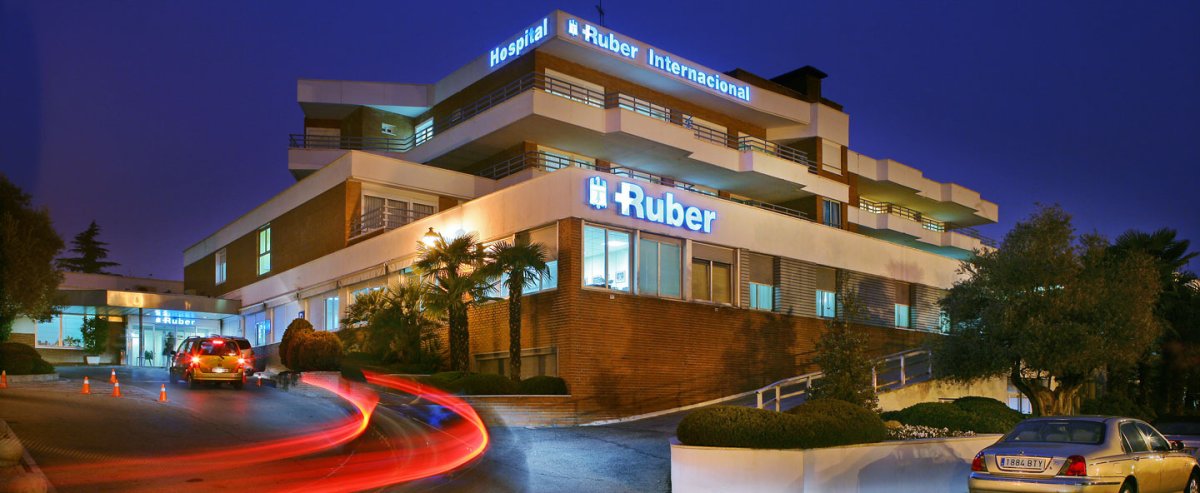
- المواقع الرئيسية: تشمل المراكز الكبرى مدريد وماربيلا، والتي تستضيف مراكز عالية الكفاءة مثل مستشفى روبير الدولي (Hospital Ruber Internacional).
- الوصول التكنولوجي: تقدم العيادات كلاً من القسطرة القلبية التداخلية وتصوير الشرايين التاجية بالأشعة المقطعية غير التداخلية.
- المعايير السريرية: تحافظ معظم المراكز على شهادات ISO وتوفر وصولاً فوريًا إلى الدعم الجراحي.
رؤية خبير Bookimed: بينما تركز العديد من المرافق الأوروبية على القسطرة القياسية، تدمج المراكز الإسبانية الخاصة مثل مستشفى روبير الدولي بين التصوير بالرنين المغناطيسي 3-Tesla والتصوير المقطعي المتقدم. وهذا يسمح للمرضى بالخضوع لفحص غير تداخلي قبل الالتزام بالوصول الشرياني التداخلي، مما يجنبهم في كثير من الأحيان فترات الإقامة غير الضرورية في المستشفى.
إجماع المرضى: يؤكد المرضى على أهمية التأكد مما إذا كان الموعد مخصصًا لفحص الأشعة المقطعية غير التداخلي أم القسطرة التداخلية التقليدية. يقدر معظمهم أن أطباء القلب الإسبان يفضلون نهج الشريان الكعبري، مما يسمح بتعافٍ أسرع وأكثر راحة.