عيادات إعادة التأهيل القلبي (لكل يوم واحد) في كوريا الجنوبية


تمت مراجعة المقالة طبيا من قبل
فهد مولود
ما هي تكلفة إعادة التأهيل القلبي (لكل يوم واحد) في كوريا الجنوبية؟ اكتشف الآن
تتراوح تكلفة إعادة التأهيل القلبي في كوريا الجنوبية للمرضى الدوليين ما بين $1,800 و $4,000 . يعتمد السعر النهائي على مدة البرنامج، ونوع الإقامة داخل أو خارج المستشفى، ومستوى المنشأة في مدن مثل سيول أو سونغنام أو إنتشون. تشمل البرامج عادةً الإشراف الطبي ومتابعة التمارين وتقديم استشارات نمط الحياة.
- إعادة التأهيل داخل المستشفى: تبدأ التكلفة عادةً من 8,500 $ للإقامات الشاملة في المستشفيات الرقمية المتقدمة.
- برامج التمارين المُشرف عليها: تزيد تكلفتها في سيول بنحو 20-25 % مقارنةً بالمراكز الإقليمية.
- الإشراف الطبي: يشكل عادةً الجزء الأكبر من الرسوم اليومية للمرضى الخارجيين.
- العلاج المدعوم بالروبوت: يضيف حوالي 30 % إلى التكلفة الأساسية عند استخدام معدات متخصصة.
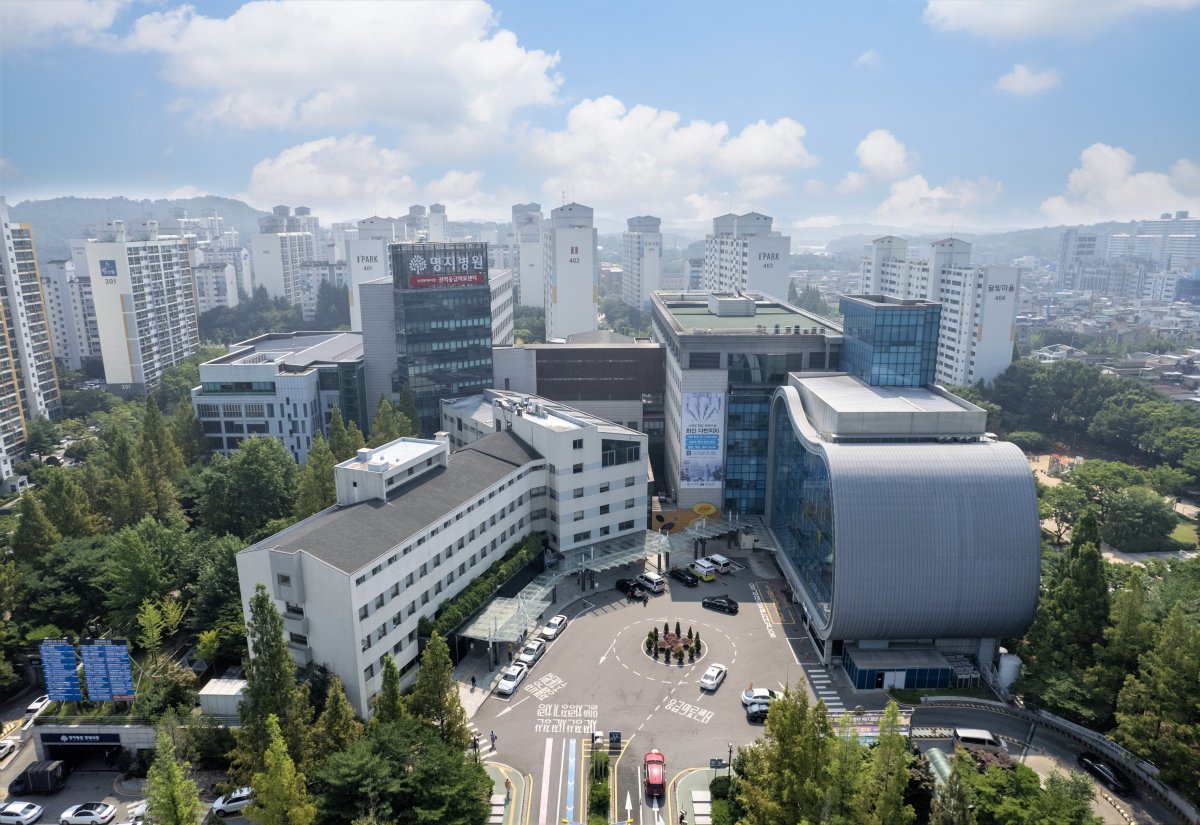
رأي خبراء Bookimed: يوفر اختيار مؤسسة عريقة مثل مستشفى سيفيرانس قيمة استثنائية بفضل اعتماد JCI وتصنيفات نيوزويك. رغم أن الإقامة الداخلية تندرج ضمن فئة الرعاية المتميزة، تضمن تقنيات الذكاء الاصطناعي والمباني الذكية مسارات تعافي فعالة جداً. يمكن للمرضى تلقي الرعاية من خبراء عالميين مثل سانغ هون شين. يقود هؤلاء الخبراء فرقاً متعددة التخصصات عبر 3,700 سرير. غالباً ما يؤدي هذا الحجم الكبير إلى هيكلة أسعار أكثر دقة وقابلية للتنبؤ للزوار الدوليين.
| كوريا الجنوبية | تركيا | إسبانيا | |
|---|---|---|---|
| إعادة التأهيل القلبي (لكل يوم واحد) | ≈ $1,800 | من $210 | ≈ $1,100 |
مزاياك وضماناتك مع Bookimed
أسعار مباشرة
Bookimed لا يضيف رسوماً إضافية على أسعار إعادة التأهيل القلبي (لكل يوم واحد). الأسعار مأخوذة من قوائم الأسعار الرسمية للعيادات. تدفع مباشرة في العيادة مقابل إعادة التأهيل القلبي (لكل يوم واحد) عند وصولك.
عيادات وأطباء معتمدون فقط
Bookimed ملتزم بسلامتك. نحن نعمل فقط مع المؤسسات الطبية التي تحافظ على معايير دولية عالية في إعادة التأهيل القلبي (لكل يوم واحد) ولديها التراخيص اللازمة لخدمة المرضى الدوليين في جميع أنحاء العالم.
مساعدة مجانية على مدار الساعة
Bookimed يقدم مساعدة خبراء مجانية. منسق طبي شخصي يدعمك قبل وأثناء وبعد العلاج، ويحل أي مشاكل. لن تكون وحيداً أبداً في رحلة إعادة التأهيل القلبي (لكل يوم واحد).

منسقك الطبي الشخصي في Bookimed
- يدعمك في كل مرحلة
- المساعدة في اختيار العيادة الطبية المناسبة والطبيب المناسب
- يضمن الوصول السريع والمريح إلى المعلومات
اكتشف أفضل إعادة التأهيل القلبي (لكل يوم واحد) العيادات في كوريا الجنوبية: 3 خيارات معتمدة والأسعار





نظرة عامة على إعادة التأهيل القلبي (لكل يوم واحد) في كوريا الجنوبية
يعزز هذا العلاج المهارات الحركية والإدراك من خلال حركات الرأس الموجهة بالكمبيوتر.
- علاج سنوزلن - من $180
هذا العلاج عبارة عن تقنية تحفيز حسي تعزز الاسترخاء والفرح ، وغالبًا ما تستخدم للأشخاص ذوي الإعاقة.
- علاج فويتا - Vojta Therapy - من $1,100
يساعد هذا العلاج في تحسين المهارات الحركية من خلال حركات محددة ، ومناسبة للحالات العصبية ، مما يوفر تعافيًا أسرع وتنسيقًا أفضل.
- علاج بوباث الطبيعي - من $1,800
هذا العلاج هو نهج متخصص للحالات العصبية ، وتحسين القدرة على الحركة والوظيفة من خلال تمارين مخصصة.
- علاج غروس - من $2,200
يساعد هذا العلاج في تحسين المهارات الحركية من خلال تكرار الحركة وتدريب العضلات واللعب الإبداعي.
- إعادة تأهيل لمرض التصلب المتعدد - من $3,800
يساعد هذا العلاج في إدارة الأعراض وتحسين الوظيفة لدى المرضى الذين يعانون من اضطراب مزمن في الجهاز العصبي.
- إعادة التأهيل القلبي (لكل يوم واحد) - من $1,800
يساعد هذا العلاج مرضى القلب على استعادة قوتهم ومنع تطور الحالة وتحسين الصحة العامة.
يساعد العلاج في استعادة القدرات البدنية والمعرفية بعد السكتة الدماغية ، بما في ذلك جلسات تمارين وعلاج يومية مخصصة.
اليوم الأول: الوصول
- وصول المريض إلى المطار.
- نقل من المطار إلى الفندق.
- الراحة والتأقلم.
اليوم الثاني: ما قبل العملية
- الانتقال من الفندق إلى العيادة.
- التشاور مع أخصائيي أمراض القلب.
- إجراء الفحوصات الطبية بما في ذلك فحص الأوعية الدموية الطرفية.
- إجراءات إضافية إذا لزم الأمر.
اليوم الثالث: إعادة تأهيل القلب
- اخضع لإعادة تأهيل أمراض القلب.
- سيتم شرح تفاصيل العملية من قبل المتخصص.
- سيتم مشاركة نوع التخدير والتفاصيل الأخرى.
- عادة ما تستمر إعادة التأهيل لعدة ساعات.
اليوم الرابع: ما بعد العملية
- إجراءات ما بعد العملية في العيادة.
- فترة النقاهة تحت إشراف طبي.
- العودة إلى الفندق.
الأسبوع الأول إلى الأسبوع الرابع: إعادة التأهيل
- الراحة والعلاج الطبيعي تحت التوجيه.
- متابعة الاستشارات مع المختصين.
- الانتقال من الفندق إلى العيادة للمتابعة.
الأسبوع الخامس وما بعده
- يعود معظم المرضى إلى العمل.
- العودة التدريجية للأنشطة الرياضية.
- استمرار الالتزام بالنصائح الطبية.
يرجى ملاحظة أن الجداول الزمنية للتعافي الفردي قد تختلف بناءً على الظروف الصحية الشخصية وخصائص برنامج إعادة التأهيل.
- إيداع Bookimed: 200 دولار أو 200 يورو.
- وديعة العيادة: ادفع نسبة محددة مقدمًا.
مشاركة المحتوى
قصص فيديو من مرضى Bookimed
 Anna Leonova
حقائق سريعة عن إعادة التأهيل القلبي (لكل يوم واحد)
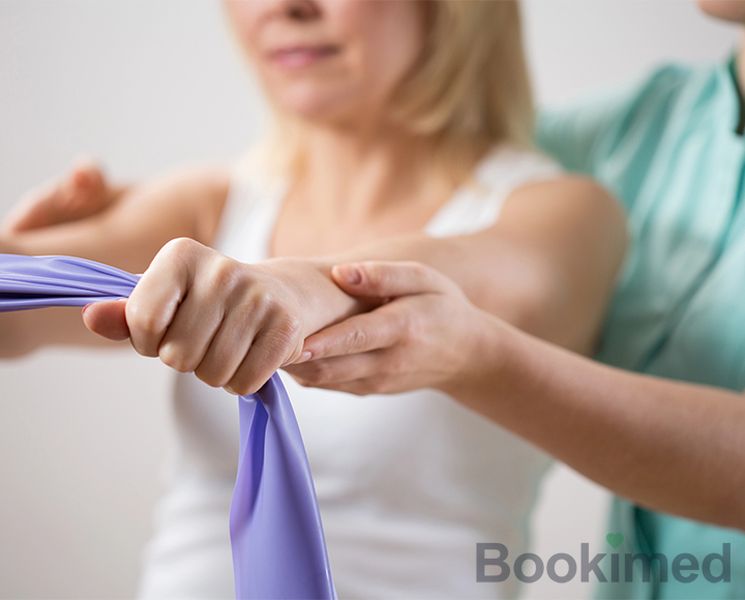
إعادة التأهيل القلبي
يتضمن برامج منظمة مصممة لتحسين صحة القلب والأوعية الدموية والوظائف البدنية بعد الحالات المتعلقة بالقلب.
أسئلة متكررة حول إعادة التأهيل القلبي (لكل يوم واحد) في كوريا الجنوبية
هل أحتاج إلى تأشيرة لكوريا الجنوبية؟
ما هو مستوى الطب في كوريا الجنوبية؟
الرعاية الصحية هي قطاع التنمية الرئيسي للحكومة الكورية. السلطات الكورية مقتنعة بأن رعاية صحة المواطنين يجب أن تكون أولوية غير مشروطة لسياسة الدولة ، وتنفق سنويًا حوالي مليار دولار لجذب السياح الطبيين.
وفقًا لمارك بريتنيل ، تهيمن المستشفيات على نظام الرعاية الصحية. 94٪ من المستشفيات مملوكة للقطاع الخاص.
ما هي أشهر جراحات التجميل؟
وفقًا لإحصاءات ASPS ، تم إجراء 17.7 مليون عملية تجميل و 5.8 مليون عملية ترميمية في عام 2018. تشمل الإجراءات التجميلية الأكثر شيوعًا ما يلي:
- تكبير الثدي
- شفط الدهون
- عملية تجميل الأنف
- جراحة الجفن
- شد البطن.
تعد إزالة الورم ، والتئام الدموع ، وجراحة الوجه والفكين ، ومراجعة الندبات ، وجراحة اليد من أكثر العمليات شيوعًا في سياق الجراحة الترميمية.
ما هي المستندات المطلوبة لتقديم طلب تأشيرة لكوريا الجنوبية للعلاج؟
تتطلب تأشيرات السفر إلى كوريا الجنوبية عددًا من المستندات . يمكن تقديم الأوراق اللازمة قبل 90 يومًا من المغادرة المخطط لها. قائمة الوثائق تشمل:
- بطاقة الهوية
- تأكيد التسجيل عبر الإنترنت وملء الاستبيان
- شهادة الدخل وتوافر الأموال
- بوليصة تأمين للإقامة في كوريا الجنوبية (أصلية ونسخة)
- صورتان (5x6)
- الحصول على تأشيرة
- حجز الطيران والفنادق
- رأي الطبيب في الحاجة للعلاج.
ما الذي تريد معرفته عن كوريا الجنوبية قبل السفر؟
عملة | وون كوري جنوبي (الدفع مقابل الخدمات ممكن أيضًا بالدولار) |
أفضل فترة للسفر | أبريل ومايو ويونيو أو سبتمبر وأكتوبر ونوفمبر. |
لغة | الكورية (معظم الطاقم الطبي يتحدث الإنجليزية بطلاقة) |
تأشيرة | غير مطلوب للإقامة لمدة تصل إلى 90 يومًا أو أقل |
فارق التوقيت مع أوروبا | الساعة 9 |
فارق التوقيت من الولايات المتحدة الأمريكية | الساعة 9 |
عاصمة | سيول |
في كوريا الجنوبية ، توجد فنادق ذات نطاقات أسعار ومستويات خدمة مختلفة. يختار معظم السياح فنادق 4 و 5 نجوم مع وجبات شاملة كليًا. تحتوي هذه الفنادق على كل شيء لإقامة مريحة: طعام متنوع ، منطقة كبيرة جيدة الإعداد ، رسوم متحركة للأطفال والكبار. تحتوي بعض الفنادق على حديقة مائية خاصة بها ، والتي يمكن للضيوف استخدامها مجانًا. يمكن للمسافرين ذوي الميزانية المحدودة حجز فندق اقتصادي من فئة 3 نجوم مع إقامة مع وجبتي طعام أو بدون وجبات على الإطلاق. |