Stem Solutions
المكسيك, مونتيري


تمت مراجعة المقالة طبيا من قبل
فهد مولود
تتراوح تكلفة العلاج بالخلايا الجذعية لمرض ألزهايمر في المكسيك بين السعر عند الطلب و السعر عند الطلب. يعتمد السعر على إجمالي عدد الخلايا، وطريقة الإعطاء، وموقع العيادة المحدّد. تشمل معظم الباقات المكسيكية استشارات طبية، وحقن خلايا متخصصة، وخدمات تنقّل VIP من المطار إلى الفندق.
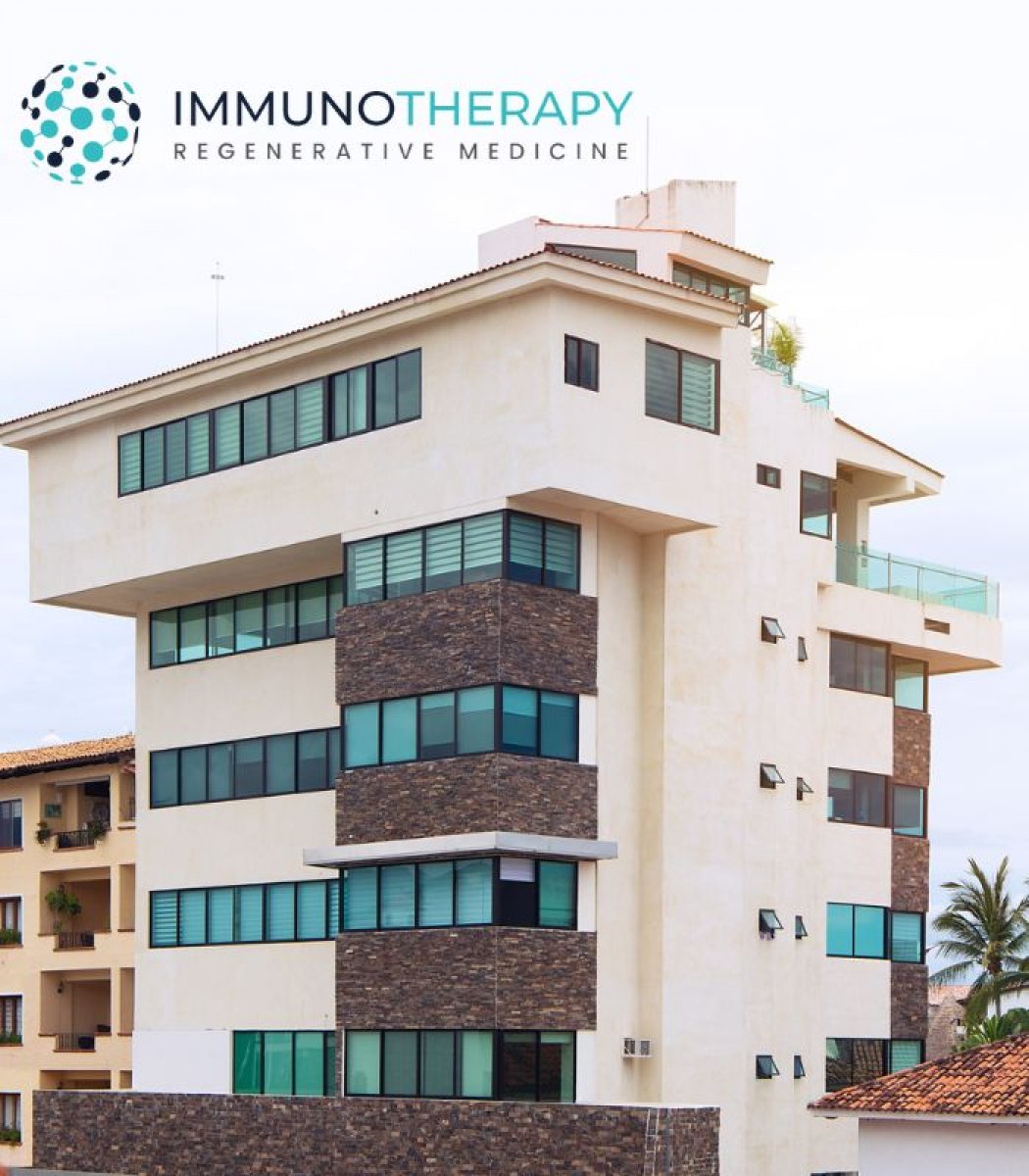
رأي خبراء Bookimed: اختيار عيادة حاصلة على شهادات متخصصة يضمن توازناً مثالياً بين القيمة والأمان. على سبيل المثال، تمتلك عيادة Immunotherapy Regenerative Medicine اعتماد CSG من المجلس الصحي العام في المكسيك. يضمن ذلك جودة خدمة عالية للحالات العصبية المعقدة. بالنسبة للتخطيط الاقتصادي، توفر عيادات Giostar في كانكون أو بلايا ديل كارمن أسعاراً شفافة ومتدرجة. تبدأ باقاتهم من حوالي 4,900 $ مقابل 35 مليون خلية، وتشمل إقامة في فنادق 3 نجوم.
هذا العلاج هو علاج باستخدام خلايا الجسم لإصلاح الأنسجة التالفة. إنه فعال وآمن ومتعدد الاستخدامات.
يستخدم هذا العلاج خلايا الشخص لإصلاح المفاصل التالفة ، وتقليل الألم والالتهابات المصاحبة لالتهاب المفاصل.
يستخدم هذا العلاج خلايا الجسم لإصلاح تلف الدماغ المرتبط بالتوحد ، مما يوفر سلوكًا اجتماعيًا محسنًا.
يستخدم هذا العلاج الخلايا المتجددة لعلاج تلف الدماغ وتحسين الوظائف الحركية لدى الأشخاص المصابين بالشلل الدماغي.
يستخدم هذا العلاج الخلايا التي يحافظ عليها الجسم لإبطاء تقدم مرض باركنسون ، وتعزيز وظائف المخ وقدرته على الحركة.
يستخدم هذا العلاج الخلايا الجذعية لإصلاح خلايا البنكرياس التالفة ، والسيطرة على أعراض مرض السكري.
يعتمد هذا العلاج على إمكانات الشفاء الذاتي ، عن طريق حقن الخلايا المحصودة في مفاصل الركبة لإصلاح الغضروف التالف.
يستخدم هذا العلاج الخلايا الجذعية لإصلاح الخلايا والأنسجة التالفة وتحسين صحتك.

الدكتورة آنا لارا هي أخصائية في الطب التجديدي في Stem Solutions في مونتيري، المكسيك. وهي حاصلة على درجة الماجستير في التغذية التطبيقية والأبحاث من جامعة إيبيرو أميريكانا. تتخصص الدكتورة لارا في تجديد الخلايا الجذعية وصحة طول العمر. وهي تضمن امتثال جميع العلاجات للقوانين التنظيمية المكسيكية COFEPRIS.
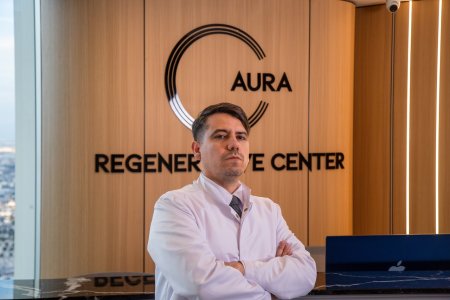
يتخصص الدكتور هيرنانديز في العلاج بالخلايا الجذعية لمرض الزهايمر، مع خلفية في طب الطوارئ تعزز دقته في العلاجات التجديدية.

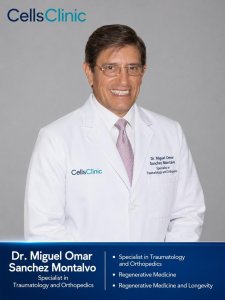
الدكتورة أدريانا جودينو هي أخصائية في الطب التجديدي والتجميلي في عيادة MER Clinic في كانكون. وقد وثقت أكثر من 200 حالة ناجحة في العلاج التجديدي. تركز الدكتورة جودينو على علاج السبب الجذري للحالات بدلاً من مجرد علاج الأعراض. وهي حاصلة على تخصص فرعي في الطب التجميلي من الأكاديمية الأمريكية للطب التجميلي في ميامي.
 Anna Leonova
يخضع العلاج بالخلايا الجذعية لمرض الزهايمر للتنظيم القانوني في المكسيك تحت إشراف اللجنة الفيدرالية للحماية من المخاطر الصحية (COFEPRIS). على الرغم من أن العلاج لا يزال في مرحلة تجريبية، يجب أن تحمل العيادات المرخصة تراخيص محددة في الطب التجديدي وأن تتبع بروتوكولات صارمة باستخدام الخلايا الوسيطة المشتقة من الحبل السري البشري.
رؤية خبير Bookimed: الفجوة بين عيادات العافية العامة والمراكز المتخصصة مثل Immunotherapy Regenerative Medicine واسعة جداً. تخدم المراكز عالية المستوى أكثر من 1200 مريض سنوياً وتوظف فرقاً متعددة التخصصات من الكيميائيين الحيويين وعلماء الأحياء. توفر هذه العيادات تقارير مفصلة عن فحص السموم الداخلية والحيوية التي غالباً ما تتجاهلها العمليات الأصغر والأقل تنظيماً. اختيار عيادة ذات تاريخ طويل، مثل تلك التي تأسست قبل عام 2010، يضمن عادةً التزاماً أفضل بالمعايير الدولية للتصنيع المعقم.
إجماع المرضى: يؤكد المرضى على التعامل مع هذه العلاجات كعلاجات تجريبية بدلاً من كونها علاجاً مضموناً. يوصي الكثيرون بالتحقق من تسجيلا
عادةً ما يلاحظ المرضى استقراراً طفيفاً وقصير المدى في الأعراض بدلاً من عكس قابل للقياس للتدهور المعرفي. تركز الفوائد الواقعية على تحسينات متواضعة في اليقظة والمزاج والشهية. يستهدف استخدام بروتوكولات الخلايا الجذعية الوسيطة في المرافق المعتمدة من قبل COFEPRIS الدعم الفسيولوجي من خلال الاستجابات البيولوجية المضادة للالتهابات.
تجمع العديد من العيادات مثل Immunotherapy Regenerative Medicine بين 20 عاماً من الخبرة وفرق متخصصة متنوعة. تخدم بعض المراكز ذات الحجم الكبير مثل Giostar Cancun 5000 مريض سنوياً مع لوجستيات راسخة.
إجماع المرضى: غالباً ما يُنظر إلى التحسن على أنه زيادات مؤقتة في اليقظة أو المزاج بدلاً من تحولات سريرية كبيرة. يؤكد المرضى على أهمية التحقق من خطط الاختبار الملموسة قبل بدء العلاج لإدارة التوقعات بفعالية.
تستخدم العيادات في المكسيك بشكل أساسي الخلايا الجذعية الوسيطة المشتقة من الحبل السري لعلاج مرض الزهايمر بسبب خصائصها المعدلة للمناعة. يتم اختيار هذه الخلايا المعتمدة من قبل COFEPRIS لتأثيراتها المضادة للالتهابات وإشاراتها المجاورة، والتي تساعد في إدارة الالتهاب العصبي دون المخاطر العالية لرفض المناعة الشائعة في العلاجات الأخرى.
رؤية خبير Bookimed: تكشف البيانات من العيادات الرائدة في مونتيري وبويرتو فالارتا عن تحول نحو البروتوكولات القائمة على الإكسوسومات. تقوم العديد من المراكز ذات الحجم الكبير الآن بدمج الخلايا الجذعية الوسيطة مع عوامل مفرزة لتعزيز الإشارات. يعطي هذا النهج الأولوية لجدوى الخلايا وإمكانية تتبعها، حيث تقدم العيادات شهادات تحليل رسمية للتحقق من الفعالية قبل الإعطاء.
إجماع المرضى: غالبًا ما يعطي المرضى الأولوية للخلايا المشتقة من الحبل السري لأنها تعتبر أكثر فعالية من نخاع العظم الذاتي من متبرعين أكبر سنًا. تؤكد التعليقات المتكررة أن معايير التعامل مع الخلايا في العيادة أكثر أهمية لراحة البال من مصدر الخلية نفسه.
تمارس الخلايا الجذعية تأثيراتها من خلال الإشارات المجاورة (paracrine signaling)، والحماية العصبية، وتعديل المناعة لمعالجة التنكس العصبي. في المكسيك، تستهدف الخلايا الجذعية الوسيطة (MSCs) وعلاجات الإكسوسومات مرض الزهايمر عن طريق الحقن الوريدي أو داخل القراب، مما يطلق جزيئات كيميائية حيوية تقلل الالتهاب وتحمي الخلايا العصبية الباقية من المزيد من الضرر الجسدي أو الكيميائي.
رؤية خبير Bookimed: بينما يعتقد الكثيرون أن الخلايا الجذعية تحل محل أنسجة المخ الميتة جسديًا، تشير البيانات من عيادات مثل Immunotherapy Regenerative Medicine إلى أن القيمة الحقيقية تكمن في الإفرازات الخلوية (secretome). غالبًا ما تجمع المراكز ذات الحجم الكبير بين الخلايا الجذعية الوسيطة وبروتوكولات تعتمد على الإكسوسومات. يركز هذا على الإشارات بدلاً من الاستبدال الهيكلي، مما يفسر سبب إعطاء العلاجات غالبًا عن طريق الوريد أو داخل القراب لزيادة الوصول الجهازي بدلاً من الجراحة الموضعية.
إجماع المرضى: غالبًا ما يلاحظ المرضى أن العلاج يعمل كدرع واقٍ للخلايا العصبية الباقية بدلاً من كون
يتم تقديم العلاج بالخلايا الجذعية لمرض الزهايمر في المكسيك عبر الحقن الوريدي (IV) أو الحقن داخل القراب للوصول إلى الجهاز العصبي المركزي. يتطلب البروتوكول الكامل عادةً إقامة من 3 إلى 14 يوماً في المكسيك للتقييم الطبي وجلسات العلاج والمراقبة.
رؤية خبير Bookimed: بينما تقدم العديد من العيادات المكسيكية بروتوكولات مدتها 3 أيام، غالباً ما تأتي النتائج الأكثر شمولاً من مواقع مثل Immunotherapy Regenerative Medicine. إنهم يستخدمون فرقاً من علماء الفيزياء الحيوية والكيمياء الحيوية بدلاً من مجرد ممارسين عامين. يتطلب هذا العمق في الخبرة عادةً إقامة أطول لمدة 10 أيام للسماح بالتحضير الخلوي الدقيق والمراقبة بعد الحقن.
إجماع المرضى: توقع قضاء معظم وقتك في فندق قريب بدلاً من سرير المستشفى. يؤكد المرضى على أهمية ترتيب وجود مقدم رعاية للمساعدة خلال فترة التعافي القصيرة قبل العودة إلى الوطن.