عيادات mesorectumrctonomy بالمنظار في إيطاليا


تمت مراجعة المقالة طبيا من قبل
فهد مولود
ما هي تكلفة mesorectumrctonomy بالمنظار في إيطاليا؟ اكتشف الآن
تتراوح تكلفة جراحة استئصال المساريق المستقيمي بالمنظار في إيطاليا بين $11,500 و $17,000 في المتوسط. يعتمد السعر النهائي على موقع المستشفى والتقنية الجراحية المستخدمة ومدة المراقبة داخل المستشفى. تغطي التكاليف القياسية عادةً الإجراء الجراحي والتخدير والرعاية اللاحقة للعملية مباشرة.
- موقع المستشفى: غالباً ما تفرض المنشآت الخاصة في ميلانو أو روما رسوماً أعلى مقارنة بالعيادات الإقليمية.
- التقنية الجراحية: قد يؤدي استخدام منصات روبوتية متطورة مثل Da Vinci إلى زيادة رسوم المعدات والغرف.
- الرعاية الداخلية: ترفع مستويات التعقيد التي تتطلب مراقبة مكثفة لفترة طويلة أو رعاية فغر اللفائفي المؤقت من قيمة الفاتورة.
- مستوى المنشأة: تفرض المراكز المتخصصة للغاية والحاصلة على اعتمادات دولية أسعاراً متميزة للجراحة.
رأي خبراء Bookimed: يستفيد المرضى من المراكز ذات الكثافة العالية مثل مستشفى ماريا سيسيليا أو مستشفى سان كارلو دي نانسي. تعد هذه العيادات جزءاً من شبكة GVM Care & Research. وهي توفر معايير معتمدة من اللجنة الدولية المشتركة (JCI) في بولونيا وروما. يضمن اختيار هذه المراكز المرموقة الوصول إلى أكثر من 145 متخصصاً وتقنيات روبوتية متطورة. يقدم هذا المزيج قيمة ممتازة مقارنة بالمنشآت الإقليمية الأصغر والأقل تخصصاً.
| إيطاليا | تركيا | إسبانيا | |
|---|---|---|---|
| mesorectumrctonomy بالمنظار | ≈ $11,500 | من $37,900 | من $19,100 |
مزاياك وضماناتك مع Bookimed
أسعار مباشرة
Bookimed لا يضيف رسوماً إضافية على أسعار mesorectumrctonomy بالمنظار. الأسعار مأخوذة من قوائم الأسعار الرسمية للعيادات. تدفع مباشرة في العيادة مقابل mesorectumrctonomy بالمنظار عند وصولك.
عيادات وأطباء معتمدون فقط
Bookimed ملتزم بسلامتك. نحن نعمل فقط مع المؤسسات الطبية التي تحافظ على معايير دولية عالية في mesorectumrctonomy بالمنظار ولديها التراخيص اللازمة لخدمة المرضى الدوليين في جميع أنحاء العالم.
مساعدة مجانية على مدار الساعة
Bookimed يقدم مساعدة خبراء مجانية. منسق طبي شخصي يدعمك قبل وأثناء وبعد العلاج، ويحل أي مشاكل. لن تكون وحيداً أبداً في رحلة mesorectumrctonomy بالمنظار.

منسقك الطبي الشخصي في Bookimed
- يدعمك في كل مرحلة
- المساعدة في اختيار العيادة الطبية المناسبة والطبيب المناسب
- يضمن الوصول السريع والمريح إلى المعلومات
اكتشف أفضل mesorectumrctonomy بالمنظار العيادات في إيطاليا: 3 خيارات معتمدة والأسعار







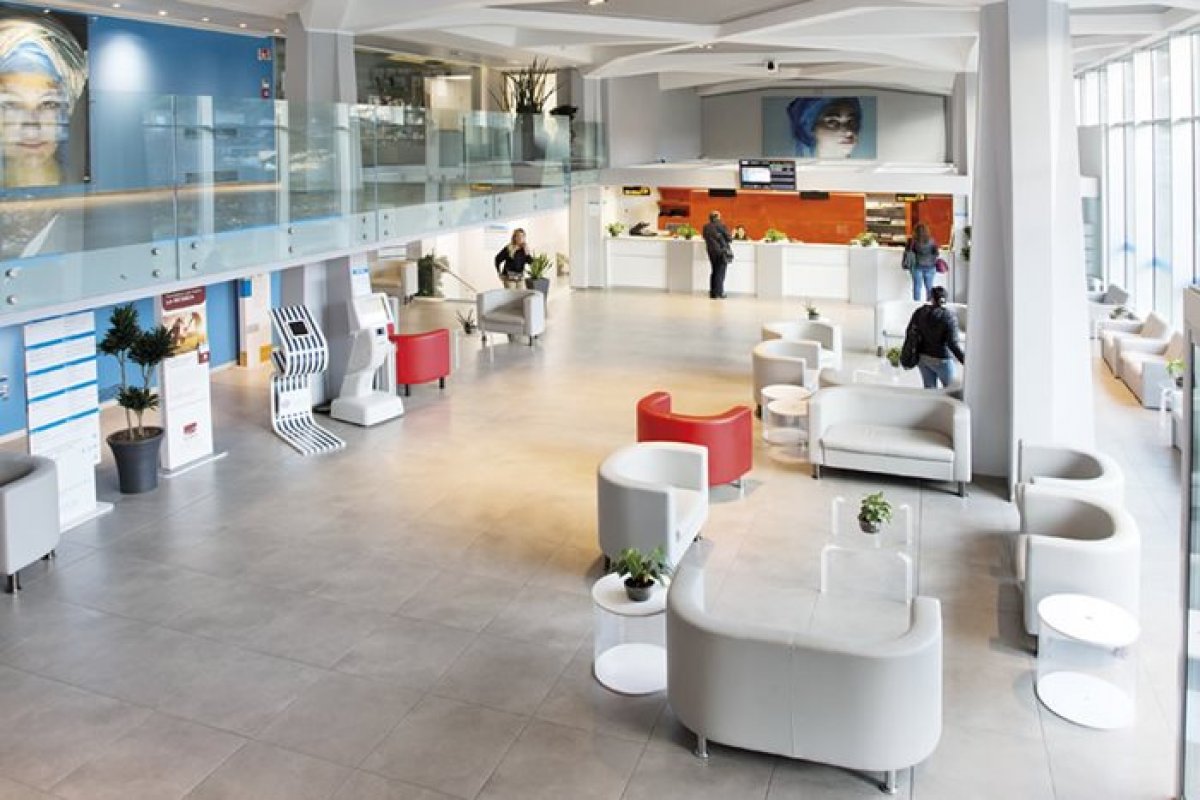

نظرة عامة على mesorectumrctonomy بالمنظار في إيطاليا
- استئصال سرطان القولون - من $15,500
تقضي هذه العملية على أورام القولون الخبيثة ، وتحسن نوعية الحياة وتمنع النقائل.
- مجموع استئصال mesorectumect الروبوتية - من $13,500
العملية عبارة عن إزالة المستقيم بمساعدة الروبوت ، مما يعزز الدقة ويقلل الصدمات ويسرع من تعافي المريض.
- الضوئي - من $350
يستخدم هذا العلاج الحرارة من الضوء لتقليص أو سد الأوعية الدموية ، وغالبًا ما يعالج حالات مثل انفصال الشبكية.
- استئصال القولون - من $13,500
يقوم هذا الإجراء بإزالة جزء من القولون أو كله لعلاج الأمراض وتعزيز الهضم والصحة العامة.
- استئصال المستقيم - من $18,000
يزيل الإجراء جزءًا من المستقيم لعلاج حالات مثل السرطان ، مما يضمن معدل بقاء أعلى.
- mesorectumrctonomy بالمنظار - من $11,500
تتضمن العملية جراحة طفيفة التوغل لإزالة المستقيم ، عادةً لسرطان المستقيم ؛ يوفر تعافيًا سريعًا وألمًا أقل.
- استئصال الدم من القولون الدموي - من $11,500
هذه العملية تزيل نصف القولون لعلاج أمراض القولون والمستقيم ، وتساعد المريض على التعافي وتقليل المخاطر المستقبلية.
اليوم الأول - الوصول
- تسجيل الوصول عند استقبال المنشأة الطبية.
- أكمل الأوراق اللازمة واستمارات التاريخ الطبي.
اليوم 2 - ما قبل العملية
- التشاور مع أخصائي جراحة الأورام وطبيب التخدير.
- يتم إجراء فحوصات الدم والتصوير بالأشعة.
- الفحص البدني وتقييم مخاطر التخدير.
- يتم إعطاء التعليمات الغذائية لتحضير الأمعاء.
اليوم الثالث - الجراحة
- يتم إجراء جراحة استئصال الرحم بالمنظار تحت التخدير العام.
- تستغرق العملية عادة 2-4 ساعات.
- أثناء الجراحة ، تتم إزالة المستقيم والمستقيم المصاب.
- يمكن إنشاء فغر القولون المؤقت إذا لزم الأمر.
اليوم 4 - بعد العملية
- الشفاء في وحدة رعاية ما بعد التخدير.
- يتم توفير تعليمات إدارة الألم والعناية بالجروح.
- تبدأ جلسات العلاج الطبيعي للتعبئة المبكرة.
اليوم 5-10 - الإقامة في المستشفى
- مراقبة العلامات الحيوية والتئام الجروح.
- تعديل خطة إدارة الألم إذا لزم الأمر.
- العودة التدريجية للأطعمة الصلبة.
- تخطيط الخروج مع فريق الرعاية الصحية.
الأسبوع 2-6 - إعادة التأهيل
- الزيادة التدريجية في الأنشطة البدنية.
- رعاية فغر القولون وإدارة النظام الغذائي.
- زيارات المتابعة مع الجراح وأخصائي الأورام.
- بحلول الأسبوع السادس ، غالبًا ما تكون العودة إلى العمل ممكنة.
الأسبوع 6-12 - النتيجة النهائية
- يرى معظم المرضى النتيجة النهائية بحلول الأسبوع 12.
- استئناف معظم الرياضات والأنشطة العادية.
يرجى ملاحظة أن أوقات التعافي الفردية قد تختلف بناءً على العوامل الشخصية والطبية. دائما استشر مقدم الرعاية الصحية الخاص بك للحصول على مشورة شخصية.
- إيداع Bookimed: 200 دولار أو 200 يورو.
- وديعة العيادة: ادفع نسبة محددة مقدمًا.
قصص فيديو من مرضى Bookimed
المراجعات
جميع المراجعات


مشاركة المحتوى
 Anna Leonova
أسئلة متكررة حول mesorectumrctonomy بالمنظار في إيطاليا
ما هو استئصال المساريق المستقيمي الكلي (TME) بالمنظار؟
استئصال المساريق المستقيمي الكلي (TME) بالمنظار هو معيار جراحي طفيف التوغل لعلاج سرطان المستقيم. يقوم الجراحون بإزالة المستقيم والدهون المساريقية المحيطة التي تحتوي على العقد الليمفاوية من خلال شقوق صغيرة. هذا التشريح الدقيق يقلل من تكرار الورم مع حماية أعصاب الحوض ووظيفة الأمعاء.
- التقنية الجراحية: تستخدم منافذ صغيرة وكاميرات لتصوير الحوض بدقة عالية.
- الأهداف الأورامية: إزالة غلاف المساريق المستقيمي بالكامل لضمان حواف نظيفة.
- جدول التعافي: يستأنف المرضى عادةً العمل الخفيف في غضون 4 إلى 6 أسابيع.
- الحفاظ على الأعصاب: حماية الأعصاب اللاإرادية للحفاظ على صحة المثانة والوظيفة الجنسية.
رؤية خبير Bookimed: تُظهر البيانات أن المراكز الإيطالية مثل Ospedale San Carlo di Nancy تؤكد على استخدام TME بمساعدة الروبوت للحالات المعقدة. على الرغم من أن التحويل من المنظار إلى الجراحة المفتوحة يحدث في 10-20% من الحالات الصعبة، فإن اختيار المراكز ذات الحجم الكبير التي تستقبل أكثر من 15,000 حالة دخول سنويًا يحسن معدلات النجاح بشكل كبير.
إجماع المرضى: يجد العديد من المرضى أن التعافي لمدة 4 أسابيع أسرع بكثير من الجراحة التقليدية. يوصون ببدء تمارين قاع الحوض مبكرًا والاحتفاظ بأدوية مضادة للإسهال جاهزة للأشهر الستة الأولى.
ما هي معدلات نجاح استئصال المستقيم في إيطاليا؟
تتراوح معدلات نجاح استئصال المستقيم في إيطاليا بين 85% إلى 90% للنتائج الجراحية الإجمالية. يحقق الجراحون إزالة ناجحة للورم في 95% من الحالات. يرى المرضى في المراحل المبكرة معدل بقاء على قيد الحياة لمدة خمس سنوات بنسبة 93%. تعمل الفرق متعددة التخصصات على تحسين معدل البقاء على قيد الحياة لمدة عام واحد بشكل كبير ليصل إلى 90% في المرافق الإيطالية الرائدة.
- نجاح الاستئصال: يزيل الجراحون الأورام بنجاح في 95% من إجراءات استئصال المستقيم.
- معدلات البقاء على قيد الحياة: يصل معدل البقاء على قيد الحياة لمدة خمس سنوات إلى 93% للمرحلة الأولى و83% للمرحلة الثانية.
- الدقة الجراحية: تُستخدم تقنيات تنظير البطن طفيفة التوغل في 83.5% من عمليات الاستئصال في إيطاليا.
- ملف الأمان: تظل الوفيات بعد الجراحة منخفضة عند 1.2% لجراحات المستقيم الاختيارية.
رؤية خبير Bookimed: تُظهر البيانات زيادة هائلة في معدل البقاء على قيد الحياة بنسبة 28% عند استخدام فرق متعددة التخصصات. تستخدم عيادات مثل مستشفى ماريا سيسيليا هذه الفرق المتخصصة للحالات البطنية المعقدة. كما تعمل المراكز ذات الخبرة العالية على تقليل فترات الإقامة في المستشفى. يعود مرضى تنظير البطن إلى منازلهم في غضون 3-5 أيام مقابل 7 أيام أو أكثر للجراحة المفتوحة.
إجماع المرضى: يسلط المرضى الضوء بشكل متكرر على التكنولوجيا المتقدمة المتاحة في روما وبولونيا. يعبر الكثيرون عن ارتياحهم للدقة العالية للأنظمة المساعدة بالروبوت. إنهم يقدرون أوقات التعافي الأقصر المرتبطة بتركيز إيطاليا على التقنيات طفيف
ما هي المخاطر المحددة لاستئصال المساريق المستقيمي الكلي (TME) بالمنظار؟
تشمل مخاطر استئصال المساريق المستقيمي الكلي (TME) بالمنظار تسرب المفاغرة في 3% إلى 20% من الحالات، وخلل الوظيفة البولية التناسلية نتيجة إصابة أعصاب الحوض. تتطلب حوالي 14.5% من الإجراءات التحويل إلى جراحة مفتوحة بسبب صعوبات تقنية مثل السمنة أو ضيق الحوض.
- فشل المفاغرة: يحدث انهيار في الاتصال بين أجزاء الأمعاء لدى 3% إلى 20% من المرضى.
- المضاعفات الوظيفية: يؤثر احتباس البول أو العجز الجنسي على 20% إلى 30% من المرضى بعد الجراحة.
- إيجابية الحواف: يحدث استئصال غير كامل للورم في ما يصل إلى 15% من حالات المنظار.
- التحويل الجراحي: يتم تحويل حوالي 15% من الحالات إلى شقوق مفتوحة لسلامة المريض.
رؤية خبير Bookimed: تحافظ المراكز الإيطالية مثل مستشفى ماريا سيسيليا على اعتماد اللجنة الدولية المشتركة (JCI) للسلامة. تظهر البيانات أن TME الروبوتية توفر غالبًا معدلات تحويل أقل من طرق المنظار للأورام المنخفضة. اختيار الجراحين في روما أو بولونيا الذين يجرون أكثر من 20 حالة TME سنويًا يحسن النتائج.
إجماع المرضى: يعاني العديد من المرضى من إلحاح معوي كبير أو إسهال لعدة سنوات بعد الإجراء. يوصي الخبراء ببدء العلاج الطبيعي لقاع الحوض وتوفير الأدوية الموصى بها قبل تاريخ الجراحة.
ما مدى شيوع جراحة القولون والمستقيم بالمنظار في إيطاليا؟
تعد جراحة القولون والمستقيم بالمنظار شائعة للغاية في إيطاليا، حيث تمثل حوالي 83% من جميع الإجراءات الاختيارية على مستوى البلاد. يعكس هذا معياراً مهماً للرعاية في المراكز المعتمدة من قبل اللجنة الدولية المشتركة (JCI) مثل مستشفى ماريا سيسيليا، حيث يتم إعطاء الأولوية للتقنيات طفيفة التوغل لاستئصال السرطان المعقد والحالات المزمنة.
- تكرار الإجراء: يعد المنظار هو المعيار السائد لأكثر من 83% من حالات سرطان القولون والمستقيم الاختيارية.
- الإعدادات السريرية: يصل معدل الاعتماد إلى 76% في المستشفيات الصغيرة، بينما تحافظ المراكز الثالثية على أحجام أعلى.
- معدلات التحويل: لا يزال التحول إلى الجراحة المفتوحة منخفضاً، وعادة ما يتراوح بين 5% إلى 10% من الحالات.
- الاختلاف الإقليمي: غالباً ما تبلغ المستشفيات الجامعية في الشمال عن معدلات اعتماد للمنظار تتجاوز 90% لجراحات استئصال المستقيم الكلي (TME).
رؤية خبير Bookimed: بينما تحافظ إيطاليا على واحدة من أعلى معدلات الاعتماد الوطنية في أوروبا، توجد فجوة في الحجم الإقليمي. تظهر البيانات أن المستشفيات الكبرى مثل مستشفى سان كارلو دي نانسي في روما تتعامل مع أكثر من 15,000 حالة دخول سنوياً، مما يضمن احتفاظ الجراحين بأحجام الحالات العالية اللازمة لمعدلات تحويل منخفضة. يجب على المرضى التحقق من أحجام الحالات الفردية للجراحين، والبحث تحديداً عن أولئك الذين يجرون أكثر من 50 حالة بالمنظار سنوياً لضمان السلامة المثلى.
إجماع المرضى: يلاحظ المرضى أنه بينما تعتمد المراكز الرئيسية في ميلانو أو روما على ط
كيف تقارن فترة التعافي بعد جراحة استئصال المساريق الكلي (TME) بالمنظار مقابل الجراحة المفتوحة؟
عادة ما يكون التعافي بعد استئصال المساريق الكلي (TME) بالمنظار أسرع وأقل إيلاماً من الجراحة المفتوحة. يستفيد المرضى من فترات إقامة أقصر في المستشفى، وعودة مبكرة لوظيفة الأمعاء، وتقليل استخدام المسكنات المخدرة. يستأنف معظم المرضى الأنشطة الخفيفة في غضون 14 يوماً، مقارنة بـ 6 أسابيع في الإجراءات المفتوحة.
- الإقامة في المستشفى: يغادر المرضى المستشفى عادةً في غضون 3 إلى 5 أيام بعد جراحة TME بالمنظار.
- وظيفة الأمعاء: تحدث الأنشطة الهضمية الطبيعية واستئناف النظام الغذائي في وقت أبكر بكثير مما هو عليه في الجراحة المفتوحة.
- إدارة الألم: تؤدي الشقوق الأصغر إلى درجات ألم أقل وحاجة أقل للمسكنات المخدرة.
- مستوى النشاط: تستغرق العودة الكاملة للروتين اليومي عادةً 14 يوماً بدلاً من 8 أسابيع.
رؤية خبير Bookimed: تعطي المراكز الإيطالية مثل مستشفى ماريا سيسيليا الأولوية للسلامة من خلال الحفاظ على اعتماد اللجنة الدولية المشتركة (JCI). تظهر البيانات أن حجم عمليات الجراح هو المؤشر الأكثر أهمية للتعافي. يجب أن تسأل جراحك عن معدل التحويل الخاص به إلى الجراحة المفتوحة قبل الحجز. غالباً ما تحافظ المراكز ذات الحجم الكبير في روما وبولونيا على معدلات تحويل أقل بسبب التكنولوجيا المتقدمة.
إجماع المرضى: غالباً ما يشعر المرضى بتحسن سريع ولكن يجب عليهم تجنب الإفراط في النشاط خلال الشهر الأول. توقع أن تظل حركات الأمعاء غير متوقعة لمدة تصل إلى 12 أسبوعاً بغض النظر عن الطريقة الجراحية المستخدمة.
ما هي المستشفيات في إيطاليا المعترف بها لجراحة استئصال المساريق المستقيمي الكلي (TME) بالمنظار؟
تضم إيطاليا مراكز رائدة لجراحة استئصال المساريق المستقيمي الكلي (TME) بالمنظار، بما في ذلك مرافق معتمدة من اللجنة الدولية المشتركة (JCI) مثل مستشفى سان كارلو دي نانسي في روما ومستشفى سان رافاييل في ميلانو. تستخدم هذه المؤسسات تقنيات طفيفة التوغل لعلاج سرطان المستقيم مع الحفاظ على النتائج الوظيفية والأعصاب الحوضية.
- القيادة المتخصصة: يتمتع البروفيسور لويجي ماسوني في مستشفى سان كارلو دي نانسي بخبرة 37 عاماً.
- التميز الأكاديمي: يُصنف مستشفى أغوستينو جيميلي الجامعي كأفضل مستشفى إيطالي.
- حجم جراحي مرتفع: يجري مستشفى سان رافاييل أكثر من 52,000 عملية جراحية سنوياً في أقسام متطورة.
- التركيز الأورامي: يتخصص المعهد الأوروبي للأورام (IEO) في تقنيات مبتكرة لعلاج سرطانات البطن والحوض.
رؤية خبير Bookimed: تدمج المراكز الإيطالية مثل مستشفى سان كارلو دي نانسي الروبوتات المتقدمة مع الخبرة في التنظير. بينما يتم خدمة 15,000 مريض سنوياً هناك، توفر المراكز ذات الحجم الكبير في روما وميلانو غالباً وصولاً أفضل إلى الزمالات المتخصصة في جراحة القولون والمستقيم. اختيار مركز يتمتع بتكنولوجيا جراحية متنوعة يضمن المرونة إذا أصبح النهج المدعوم بالروبوت ضرورياً أثناء الإجراء.
إجماع المرضى: غالباً ما يعطي المرضى الأولوية لحجم الحالات الخاص بالجراح ومعدلات التحويل المنخفضة إلى الجراحة المفتوحة على حساب تصنيفات المستشفيات العامة. يُنظر إلى النجاح في جراحة TME بالمنظار على نطاق واسع على أنه يعتمد على العثور على متخصصين معتمدين في القولون والمستقيم داخل
هل جراحة استئصال المساريق المستقيمي الكلي (TME) الروبوتية متاحة في إيطاليا وكيف تقارن بغيرها؟
تتوفر جراحة استئصال المساريق المستقيمي الكلي (TME) الروبوتية على نطاق واسع في إيطاليا في مراكز متخصصة في ميلانو وروما وبولونيا. باستخدام نظام دافنشي الروبوتي، يحقق الجراحون دقة أعلى في مساحة الحوض الضيقة مقارنة بالطرق التنظيرية القياسية، مما يؤدي إلى انخفاض معدلات التحويل إلى الجراحة المفتوحة.
- التكنولوجيا المتاحة: تستخدم معظم المراكز المتخصصة نظام دافنشي الروبوتي لعلاج سرطان المستقيم.
- الدقة الجراحية: توفر الروبوتات رؤية ثلاثية الأبعاد عالية الدقة و7 درجات من حركة الأدوات.
- الوصول الإقليمي: تتركز المراكز الروبوتية الرئيسية في ميلانو وروما ومناطق شمال إيطاليا.
- الفوائد السريرية: توفر جراحة TME الروبوتية حماية أفضل للأعصاب لاستعادة الوظائف الجنسية والبولية.
رؤية خبراء Bookimed: على الرغم من دقة جراحة TME الروبوتية، تظهر البيانات الإيطالية أن حجم حالات الجراح يهم أكثر من الآلة. تعالج مراكز مثل مستشفى سان كارلو دي نانسي في روما 15,000 مريض سنوياً وتؤكد على الاستخدام المتكرر للروبوتات. اختيار مركز ذو حجم كبير أمر بالغ الأهمية لأن منحنى التعلم للروبوتات يتطلب 20-40 حالة ناجحة للإتقان.
إجماع المرضى: غالباً ما يسافر المرضى إلى ميلانو أو روما لإجراء الجراحة الروبوتية عندما لا تكون متاحة محلياً. ويذكرون أن اختيار جراح ذي خبرة أكثر أهمية للنتائج الأورامية من المعدات المحددة المستخدمة.