محفز الحبل الشوكي (SCS) في ألمانيا — احصل على 3 عيادات مطابقة مع التكاليف


تمت مراجعة المقالة طبيا من قبل
فهد مولود
ما هي تكلفة محفز الحبل الشوكي (SCS) في ألمانيا؟ اكتشف الآن
عادةً ما تتراوح تكلفة زراعة محفز الحبل الشوكي (SCS) في ألمانيا من $17,500 إلى $27,500. تختلف الأسعار حسب المستشفى، وخبرة جراح الأعصاب، ونوع نظام المحفز (قابل لإعادة الشحن أو غير قابل لإعادة الشحن، وعدد الأقطاب)، وما إذا كانت هناك حاجة إلى مرحلة تجريبية.
عادةً ما تشمل العيادات الألمانية التصوير قبل العملية، وتجربة SCS، وزراعة الجهاز الدائم، ومحفزات عالية الجودة (Medtronic، Boston Scientific، Abbott)، والتخدير، وعدة ليالٍ في المستشفى، وزيارات برمجة المتابعة. في الولايات المتحدة، غالبًا ما يتم احتساب تكلفة الجهاز والتخدير والرعاية بعد العملية بشكل منفصل، وقد تكون المرحلة التجريبية برسوم إضافية. يجب دائمًا التأكد من تفاصيل التغطية في خطة العلاج الخاصة بك.
المزايا الرئيسية
لماذا يختار المرضى ألمانيا لعلاج محفز الحبل الشوكي (SCS)؟
- عيادات معتمدة: العيادات في ألمانيا معترف بها من قبل KTQ وغيرها من هيئات الاعتماد الدولية. يضمن ذلك معايير عالية من الرعاية وسلامة المرضى.
- أحدث التقنيات: تقدم ألمانيا أجهزة SCS متطورة مثل Medtronic Intellis™ وAbbott's Proclaim™ XR. توفر هذه الأجهزة تخفيفًا شخصيًا للألم بفضل قدراتها البرمجية المتقدمة.
- نسب نجاح عالية: تتمتع علاجات محفز الحبل الشوكي (SCS) في ألمانيا بمعدل فعالية يتراوح بين 60-80%. وهي فعالة في تقليل أعراض الألم المزمن لمختلف الحالات.
- جراحون خبراء: يعتبر جراحو الأعصاب الرائدون في ألمانيا، المعتمدون من قبل الجمعية الألمانية لجراحة الأعصاب، قد أجروا أكثر من 500 عملية زراعة SCS. وهذا يدل على خبرتهم الواسعة وكفاءتهم.
احصل على حلول متقدمة لمحفز الحبل الشوكي (SCS) في عيادات موثوقة من $17,500.
| تركيا | إسبانيا | ألمانيا | |
| محفز الحبل الشوكي (SCS) | من $16,000 | من $22,000 | ≈ $17,500 |
مزاياك وضماناتك مع Bookimed
أسعار مباشرة
Bookimed لا يضيف رسوماً إضافية على أسعار محفز الحبل الشوكي (SCS). الأسعار مأخوذة من قوائم الأسعار الرسمية للعيادات. تدفع مباشرة في العيادة مقابل محفز الحبل الشوكي (SCS) عند وصولك.
عيادات وأطباء معتمدون فقط
Bookimed ملتزم بسلامتك. نحن نعمل فقط مع المؤسسات الطبية التي تحافظ على معايير دولية عالية في محفز الحبل الشوكي (SCS) ولديها التراخيص اللازمة لخدمة المرضى الدوليين في جميع أنحاء العالم.
مساعدة مجانية على مدار الساعة
Bookimed يقدم مساعدة خبراء مجانية. منسق طبي شخصي يدعمك قبل وأثناء وبعد العلاج، ويحل أي مشاكل. لن تكون وحيداً أبداً في رحلة محفز الحبل الشوكي (SCS).

منسقك الطبي الشخصي في Bookimed
- يدعمك في كل مرحلة
- المساعدة في اختيار العيادة الطبية المناسبة والطبيب المناسب
- يضمن الوصول السريع والمريح إلى المعلومات
اكتشف أفضل محفز الحبل الشوكي (SCS) العيادات في ألمانيا: 1 خيار معتمدة والأسعار
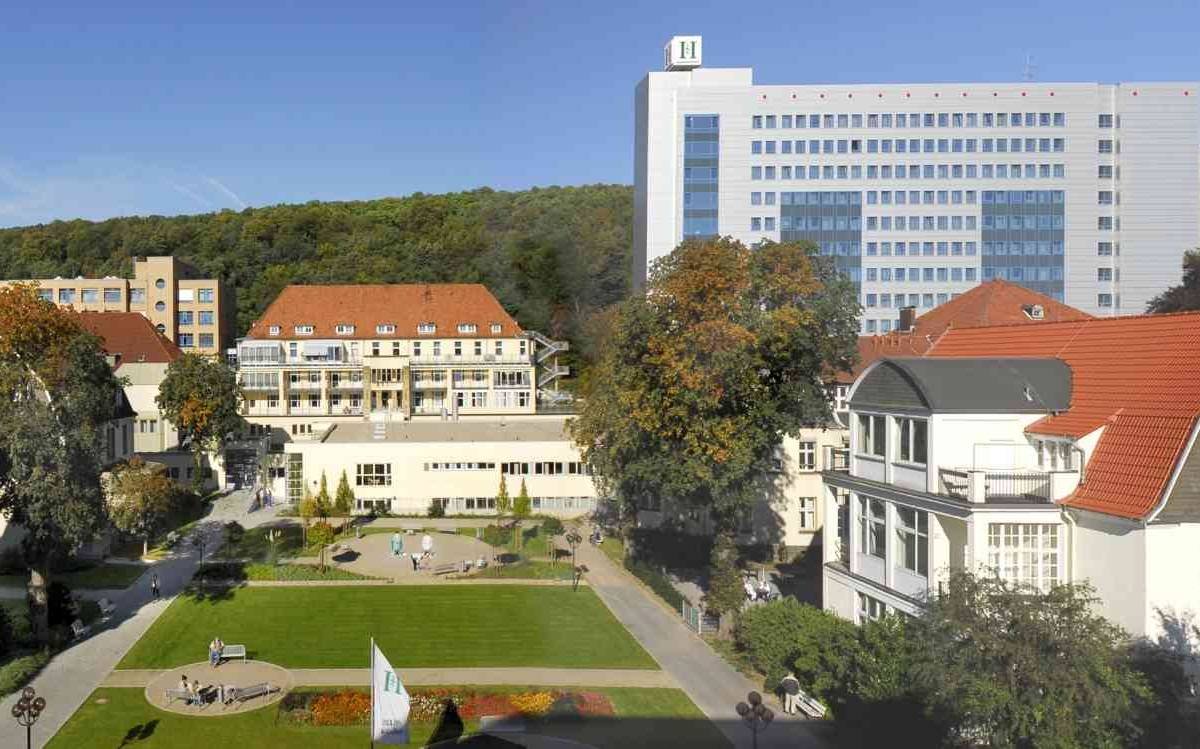
نظرة عامة على محفز الحبل الشوكي (SCS) في ألمانيا
- إيداع Bookimed: 200 دولار أو 200 يورو.
- وديعة العيادة: ادفع نسبة محددة مقدمًا.
المراجعات
جميع المراجعاتمشاركة المحتوى
قصص فيديو من مرضى Bookimed
 Anna Leonova
أسئلة متكررة حول محفز الحبل الشوكي (SCS) في ألمانيا
هل يغطي التأمين الصحي الألماني زراعة محفز النخاع الشوكي (SCS)؟
يغطي التأمين الصحي الألماني، سواء القانوني أو الخاص، بشكل عام زراعة محفز النخاع الشوكي (SCS) لعلاج الألم المزمن. تتطلب التغطية تصريحاً مسبقاً يؤكد فشل العلاجات المحافظة. يجب على المرضى إكمال فترة تحفيز تجريبية مؤقتة ناجحة. توثيق الضرورة الطبية ضروري لموافقة شركة التأمين.
- عملية الموافقة: تتطلب معظم شركات التأمين موافقة لكل حالة على حدة بناءً على التشخيص والتاريخ المرضي المحدد.
- المعايير السريرية: يجب على الأطباء إثبات أن الأدوية والحقن وإعادة التأهيل لم توفر الراحة المطلوبة.
- متطلبات التجربة: يجب أن تثبت تجربة جلدية مؤقتة فعالية الجهاز قبل زراعته بشكل دائم.
- متطلبات التوثيق: تطالب شركات التأمين بسجلات كاملة تشمل التصوير، وتاريخ الألم، وخطابات المتخصصين.
رؤية خبير Bookimed: يُظهر تحليل العيادات الألمانية أن التأخير الإداري هو العائق الأكثر شيوعاً. تدير المراكز الكبيرة مثل مستشفى هيليوس الجامعي في فوبرتال أكثر من 150,000 مريض سنوياً. تمتلك هذه المرافق ذات الحجم الكبير غالباً موظفين متخصصين للتعامل مع تصاريح التأمين المسبقة. اختيار عيادة بها منسقون دوليون متخصصون يمكن أن يساعد في التعامل مع الأوراق المعقدة.
إجماع المرضى: يواجه العديد من المرضى رفضاً أولياً ولكنهم ينجحون بعد الاستئناف بدعم الخبراء. السجلات المفصلة للعلاجات السابقة الفاشلة تسرع عملية الموافقة بشكل كبير.
ما هي الحالات التي يتم علاجها باستخدام محفز الحبل الشوكي (SCS) في ألمانيا؟
تعالج تحفيز الحبل الشوكي في ألمانيا بشكل أساسي الألم العصبي المزمن في الجذع والأطراف. يستخدم الأخصائيون الألمان هذا العلاج العصبي لمتلازمة ألم العمود الفقري المستمرة، ومتلازمة الألم الإقليمي المعقد، والذبحة الصدرية المقاومة للعلاج عندما تفشل العلاجات الطبية المحافظة في توفير الراحة.
- متلازمة جراحة الظهر: تعالج آلام العمود الفقري المستمرة بعد عمليات أسفل الظهر أو الرقبة غير الناجحة.
- الألم العصبي: تتحكم في الأحاسيس المزمنة بالحرقان أو الطعن أو الكهرباء في الساقين.
- الألم الإقليمي المعقد: تعالج الألم الشديد المقاوم للأدوية من خلال تكنولوجيا توجيه الأقطاب الكهربائية المستهدفة.
- أمراض الأوعية الدموية: تخفف من الذبحة الصدرية المقاومة للعلاج أو الألم الإقفاري بعد التدخلات القياسية.
رؤية خبير Bookimed: تميز العيادات الألمانية مثل مستشفى هيليوس الجامعي فوبرتال بين الألم الميكانيكي والألم العصبي. تشير البيانات إلى أن معدلات نجاح SCS هي الأعلى لأنماط الألم العصبي في الساق. غالبًا ما يتلقى المرضى الذين يعانون من آلام الظهر المحورية البحتة دون وجود مكون عصبي علاجات بديلة. يمنح الأخصائيون هنا الأولوية لمرحلة تجربة تستمر لعدة أيام قبل الزرع الدائم.
إجماع المرضى: يؤكد العديد من المرضى أن SCS هو خيار الملاذ الأخير. غالبًا ما يتمنون لو كانوا يعلمون في وقت سابق أن آلام الساق تستجيب بشكل أفضل من آلام الظهر. يصف معظمهم مرحلة التجربة بأنها ضرورية لاختبار الإحساس بالوخز الكهربائي قبل الجراحة.
ما هي عملية الحصول على محفز الحبل الشوكي (SCS) في ألمانيا؟
يتضمن الحصول على محفز الحبل الشوكي في ألمانيا تقييمًا إلزاميًا متعدد المراحل. يجب على المرضى إثبات فشل العلاجات المحافظة قبل الخضوع لتجربة مؤقتة مدتها من خمسة إلى سبعة أيام. إذا انخفض الألم بنسبة 50%، يقوم جراحو الأعصاب في مراكز مثل مستشفى هيليوس الجامعي فوبرتال بإجراء عملية الزرع تحت الجلد بشكل دائم.
- تقييم الأخصائي: يقوم أخصائيو الألم أو جراحو الأعصاب بتقييم التاريخ الطبي والاستعداد النفسي.
- التوثيق السريري: يجب على المرضى تقديم إثبات على فشل العلاج الطبيعي والأدوية والحقن.
- مرحلة التجربة: يقوم الجراحون بإدخال أسلاك مؤقتة عن طريق الجلد لاختبار فعالية تخفيف الألم.
- الزرع الدائم: تؤدي التجارب الناجحة إلى وضع مولد نبضات داخلي تحت التخدير الموضعي.
- الصيانة مدى الحياة: تشمل رعاية ما بعد الجراحة برمجة الجهاز المستمرة والتدريب على شحن البطارية.
رؤية خبير Bookimed: تدير العيادات الألمانية مثل مستشفى هيليوس الجامعي فوبرتال أكثر من 150,000 مريض سنويًا. يشير حجم العمل المرتفع لديهم إلى كفاءة تقنية فائقة في وضع الأسلاك. هذه الخبرة حيوية لأن الوضع الدقيق للقطب الكهربائي يحدد 90% من النتائج الناجحة. تحقق دائمًا مما إذا كان فريقك السريري يجري إجراءات SCS أسبوعيًا.
إجماع المرضى: يؤكد المرضى على الحاجة إلى الصبر أثناء عملية تفويض التأمين الطويلة. وجد الكثيرون أن فترة التجربة مقيدة بسبب قيود الانحناء والالتواء.
ما هي المدة التي تدوم فيها بطارية محفز SCS؟
يعتمد عمر بطارية محفز النخاع الشوكي (SCS) بشكل أساسي على نوع الجهاز. تدوم البطاريات القابلة لإعادة الشحن عادةً من 7 إلى 10 سنوات. بينما تدوم النماذج غير القابلة لإعادة الشحن عادةً من 2 إلى 5 سنوات. ستؤدي إعدادات الكثافة العالية أو الاستخدام المتكرر إلى تقصير هذه الفترات بشكل كبير لأي جهاز.
- عمر البطارية القابلة للشحن: تعمل الأنظمة الحديثة غالباً لمدة 10 سنوات قبل الحاجة إلى استبدال كامل للبطارية.
- عمر البطارية غير القابلة للشحن: تتطلب هذه الأجهزة عادةً استبدالاً جراحياً كل 2 إلى 7 سنوات.
- متطلبات الشحن: تتطلب الوحدات القابلة لإعادة الشحن جلسات يومية أو أسبوعية بناءً على إعداداتك المحددة.
- استبدال الجهاز: عند نفاد البطارية، يجب على الجراحين استبدال المولد الداخلي بالكامل جراحياً.
رؤية خبراء Bookimed: تعالج المستشفيات الجامعية الألمانية مثل هيليوس فوبرتال 150,000 مريض سنوياً باستخدام تكنولوجيا متقدمة. تظهر البيانات أن الأجهزة غالباً ما تدوم أكثر من فائدة الغرسة لبعض المرضى. اختيار نموذج قابل لإعادة الشحن يدوم 10 سنوات عادة ما يكون أفضل من وحدة غير قابلة لإعادة الشحن أرخص ثمناً. هذا يقلل من إجمالي العمليات الجراحية التي ستحتاجها على مدى حياتك.
إجماع المرضى: يجد العديد من المرضى أن البرامج ذات الطاقة العالية تستنزف البطاريات بشكل أسرع بكثير مما تدعيه الشركات المصنعة. تعد عادات الشحن المتسقة أمراً ضرورياً للحفاظ على أداء الأنظمة القابلة لإعادة الشحن بشكل جيد على المدى الطويل.
هل يمكنني السفر أو الخضوع لتصوير بالرنين المغناطيسي (MRI) مع جهاز تحفيز النخاع الشوكي (SCS)؟
تسمح أنظمة تحفيز النخاع الشوكي (SCS) الحديثة بالسفر وإجراء فحوصات رنين مغناطيسي محددة إذا كانت مصنفة كـ «آمنة مشروطة في بيئة الرنين المغناطيسي» (MRI-conditional). لضمان السلامة، يجب عليك تفعيل وضع الرنين المغناطيسي قبل الفحص. احمل دائماً بطاقة تعريف جهازك لتجاوز نقاط التفتيش الأمنية والتحقق من التوافق مع فريق الأشعة الخاص بك.
- أمن السفر: احمل بطاقة تعريف جهازك. قد تكتشف أجهزة الاستشعار الأمنية المكونات المعدنية.
- الفحص اليدوي: أبلغ موظفي المطار بشأن الغرسة الخاصة بك. اطلب فحصاً يدوياً إذا لزم الأمر.
- التوافق مع الرنين المغناطيسي: تحقق من طراز جهازك بدقة. الأجهزة المصنفة فقط كـ MRI-conditional هي الآمنة ضمن بروتوكولات محددة.
- برمجة الجهاز: أحضر جهاز التحكم عن بُعد الخاص بك. يجب عليك تحويل المحفز إلى وضع الرنين المغناطيسي.
- سلامة المعدات: لا تحضر أبداً شواحن أو أجهزة تحكم عن بُعد إلى غرفة جهاز الرنين المغناطيسي نفسها.
رؤية خبراء Bookimed: تعطي العيادات الألمانية مثل مستشفى هيليوس الجامعي في فوبرتال الأولوية للسلامة من خلال طلب جواز سفر الجهاز قبل التصوير. حتى لو كان جهازك مصنفاً كآمن للرنين المغناطيسي، غالباً ما ترفض فرق الأشعة إجراء الفحوصات بدون هذه الأوراق. تأكد من أن الجراح الذي أجرى عملية الغرس يوفر ورقة بيانات تفصيلية للطراز. هذا يمنع التأخير غير الضروري أثناء استشاراتك الطبية في ألمانيا.
إجماع المرضى: يشير المرضى إلى أن التأخير في المطار نادر الحدوث عند إظهار بطاقة تعريف الغرسة. يقترح ال
ما الفرق بين أنظمة SCS التقليدية والحديثة؟
يستخدم تحفيز الحبل الشوكي (SCS) التقليدي نبضات منخفضة التردد تسبب إحساساً بالوخز يسمى التنميل لإخفاء الألم. تستخدم الأنظمة الحديثة أشكال موجات عالية التردد أو نبضات لتسكين الألم دون إدراك، مما يلغي الوخز تماماً مع توفير تعديلات آلية في حلقة مغلقة تتكيف مع حركات المريض ووضعية جسمه.
- إحساس التحفيز: تسبب الأجهزة التقليدية طنيناً؛ توفر الأنظمة الحديثة تخفيفاً للألم دون أي إحساس جسدي.
- طريقة التعديل: تحل تكنولوجيا الحلقة المغلقة الحديثة محل التعديلات اليدوية عن بعد من خلال الاستجابة لإشارات العمود الفقري.
- عمر البطارية: تدوم البطاريات القابلة لإعادة الشحن المتقدمة لأكثر من 10 سنوات، مما يقلل من وتيرة جراحات الاستبدال.
- تنوع أشكال الموجات: توفر الوحدات الحديثة أنماطاً متعددة، بما في ذلك 10 كيلو هرتز HF10 وإطلاق العصب BurstDR.
رؤية خبير Bookimed: تعالج المستشفيات الجامعية الألمانية مثل Helios Wuppertal 150,000 مريض سنوياً، مما يوفر تعرضاً عالياً لتقنيات SCS المتنوعة. في ألمانيا، يعتمد الاختيار بين الأنظمة التقليدية والحديثة غالباً على الضرورة الطبية المعتمدة من قبل التأمين وليس على مخزون العيادة. يجب على المرضى طلب مرحلة تجريبية بجهاز حديث خالٍ من التنميل لاختبار التوافق قبل الزرع الدائم.
إجماع المرضى: بينما يفضل الكثيرون صمت الأنظمة الحديثة، يجد البعض أن إحساس الوخز التقليدي طمأنة جسدية مفيدة بأن الجهاز يعمل. يؤكد المرضى أن أشكال الموجات الحديثة تحسن جودة النوم بشكل كبير عن طريق إزالة أصوات الطنين المشتتة في الليل.
ما هي المستشفيات في ألمانيا التي تحظى بأعلى التقييمات في جراحة الأعصاب؟
تضم ألمانيا بعضًا من أرقى أقسام جراحة الأعصاب في العالم، بقيادة مستشفى شاريتيه الجامعي في برلين ومستشفى جامعة هايدلبرغ. وتتميز هذه المراكز بخبرتها الواسعة في علاج أورام الدماغ المعقدة وأمراض الأوعية الدموية الدماغية. ولتحقيق أقصى قدر من الفعالية في عملياتها، تستخدم هذه المراكز أحدث التقنيات، مثل التصوير بالرنين المغناطيسي أثناء الجراحة والتوجيه العصبي بمساعدة الحاسوب.
- مستشفى شاريتيه برلين: يُجري أكثر من 5000 عملية جراحية سنوياً. ويرأس العيادة جراح الأعصاب الشهير الدكتور بيتر فايكوتشي.
- المركز الطبي في سولينجن: أجرى الدكتور رالف بوهل أكثر من 4000 عملية جراحية، بما في ذلك جراحات العمود الفقري طفيفة التوغل.
- عيادة أسكليبيوس نورد: مجهزة بنظام التصوير بالرنين المغناطيسي الثنائي الوحيد في ألمانيا أثناء الجراحة لضمان الدقة الجراحية في الوقت الحقيقي أثناء إزالة الورم.
- عيادة نوردويست: تم الاعتراف بها من قبل مجلة نيوزويك كمستشفى رائد في مجال الابتكار في تكنولوجيا الموجات فوق الصوتية ثلاثية الأبعاد.
رأي خبراء بوكيمد: تشير البيانات إلى أن اختيار المراكز ذات الحجم الجراحي الكبير غالبًا ما يؤدي إلى توصيات علاجية أكثر تحفظًا. ففي مركز سولينجن الطبي، الذي يعالج أكثر من 60,000 مريض
ما هي نسب نجاح العمليات الجراحية العصبية المعقدة في ألمانيا؟
في ألمانيا، تتميز العمليات الجراحية العصبية بالغة التعقيد بمستوى أمان استثنائي. تصل نسبة نجاح عمليات دمج الفقرات إلى 99%، بينما تبلغ نسبة النجاة بعد استئصال أورام الدماغ الأولية 97%. كما يتمتع المرضى بقدرة عالية على الاعتماد على أنفسهم في أداء وظائفهم اليومية، حيث يغادر أكثر من 82% منهم المستشفى مباشرةً بعد العلاج. وتولي المراكز الألمانية اهتماماً بالغاً بالحفاظ على الوظائف العصبية باستخدام أحدث تقنيات التخطيط العصبي.
- استئصال الورم: يحقق الجراحون استئصالًا كاملاً للورم في 87.2% من حالات النقائل الدماغية.
- النجاح في علاج أمراض الأوعية الدموية: أفادت المستشفيات الألمانية بنسبة نجاة بلغت 98.7% لحالات تمدد الأوعية الدموية غير الممزقة.
- تحسن الحالة العصبية: يشهد ما يقرب من 43% من المرضى تحسناً في المعايير الوظيفية بعد عمليات الاستئصال المعقدة.
- سلامة التدخلات الجراحية: في المراكز الجراحية الكبيرة، تتراوح معدلات بقاء المرضى على قيد الحياة بعد جراحة العمود الفقري بين 98-99%.
رأي خبراء بوكيمد: يُجري جراحون ذوو خبرة، مثل الدكتور أوفه كولر من عيادة أسكليبيوس ألتونا، أكثر من 2000 عملية جراحية سنويًا. تُشير البيانات إلى أن هؤلاء المتخصصين يحافظون على معدلات نجاح تصل إلى 90%، حتى
ما هي التقنيات المتقدمة المتوفرة عادةً في عيادات جراحة الأعصاب الألمانية؟
تُدخل عيادات جراحة الأعصاب الألمانية بانتظام أدوات رقمية عالية الدقة وتقنيات تصوير فوري في الممارسة الجراحية. تشمل التقنيات الرئيسية الملاحة العصبية الحاسوبية لجراحات الدماغ والحبل الشوكي. تستخدم مؤسسات مثل عيادة أسكليبيوس نورد التصوير بالرنين المغناطيسي أثناء الجراحة للتحقق من استئصال الورم في الوقت الفعلي. توفر هذه الأنظمة للجراحين نظام ملاحة ثلاثي الأبعاد.
- الملاحة العصبية: توفر تصورًا ثلاثي الأبعاد وتتبعًا فوريًا للأدوات لتحقيق دقة جراحية تصل إلى مستوى أقل من المليمتر.
- التصوير أثناء العملية: تسمح أنظمة مثل التصوير بالرنين المغناطيسي أثناء العملية (iMRI) والتصوير المقطعي المحوسب ذي الذراع O (O-arm CT) بالتأكيد الفوري على نجاح عملية الاستئصال.
- المراقبة العصبية: تراقب الوظائف الحركية والحسية أثناء الجراحة لحماية الجهاز العصبي.
- التشخيص الفلوري: يتم استخدام صبغة 5-ALA لتسليط الضوء على حدود الورم من أجل إزالته بشكل أكثر اكتمالاً.
- المساعدة الروبوتية: تعمل أنظمة مثل نظام دافنشي على تحسين الدقة في الإجراءات المعقدة ذات التدخل الجراحي البسيط.
رأي خبراء بوكيمد: تُجري مراكز طبية كبيرة، مثل مستشفى شاريتيه الج
ما هي التدريبات المتخصصة التي يتلقاها جراحو الأعصاب الممارسون في ألمانيا؟
في ألمانيا، يتعين على جراحي الأعصاب إكمال برنامج إقامة تخصصي لمدة ست سنوات بعد التخرج من كلية الطب. يشمل هذا البرنامج المنظم العناية المركزة، والتدريب السريري، وكتابة مقالات في مجلة جراحية إلزامية. بعد ذلك، يجتاز المرشحون امتحانًا حكوميًا للحصول على لقب طبيب مقيم (Facharzt für Neurochirurgie).
- الإقامة السريرية: تتطلب من 48 إلى 72 شهرًا من الممارسة المتخصصة في جراحة الأعصاب.
- العناية المركزة: تتضمن فترة تدريب إلزامية لمدة 6 أشهر في وحدة العناية المركزة لجراحة الأعصاب.
- المجلة الجراحية: يوثق الجراحون مئات العمليات الجراحية، بما في ذلك عمليات فتح الجمجمة وجراحات العمود الفقري.
- امتحان الترخيص: يجب على المتقدمين اجتياز امتحان طبي شفوي وعملي تديره الدولة.
رأي خبراء بوكيميد: يركز التدريب الألماني في جراحة الأعصاب على الخبرة الجراحية الواسعة. فعلى سبيل المثال، أجرى الدكتور رالف بول من المركز الطبي في سولينجن أكثر من 4000 عملية جراحية. ويتمتع الدكتور يورغن كيويت من مستشفى ميوكلينيك بخبرة تزيد عن 25 عامًا. يضمن هذا النظام الدقيق أن يتعامل المتخصصون في المراكز الكبرى مع الحالات المعقدة بدقة مثبتة.
آراء المرضى: يشع