ربط الأنابيب بالمنظار في ألمانيا: 1 عيادة


تمت مراجعة المقالة طبيا من قبل
فهد مولود
ما هي تكلفة ربط الأنابيب بالمنظار في ألمانيا؟ اكتشف الآن
تتراوح تكلفة ربط قناتي فالوب بالمنظار في ألمانيا عادةً من $2,300 إلى $3,800. تختلف الأسعار حسب العيادة، وخبرة الجراح، وما إذا كانت العملية تُجرى في نفس اليوم أو تتطلب المبيت في المستشفى.
تشمل العيادات الألمانية عادةً الاستشارة قبل العملية، والتخدير، والإجراء بالمنظار، والإقامة في المستشفى (إذا لزم الأمر)، والرعاية اللاحقة ضمن التكلفة الإجمالية. في الولايات المتحدة، غالبًا ما يغطي السعر العملية الجراحية فقط، بينما يتم احتساب التخدير ورسوم المستشفى والمتابعة بشكل منفصل. يجب دائمًا التأكد من التفاصيل المشمولة مع العيادة المختارة.
| تركيا | إسبانيا | ألمانيا | |
|---|---|---|---|
| ربط الأنابيب بالمنظار | من $2,400 | ≈ $2,200 | ≈ $2,300 |
مزاياك وضماناتك مع Bookimed
أسعار مباشرة
Bookimed لا يضيف رسوماً إضافية على أسعار ربط الأنابيب بالمنظار. الأسعار مأخوذة من قوائم الأسعار الرسمية للعيادات. تدفع مباشرة في العيادة مقابل ربط الأنابيب بالمنظار عند وصولك.
عيادات وأطباء معتمدون فقط
Bookimed ملتزم بسلامتك. نحن نعمل فقط مع المؤسسات الطبية التي تحافظ على معايير دولية عالية في ربط الأنابيب بالمنظار ولديها التراخيص اللازمة لخدمة المرضى الدوليين في جميع أنحاء العالم.
مساعدة مجانية على مدار الساعة
Bookimed يقدم مساعدة خبراء مجانية. منسق طبي شخصي يدعمك قبل وأثناء وبعد العلاج، ويحل أي مشاكل. لن تكون وحيداً أبداً في رحلة ربط الأنابيب بالمنظار.

منسقك الطبي الشخصي في Bookimed
- يدعمك في كل مرحلة
- المساعدة في اختيار العيادة الطبية المناسبة والطبيب المناسب
- يضمن الوصول السريع والمريح إلى المعلومات
اكتشف أفضل ربط الأنابيب بالمنظار العيادات في ألمانيا: 1 خيار معتمدة والأسعار
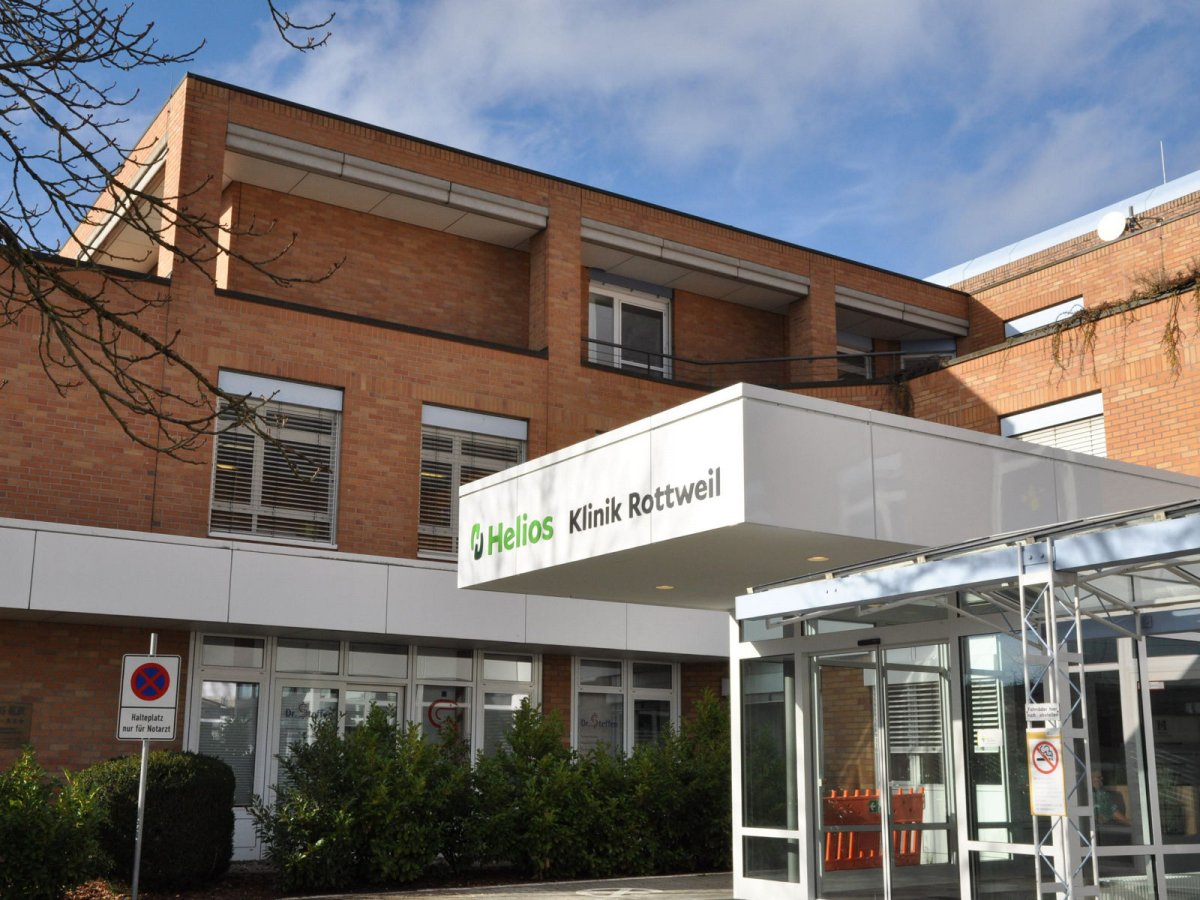

نظرة عامة على ربط الأنابيب بالمنظار في ألمانيا
- إيداع Bookimed: 200 دولار أو 200 يورو.
- وديعة العيادة: ادفع نسبة محددة مقدمًا.
احصل على تقييم طبي لـ ربط الأنابيب بالمنظار في ألمانيا: اختر أخصائيك من بين الأفضل في هذا المجال
عرض جميع الأطباء
Séverine Iborra
تقود الدكتورة سيفيرين إيبورا قسم أمراض النساء والتوليد في مستشفى Städtisches Klinikum Solingen، وهي متخصصة في الإجراءات طفيفة التوغل مثل ربط قناة فالوب بالمنظار.
- حاصلة على شهادة في طب الأورام النسائي والتوليد التخصصي
- تدربت في جامعة ألبرت لودفيغ وجامعة RWTH آخن
- تجري العمليات باستخدام المنظار ونظام دافنشي الروبوتي
- عضو نشط في الجمعيات النسائية الألمانية الرائدة
قصص فيديو من مرضى Bookimed
مشاركة المحتوى
 Anna Leonova
أسئلة متكررة حول ربط الأنابيب بالمنظار في ألمانيا
ما مدى فعالية ربط قنوات فالوب بالمنظار؟
يعتبر ربط قنوات فالوب بالمنظار وسيلة منع حمل دائمة موثوقة للغاية مع معدل نجاح يتجاوز 99%. تواجه معظم المريضات معدل فشل في السنة الأولى يتراوح بين 0.1% و 0.8%. توفر التقنيات الحديثة مثل استئصال البوق، المتوفرة في المراكز الألمانية المتخصصة، أعلى مستوى من الحماية ضد الحمل.
- معدلات النجاح: أكثر من 99% من المريضات لا يحملن بعد هذه الجراحة طفيفة التوغل.
- تقنيات الإغلاق: تشمل الخيارات التخثير ثنائي القطب، وحلقات فالوب، ومشابك فيلشي، أو إزالة القناة بالكامل.
- فوائد استئصال البوق: تؤدي إزالة قناة فالوب بالكامل إلى القضاء فعليًا على خطر الحمل وتقليل خطر الإصابة بالسرطان.
- الإطار السريري: تستخدم الإجراءات في ألمانيا طرقًا بمساعدة الروبوت أو المنظار من أجل تعافي أسرع.
رؤية خبير Bookimed: تتخصص العيادات الألمانية مثل مستشفى هيليوس الجامعي في فوبرتال في التقنيات التنظيرية المتقدمة لأمراض النساء. بينما يركز العديد من المرضى على المشابك، فإن اختيار جراح مثل الدكتورة سيفيرين إيبورا، الحاصلة على شهادة في علم الأورام الجزيئي، يوفر الوصول إلى استئصال البوق. هذه الطريقة هي النهج الأكثر حسمًا لأنها تزيل الأنسجة بالكامل بدلاً من مجرد سدها.
إجماع المرضى: يقدر العديد من المرضى الراحة النفسية لوسيلة منع الحمل الدائمة بدون هرمونات. ينصحون بتأكيد التقنية المحددة مسبقًا ويشيرون إلى أن آلام الكتف الناتجة عن غاز المنظار هي أثر جانبي شائع ولكنه قصير.
ما هي المخاطر المرتبطة بربط قنوات فالوب بالمنظار؟
يعتبر ربط قنوات فالوب بالمنظار وسيلة منع حمل دائمة آمنة وبسيطة التوغل. على الرغم من ندرة حدوث مضاعفات، تشمل المخاطر ردود فعل تجاه التخدير، ونزيفًا داخليًا، وإصابة عرضية للأمعاء أو المثانة. تشمل المخاطر طويلة المدى نسبة فشل ضئيلة وفرصة إحصائية أعلى لحدوث حمل خارج الرحم في حالة حدوث الحمل.
- الإصابات الجراحية: خطر ضئيل لحدوث حروق حرارية أو تلف في الأمعاء أو المثانة.
- عدم الراحة بعد الجراحة: آلام الكتف وانتفاخ البطن شائعة وتنتج عن غاز ثاني أكسيد الكربون المستخدم أثناء الجراحة.
- فشل الطريقة: خطر نادر يتمثل في نمو قنوات فالوب مرة أخرى أو تطور فتحة جديدة.
- التاريخ الطبي: قد تؤدي العمليات الجراحية السابقة أو بطانة الرحم المهاجرة إلى زيادة خطر حدوث مضاعفات بسبب الالتصاقات.
رؤية خبير Bookimed: في ألمانيا، تستخدم بعض المراكز المتميزة مثل المركز الطبي في سولينغن نظام دافنشي الروبوتي للإجراءات النسائية. توفر هذه التكنولوجيا رؤية ثلاثية الأبعاد متفوقة مقارنة بالمنظار التقليدي. يمكن أن تساعد هذه الدقة المتخصصين المؤهلين تأهيلاً عاليًا مثل الدكتورة سيفيرين إيبورا على التنقل بسهولة أكبر حول الأعضاء الحساسة لتقليل المخاطر الجراحية.
إجماع المرضى: يجد العديد من المرضى أن آلام الكتف الناتجة عن بقايا الغاز أكثر حدة من جروح البطن. كما أنه من الشائع حدوث تغييرات في الدورة الشهرية بعد الإجراء، على الرغم من أن هذا ينبع عادةً من التوقف عن استخدام وسائل منع الحمل الهرمونية وليس من الجراحة نفسها.
ما مدى سرعة استئناف النشاط الجنسي بعد ربط الأنابيب بالمنظار؟
تستأنف معظم المريضات النشاط الجنسي بعد حوالي أسبوع واحد من ربط الأنابيب بالمنظار بمجرد عودة الراحة البدنية. يجب عليك الانتظار حتى يزول ألم البطن، والتبقع المهبلي، والتعب المرتبط بالتخدير. إذا تم الإجراء أثناء عملية قيصرية، يوصي الأطباء عادةً بالانتظار من 4 إلى 6 أسابيع للشفاء الكامل.
- الاستعداد البدني: استأنفي النشاط بمجرد أن يزول ألم البطن وألم الكتف الناجم عن الغاز الجراحي تماماً.
- علامات التحذير: تجنبي النشاط إذا كنت تعانين من نزيف حاد، أو حمى، أو صديد في مواقع الشق الجراحي.
- فعالية منع الحمل: يوفر ربط الأنابيب حماية فورية ضد الحمل بمجرد انتهاء الإجراء الجراحي.
- إدارة الألم: تأكدي من أنك لم تعودي بحاجة إلى مسكنات ألم أفيونية قبل الانخراط في النشاط البدني.
رؤية خبير Bookimed: تعطي العيادات الألمانية مثل مستشفى هيليوس الجامعي في فوبرتال الأولوية للتقنيات طفيفة التوغل بما في ذلك نظام دافنشي الروبوتي. تظهر بياناتنا أن متخصصين مثل الدكتورة سيفيرين إيبورا يركزون على هذه الأساليب المتقدمة لتقليل صدمات الأنسجة. غالباً ما تؤدي هذه الدقة إلى قيود مكتوبة أقصر في ألمانيا مقارنة بالمناطق الأخرى. تجد المريضات عادةً أن ألم الشق الجراحي هو العامل الأساسي الذي يحد من عودتهن إلى العلاقة الحميمة الطبيعية.
إجماع المرضى: تبلغ العديد من المريضات عن الانتظار حتى يزول الانتفاخ المرتبط بالغازات والتشنجات المرتبطة بالنشوة الجنسية قبل الشعور بالراحة التامة. يؤكد الإجماع على اتباع ورقة الخروج الألمانية الخاصة بك لأن التعليمات تختلف بناءً على
كيف يتم إجراء ربط الأنابيب بالمنظار؟
ربط الأنابيب بالمنظار هو جراحة طفيفة التوغل تُجرى تحت التخدير العام لمنع الحمل بشكل دائم. يصل الجراحون إلى منطقة الحوض من خلال شقوق صغيرة في البطن، باستخدام كاميرات وأدوات متخصصة لسد أو إغلاق أو إزالة قناتي فالوب بدقة عالية.
- النهج الجراحي: يستخدم الأطباء المنظار أو نظام روبوت دا فينشي لتحقيق أقل تأثير على الأنسجة.
- طرق الإغلاق: يتم سد الأنابيب باستخدام مشابك طبية أو حلقات أو كي أو إزالة جزئية.
- مواقع الشق: تتطلب معظم الحالات من 2 إلى 3 شقوق صغيرة فقط في البطن.
- خيار استئصال البوق: يقوم بعض الجراحين بإزالة القناة بأكملها لتقليل مخاطر الإصابة بسرطان المبيض في المستقبل.
رؤية خبير Bookimed: على الرغم من أن الأطباء غالباً ما يصنفون هذا الإجراء كإجراء سريع في العيادات الخارجية، إلا أن المستشفيات الجامعية الألمانية مثل هيليوس فوبرتال توفر أماناً متعدد التخصصات متقدماً. تُظهر البيانات أن كبار الأطباء مثل الدكتورة سيفيرين إيبورا يفضلون بشكل متزايد أنظمة دا فينشي الروبوتية. توفر هذه التكنولوجيا تصويراً فائقاً مقارنة بالمنظار التقليدي، مما قد يؤدي إلى إغلاق أكثر دقة وتسريح أسرع للمريض.
إجماع المرضى: يجد المرضى غالباً أن ألم الكتف الناتج عن الغاز المستخدم أثناء الجراحة أكثر وضوحاً من انزعاج الشق الجراحي. ينصح الكثيرون بالتخطيط لبضعة أيام من التعب والانتفاخ في البطن، على الرغم من تصنيف الإجراء كجراحة بسيطة في العيادات الخارجية.
ما مدى سرعة الحصول على موعد لعملية تعقيم بالمنظار في ألمانيا؟
تتوفر مواعيد عملية التعقيم بالمنظار في ألمانيا عادةً في غضون 4 إلى 8 أسابيع. ومع ذلك، فإن استخدام خدمات الإحالة مثل 116117 يمكن أن يقلل من فترة الانتظار هذه إلى 3 أسابيع. توفر العيادات المتخصصة في مدن مثل سولينغن أو دوسلدورف خيارات طفيفة التوغل بما في ذلك التقنيات بالمنظار والتقنيات المدعومة بالروبوت.
- الجدول الزمني للاستشارة: عادة ما تتم الاستشارات الأولية قبل 2-4 أسابيع من تاريخ الجراحة المحدد.
- الوصول عبر الإحالة: يمكن لخدمة 116117 تأمين مواعيد متخصصة في غضون 21 يوماً.
- التقنيات المتخصصة: يستخدم خبراء مثل الدكتورة سيفيرين إيبورا تقنيات المنظار المتقدمة وروبوتات دا فينشي.
- المتطلبات الإدارية: قد تؤدي جلسات الاستشارة الإلزامية أو فترات التفكير إلى تمديد المدة الإجمالية للعملية.
رؤية خبير Bookimed: في حين أن أوقات الانتظار العامة قصيرة، فإن العائق الحقيقي هو العثور على مزود خدمة. تُظهر البيانات أن 82 عيادة في ألمانيا تقدم خدمات أمراض النساء، لكن العديد من الأطباء يطبقون قيوداً على أساس العمر. تدير عيادات مثل مستشفى هيليوس الجامعي في فوبرتال أعداداً كبيرة من المرضى وغالباً ما يكون لديها مسارات إدارية أكثر انسيابية. إن اختيار مراكز متخصصة بدلاً من العيادات العامة يمكن أن يتجاوز الحواجز المحلية ويؤمن تواريخ الجراحة بشكل أسرع.
إجماع المرضى: يجد العديد من المرضى أن جدولة الجراحة الفعلية أسرع من العثور على طبيب موافق. يجب أن تتوقع أسئلة مباشرة حول اختيارك، خاصة إذا كان عمرك أقل من 30 عاماً أو ليس لديك أطفال.
هل يوفر ربط الأنبوب بالمنظار الحماية من الأمراض المنقولة جنسياً؟
لا يوفر ربط الأنبوب بالمنظار أي حماية ضد الأمراض المنقولة جنسياً (STIs)، بما في ذلك فيروس نقص المناعة البشرية. يعمل هذا الإجراء الجراحي طفيف التوغل كتعقيم دائم فقط. فهو يسد قناتي فالوب لمنع الحمل ولكنه لا يخلق حاجزًا بيولوجيًا ضد الفيروسات أو البكتيريا أثناء النشاط الجنسي.
- الهدف الرئيسي: يعمل الإجراء فقط كوسيلة لمنع الحمل بشكل دائم عن طريق سد قناتي فالوب.
- خطر العدوى: لا يغير التعقيم الجراحي من القابلية للإصابة بالأمراض المنقولة جنسياً البكتيرية أو الفيروسية.
- متطلبات الحماية: تظل طرق الحواجز مثل الواقي الذكري ضرورية للحماية من الأمراض المعدية.
- المعايير الألمانية: تتبع العيادات مثل مستشفى هيليوس الجامعي في فوبرتال بدقة إرشادات الجمعية الألمانية للسرطان.
رؤية خبير Bookimed: تؤكد العيادات الألمانية على سلامة الإجراء وتقديم استشارات مفصلة. تتخصص الدكتورة سيفرين إيبورا في المركز الطبي سولينجن في الأورام النسائية المعقدة وطب المسالك البولية النسائية. تضمن خبرتها أنه على الرغم من أن الجراحة فعالة للغاية لمنع الحمل، فإن المرضى يتلقون تعليمًا شاملاً فيما يتعلق بمخاطر الأمراض المنقولة جنسياً المستمرة. تحقق دائمًا مما إذا كان الفحص بعد العملية مدرجًا في حزمة أمراض النساء الخاصة بك.
إجماع المرضى: يحذر العديد من المرضى من أن التعقيم يمكن أن يخلق شعورًا زائفًا بالأمان. ويؤكدون على استخدام الواقي الذكري مع شركاء جدد لتجنب الندم إذا تغيرت ديناميكيات العلاقة لاحقًا.
ما هي المستشفيات في ألمانيا التي تحظى بأعلى التقييمات في جراحة الأعصاب؟
تضم ألمانيا بعضًا من أرقى أقسام جراحة الأعصاب في العالم، بقيادة مستشفى شاريتيه الجامعي في برلين ومستشفى جامعة هايدلبرغ. وتتميز هذه المراكز بخبرتها الواسعة في علاج أورام الدماغ المعقدة وأمراض الأوعية الدموية الدماغية. ولتحقيق أقصى قدر من الفعالية في عملياتها، تستخدم هذه المراكز أحدث التقنيات، مثل التصوير بالرنين المغناطيسي أثناء الجراحة والتوجيه العصبي بمساعدة الحاسوب.
- مستشفى شاريتيه برلين: يُجري أكثر من 5000 عملية جراحية سنوياً. ويرأس العيادة جراح الأعصاب الشهير الدكتور بيتر فايكوتشي.
- المركز الطبي في سولينجن: أجرى الدكتور رالف بوهل أكثر من 4000 عملية جراحية، بما في ذلك جراحات العمود الفقري طفيفة التوغل.
- عيادة أسكليبيوس نورد: مجهزة بنظام التصوير بالرنين المغناطيسي الثنائي الوحيد في ألمانيا أثناء الجراحة لضمان الدقة الجراحية في الوقت الحقيقي أثناء إزالة الورم.
- عيادة نوردويست: تم الاعتراف بها من قبل مجلة نيوزويك كمستشفى رائد في مجال الابتكار في تكنولوجيا الموجات فوق الصوتية ثلاثية الأبعاد.
رأي خبراء بوكيمد: تشير البيانات إلى أن اختيار المراكز ذات الحجم الجراحي الكبير غالبًا ما يؤدي إلى توصيات علاجية أكثر تحفظًا. ففي مركز سولينجن الطبي، الذي يعالج أكثر من 60,000 مريض
ما هي نسب نجاح العمليات الجراحية العصبية المعقدة في ألمانيا؟
في ألمانيا، تتميز العمليات الجراحية العصبية بالغة التعقيد بمستوى أمان استثنائي. تصل نسبة نجاح عمليات دمج الفقرات إلى 99%، بينما تبلغ نسبة النجاة بعد استئصال أورام الدماغ الأولية 97%. كما يتمتع المرضى بقدرة عالية على الاعتماد على أنفسهم في أداء وظائفهم اليومية، حيث يغادر أكثر من 82% منهم المستشفى مباشرةً بعد العلاج. وتولي المراكز الألمانية اهتماماً بالغاً بالحفاظ على الوظائف العصبية باستخدام أحدث تقنيات التخطيط العصبي.
- استئصال الورم: يحقق الجراحون استئصالًا كاملاً للورم في 87.2% من حالات النقائل الدماغية.
- النجاح في علاج أمراض الأوعية الدموية: أفادت المستشفيات الألمانية بنسبة نجاة بلغت 98.7% لحالات تمدد الأوعية الدموية غير الممزقة.
- تحسن الحالة العصبية: يشهد ما يقرب من 43% من المرضى تحسناً في المعايير الوظيفية بعد عمليات الاستئصال المعقدة.
- سلامة التدخلات الجراحية: في المراكز الجراحية الكبيرة، تتراوح معدلات بقاء المرضى على قيد الحياة بعد جراحة العمود الفقري بين 98-99%.
رأي خبراء بوكيمد: يُجري جراحون ذوو خبرة، مثل الدكتور أوفه كولر من عيادة أسكليبيوس ألتونا، أكثر من 2000 عملية جراحية سنويًا. تُشير البيانات إلى أن هؤلاء المتخصصين يحافظون على معدلات نجاح تصل إلى 90%، حتى
ما هي التقنيات المتقدمة المتوفرة عادةً في عيادات جراحة الأعصاب الألمانية؟
تُدخل عيادات جراحة الأعصاب الألمانية بانتظام أدوات رقمية عالية الدقة وتقنيات تصوير فوري في الممارسة الجراحية. تشمل التقنيات الرئيسية الملاحة العصبية الحاسوبية لجراحات الدماغ والحبل الشوكي. تستخدم مؤسسات مثل عيادة أسكليبيوس نورد التصوير بالرنين المغناطيسي أثناء الجراحة للتحقق من استئصال الورم في الوقت الفعلي. توفر هذه الأنظمة للجراحين نظام ملاحة ثلاثي الأبعاد.
- الملاحة العصبية: توفر تصورًا ثلاثي الأبعاد وتتبعًا فوريًا للأدوات لتحقيق دقة جراحية تصل إلى مستوى أقل من المليمتر.
- التصوير أثناء العملية: تسمح أنظمة مثل التصوير بالرنين المغناطيسي أثناء العملية (iMRI) والتصوير المقطعي المحوسب ذي الذراع O (O-arm CT) بالتأكيد الفوري على نجاح عملية الاستئصال.
- المراقبة العصبية: تراقب الوظائف الحركية والحسية أثناء الجراحة لحماية الجهاز العصبي.
- التشخيص الفلوري: يتم استخدام صبغة 5-ALA لتسليط الضوء على حدود الورم من أجل إزالته بشكل أكثر اكتمالاً.
- المساعدة الروبوتية: تعمل أنظمة مثل نظام دافنشي على تحسين الدقة في الإجراءات المعقدة ذات التدخل الجراحي البسيط.
رأي خبراء بوكيمد: تُجري مراكز طبية كبيرة، مثل مستشفى شاريتيه الج
ما هي التدريبات المتخصصة التي يتلقاها جراحو الأعصاب الممارسون في ألمانيا؟
في ألمانيا، يتعين على جراحي الأعصاب إكمال برنامج إقامة تخصصي لمدة ست سنوات بعد التخرج من كلية الطب. يشمل هذا البرنامج المنظم العناية المركزة، والتدريب السريري، وكتابة مقالات في مجلة جراحية إلزامية. بعد ذلك، يجتاز المرشحون امتحانًا حكوميًا للحصول على لقب طبيب مقيم (Facharzt für Neurochirurgie).
- الإقامة السريرية: تتطلب من 48 إلى 72 شهرًا من الممارسة المتخصصة في جراحة الأعصاب.
- العناية المركزة: تتضمن فترة تدريب إلزامية لمدة 6 أشهر في وحدة العناية المركزة لجراحة الأعصاب.
- المجلة الجراحية: يوثق الجراحون مئات العمليات الجراحية، بما في ذلك عمليات فتح الجمجمة وجراحات العمود الفقري.
- امتحان الترخيص: يجب على المتقدمين اجتياز امتحان طبي شفوي وعملي تديره الدولة.
رأي خبراء بوكيميد: يركز التدريب الألماني في جراحة الأعصاب على الخبرة الجراحية الواسعة. فعلى سبيل المثال، أجرى الدكتور رالف بول من المركز الطبي في سولينجن أكثر من 4000 عملية جراحية. ويتمتع الدكتور يورغن كيويت من مستشفى ميوكلينيك بخبرة تزيد عن 25 عامًا. يضمن هذا النظام الدقيق أن يتعامل المتخصصون في المراكز الكبرى مع الحالات المعقدة بدقة مثبتة.
آراء المرضى: يشع