جراحة كسر الترقوة النازح في ألمانيا — احصل على 3 عيادات مطابقة مع التكاليف


تمت مراجعة المقالة طبيا من قبل
فهد مولود
ما هي تكلفة جراحة كسر الترقوة النازح في ألمانيا؟ اكتشف الآن
تتراوح تكلفة جراحة كسر الترقوة المنزاح في ألمانيا عادةً من $6,200 إلى $9,500. تختلف الأسعار حسب المستشفى، وخبرة الجراح، ونوع التثبيت المستخدم (مثل صفيحة التيتانيوم والبراغي)، وما إذا كانت العملية تثبيت داخلي مفتوح (ORIF) أو طفيفة التوغل.
عادةً ما تشمل المستشفيات الألمانية في السعر الاختبارات قبل العملية، والتخدير العام، ومواد التثبيت الجراحي، وليلة إلى ليلتين في المستشفى، والأدوية، وزيارات المتابعة. في الولايات المتحدة، غالبًا ما يغطي السعر المعلن أتعاب الجراح فقط، مع رسوم منفصلة للتخدير، والغرسات، والإقامة في المستشفى. يجب دائمًا التأكد من التفاصيل المشمولة في كل عيادة.
| تركيا | إسبانيا | ألمانيا | |
|---|---|---|---|
| جراحة كسر الترقوة النازح | ≈ $1,800 | ≈ $4,800 | ≈ $6,200 |
مزاياك وضماناتك مع Bookimed
أسعار مباشرة
Bookimed لا يضيف رسوماً إضافية على أسعار جراحة كسر الترقوة النازح. الأسعار مأخوذة من قوائم الأسعار الرسمية للعيادات. تدفع مباشرة في العيادة مقابل جراحة كسر الترقوة النازح عند وصولك.
عيادات وأطباء معتمدون فقط
Bookimed ملتزم بسلامتك. نحن نعمل فقط مع المؤسسات الطبية التي تحافظ على معايير دولية عالية في جراحة كسر الترقوة النازح ولديها التراخيص اللازمة لخدمة المرضى الدوليين في جميع أنحاء العالم.
مساعدة مجانية على مدار الساعة
Bookimed يقدم مساعدة خبراء مجانية. منسق طبي شخصي يدعمك قبل وأثناء وبعد العلاج، ويحل أي مشاكل. لن تكون وحيداً أبداً في رحلة جراحة كسر الترقوة النازح.

منسقك الطبي الشخصي في Bookimed
- يدعمك في كل مرحلة
- المساعدة في اختيار العيادة الطبية المناسبة والطبيب المناسب
- يضمن الوصول السريع والمريح إلى المعلومات
اكتشف أفضل جراحة كسر الترقوة النازح العيادات في ألمانيا: 1 خيار معتمدة والأسعار
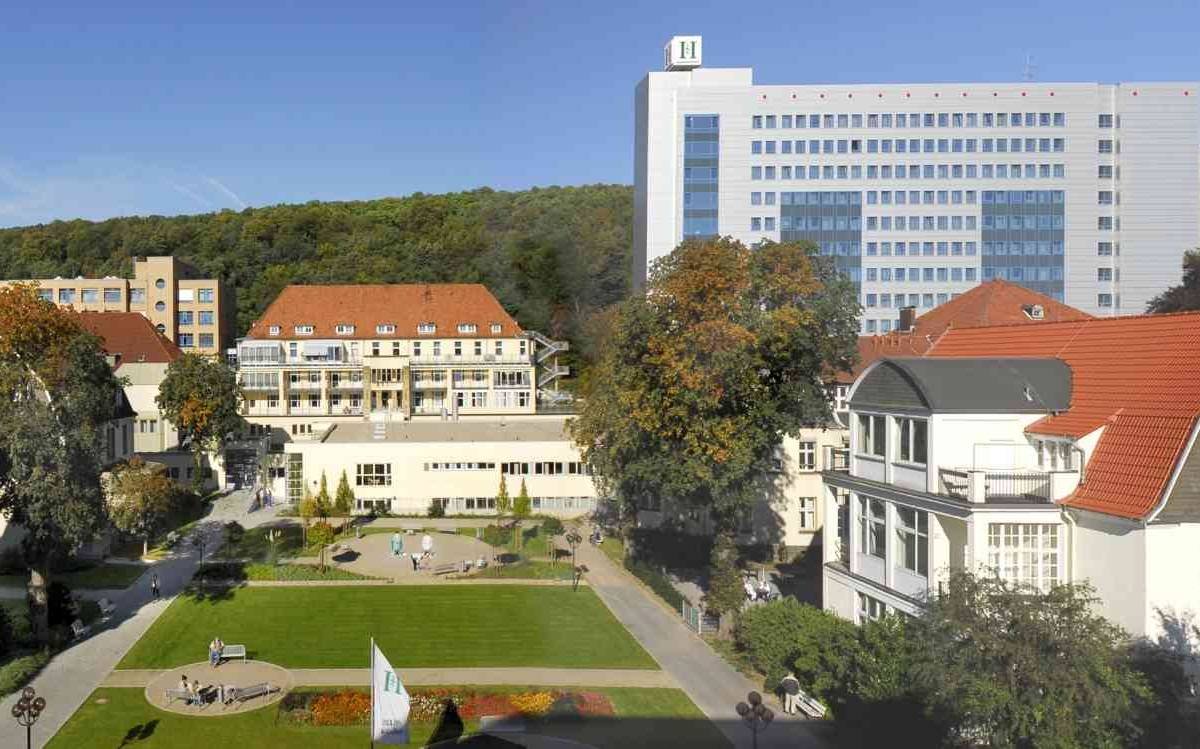
نظرة عامة على جراحة كسر الترقوة النازح في ألمانيا
- إيداع Bookimed: 200 دولار أو 200 يورو.
- وديعة العيادة: ادفع نسبة محددة مقدمًا.
احصل على تقييم طبي لـ جراحة كسر الترقوة النازح في ألمانيا: اختر أخصائيك من بين الأفضل في هذا المجال
عرض جميع الأطباء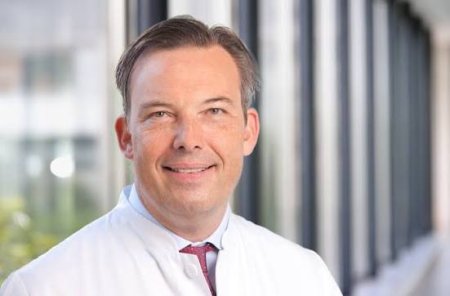
Markus Graf
المراجعات
جميع المراجعات
مشاركة المحتوى
قصص فيديو من مرضى Bookimed
 Anna Leonova
أسئلة متكررة حول جراحة كسر الترقوة النازح في ألمانيا
متى تكون الجراحة ضرورية لكسر الترقوة المزاح في ألمانيا؟
تكون الجراحة لكسر الترقوة المزاح في ألمانيا ضرورية إذا كانت شظايا العظام تتداخل بأكثر من 2 سم أو إذا كان الجلد في خطر من حدوث ثقب. تعطي مراكز الصدمات الألمانية الأولوية للتثبيت الجراحي عبر تثبيت الصفائح العظمية عند حدوث إصابات وعائية عصبية أو عندما تتطلب الكسور المفتوحة تثبيتًا فوريًا.
- الإزاحة الشديدة: الجراحة مطلوبة عندما يتجاوز تقصير الترقوة 1.5 إلى 2 سم.
- حماية الجلد: التدخل حيوي إذا كانت شظايا العظام تسبب شدًا مرئيًا أو ثقبًا في الجلد.
- سلامة الأعصاب: تُجرى الجراحة الفورية في حالة تلف الضفيرة العضدية أو الأوعية الدموية.
- مخاطر الشفاء: الكسور المعقدة ذات الشظايا المتعددة تتطلب غالبًا صفائح لمنع عدم الالتئام.
رؤية خبير Bookimed: تستفيد المستشفيات الجامعية الألمانية مثل هيليوس فوبرتال من الخبرة الطبية متعددة التخصصات في الأورام وجراحة العظام للصدمات المعقدة. تظهر البيانات أن هذه المراكز تعالج 150,000 مريض سنويًا. غالبًا ما يقترحون الجراحة للمرضى الأصغر سنًا والنشطين خصيصًا للحفاظ على ميكانيكا الكتف بالكامل. هذا التركيز على التعافي الوظيفي يميز نهجهم عن الرعاية التقليدية المحافظة.
إجماع المرضى: يجد العديد من المرضى أن الجراحة ليست حالة طارئة فورية ما لم يكن الجلد مهددًا. في حين أن الشفاء غير الجراحي غالبًا ما يترك نتوءًا مرئيًا، يختار الرياضيون بشكل متكرر تثبيت الصفائح من أجل تعافٍ أسرع.
ما هو الجدول الزمني المتوقع للتعافي بعد جراحة الترقوة؟
يتطلب التعافي من جراحة الترقوة من 3 إلى 5 أشهر لالتئام العظام بالكامل. يستعيد المرضى عادةً الحركة الوظيفية بين 6 إلى 12 أسبوعًا. يوصي معظم الجراحين باستخدام حمالة للذراع (sling) للراحة خلال الأسابيع الثلاثة إلى الأربعة الأولى بينما يستقر الكسر.
- المرحلة المبكرة: استخدم حمالة للذراع للراحة خلال الأسبوعين الأولين.
- مرحلة الحركة: توقف عن استخدام الحمالة بحلول الأسبوع السادس لبدء تمارين نطاق الحركة.
- مرحلة التقوية: ابدأ برفع أوزان خفيفة وتمارين الكفة المدورة بعد الأسبوع السادس.
- النشاط الكامل: استأنف ممارسة الرياضات عالية التأثير أو رفع الأثقال بعد 3 أشهر.
رؤية خبراء Bookimed: تعالج المستشفيات الجامعية الألمانية مثل هيليوس فوبرتال 150,000 مريض سنويًا. يشير حجم العمل المرتفع لديهم إلى أن الجراحين يتعاملون مع عمليات تثبيت الترقوة المعقدة بشكل متكرر. هذه الخبرة حيوية لضمان وضع اللوحة بدقة. المحاذاة الصحيحة تقلل من خطر تهيج الأجهزة المعدنية خلال أشهر التعافي.
إجماع المرضى: يجد العديد من المرضى أن تأكيد الأشعة السينية في الأسبوع السادس هو أهم معلم في رحلة التعافي. غالبًا ما يبلغون عن شعورهم بالاستعداد للقيام بتمارين القلب الخفيفة مثل الجري أو ركوب الدراجات الثابتة في وقت أبكر بكثير مما كان متوقعًا.
ما مدى سرعة إجراء الجراحة بعد الإصابة؟
عادةً ما يتم إجراء جراحة كسر الترقوة المزاح في غضون أسبوع إلى أسبوعين بعد الإصابة الأولية. في حين أن حالات الطوارئ التي تنطوي على اختراق العظام للجلد أو تلف الأوعية الدموية تتطلب رعاية فورية، غالبًا ما ينتظر الجراحون بضعة أيام حتى يزول التورم الحاد لضمان ظروف جراحية مثالية ومحاذاة صحيحة للعظام.
- معايير الطوارئ: الجراحة الفورية مطلوبة إذا اخترقت شظايا العظام الجلد.
- الفترة الاختيارية: تحدث معظم الإجراءات بعد 7 إلى 14 يومًا من الكسر.
- التعافي الوظيفي: غالبًا ما يعود المرضى إلى ممارسة الرياضات منخفضة التأثير في غضون 6 أسابيع بعد الجراحة.
- المراقبة السريرية: يستخدم الجراحون فترة الانتظار لمراقبة التورم من خلال تصوير الأشعة السينية المتكرر.
- التئام العظام: يمنع التثبيت المبكر العظام من الالتئام في وضع غير محاذٍ.
رؤية خبراء Bookimed: تظهر البيانات من مراكز ألمانية كبيرة مثل مستشفى هيليوس الجامعي في فوبرتال حجمًا كبيرًا من حالات العظام. الخبرة مع 150 ألف مريض سنويًا تتيح توقيتًا دقيقًا. من الضروري جدولة الجراحة في غضون الـ 14 يومًا الأولى. بعد ذلك، يبدأ تكون النسيج العظمي المبكر (الكالس)، مما يجعل إعادة الوضع الجراحي أكثر تعقيدًا للجراح.
إجماع المرضى: يؤكد العديد من المرضى أن الانتظار لفترة طويلة يجعل الجراحة أكثر صعوبة. ويبلغون عن شعورهم باستقرار أكبر بشكل ملحوظ بعد أيام فقط من تركيب الأجهزة المعدنية.
ما هي التقنية الجراحية القياسية المستخدمة؟
التقنية الجراحية القياسية لكسر الترقوة المزاح في ألمانيا هي الرد المفتوح والتثبيت الداخلي (ORIF). يستخدم الجراحون صفائح ومسامير متخصصة من التيتانيوم أو الفولاذ المقاوم للصدأ لإعادة محاذاة أجزاء العظام وتوفير استقرار هيكلي فوري للشفاء.
- طريقة التثبيت: يستخدم الجراحون الرد المفتوح والتثبيت الداخلي باستخدام صفائح ومسامير طبية.
- النهج الجراحي: يتضمن الإجراء شقاً مباشراً لرؤية الأجزاء المزاحة ومحاذاتها بدقة.
- هدف التثبيت: تمنع الغرسات الالتئام غير السليم وتسمح بتحريك الكتف وظيفياً في وقت مبكر.
- خيارات بديلة: يظل التثبيت غير الجراحي باستخدام حمالة الذراع أو دعامة على شكل رقم 8 خياراً محافظاً شائعاً.
رؤية خبير Bookimed: تعالج المستشفيات الجامعية الألمانية مثل هيليوس فوبرتال 150,000 مريض سنوياً باستخدام معايير جراحية انتقائية. تظهر البيانات أن الجراحين يعطون الأولوية لـ ORIF بشكل أساسي عندما تكون سلامة الجلد في خطر أو عندما يتجاوز الإزاحة حدوداً وظيفية محددة. يضمن هذا النهج، الذي يبدأ بالخيار المحافظ أولاً، إجراء الجراحة فقط عندما توفر ميزة ميكانيكية واضحة على الشفاء الطبيعي.
إجماع المرضى: يجد المرضى أنه على الرغم من إمكانية التعافي بدون جراحة، فإن التثبيت بالصفائح غالباً ما يوفر تخفيفاً أسرع للألم. يختار الكثيرون الجراحة لتجنب عدم الراحة الناتج عن ارتداء الدعامة على شكل رقم 8 أو حمالات الذراع لفترات طويلة.
ما هي نسبة نجاح التثبيت الجراحي لكسور الترقوة المزاحة؟
يعد التثبيت الجراحي لكسور الترقوة المزاحة ناجحاً للغاية. تتراوح معدلات التئام العظام عادةً بين 97% و99% باستخدام التثبيت الداخلي بالرد المفتوح (ORIF). يقلل هذا الإجراء بشكل كبير من مخاطر عدم الالتئام (الكسر غير الملتئم) إلى 0-3%، وهي نسبة أقل بكثير من معدلات 15-34% التي تظهر في العلاج غير الجراحي.
- نجاح الالتئام: يحدث التئام العظام في 97% إلى 99% من حالات التثبيت الجراحي.
- الوقاية من عدم الالتئام: تقلل الجراحة من مخاطر فشل التئام العظام الدائم إلى أقل من 3% للكسور المزاحة.
- معيار التثبيت: تُستخدم هياكل الصفائح القفلية في 87% من العمليات الجراحية لضمان تثبيت مستقر.
- المعايير السريرية: يوصي الجراحون بالجراحة عندما يتجاوز إزاحة الكسر 2 سم أو عندما يتضمن كسوراً متعددة الشظايا.
رؤية خبراء Bookimed: تعالج المستشفيات الجامعية الألمانية مثل هيليوس فوبرتال 150,000 مريض سنوياً. توفر مراكز العظام الكبيرة ميزة الأمان. يرتبط حجم العمليات المرتفع لديهم بانخفاض معدلات المضاعفات المرتبطة بالأدوات الجراحية. وغالباً ما يحصل المرضى على نتائج تجميلية أفضل في هذه الأقسام المتخصصة.
إجماع المرضى: يبلغ معظم المرضى عن شفاء ممتاز لكنهم غالباً ما يشيرون إلى تهيج ناتج عن الصفائح المعدنية. يستغرق التعافي للعودة إلى النشاط الكامل حوالي 6 أشهر مع الالتزام بالعلاج الطبيعي.
ما هي مدة الإقامة المعتادة في المستشفى في ألمانيا؟
تتراوح فترة الإقامة المعتادة في المستشفى في ألمانيا لجراحة كسر الترقوة المزاح من 3 إلى 10 أيام. تتبع المستشفيات الألمانية نهج مراقبة حذرًا، حيث تضمن إدارة مستقرة للألم واستعادة الحركة قبل الخروج. قد تتطلب الحالات المعقدة ما يصل إلى أسبوع واحد من رعاية المرضى الداخليين.
- الإقامة قبل الجراحة: غالبًا ما يقضي المرضى 3 ليالٍ تحت الملاحظة قبل بدء الإجراء.
- المراقبة بعد الجراحة: البقاء لمدة 7 إلى 9 أيام بعد الجراحة يسمح برعاية متخصصة للجروح.
- إدارة الألم: تستمر المراقبة المكثفة لمدة 24 إلى 48 ساعة أثناء ذروة مستويات الألم.
- معايير الخروج: يغادر المرضى بمجرد قدرتهم على رعاية أنفسهم بشكل مستقل وآمن في المنزل.
رأي خبير Bookimed: تعطي العيادات الألمانية مثل مستشفى هيليوس الجامعي في فوبرتال الأولوية للتعافي على المدى الطويل بدلاً من الخروج السريع. بينما تفضل المراكز الأمريكية غالبًا الرعاية الخارجية في نفس اليوم، تستخدم المرافق الألمانية سعتها البالغة 1000 سرير لتوفير إشراف طويل الأمد للمرضى الداخليين. وهذا يقلل من خطر حدوث مضاعفات مبكرة بعد الجراحة للكسور المزاحة المعقدة.
إجماع المرضى: يجد العديد من المرضى أن اليومين الأولين بعد الجراحة هما الأكثر صعوبة من حيث الحركة. إنهم يقدرون الإقامة الأطول لأنها توفر دعمًا احترافيًا خلال مرحلة التعافي الأكثر إيلامًا.
هل تحتاج الصفائح والبراغي إلى الإزالة في أي وقت؟
صُممت الصفائح والبراغي لكسور الترقوة المزاحة لتكون دائمة، لكن الجراحين يزيلونها إذا كانت تسبب تهيجًا أو ألمًا. تحدث إزالة الأدوات في 1% إلى 2% من الحالات عالميًا، على الرغم من أن الممارسات السريرية الألمانية غالبًا ما توحد إجراءات الإزالة للمرضى الأصغر سنًا بعد الشفاء.
- الإزالة الروتينية: غالبًا ما يوصي الجراحون الألمان بالإزالة للمرضى الصغار لمنع تهيج العظام في المستقبل.
- الأدوات المسببة للأعراض: الألم المستمر أو بروز الأدوات تحت الجلد هي الأسباب الرئيسية للإزالة الاختيارية.
- التوقيت السريري: ينتظر الجراحون عادةً عامًا واحدًا حتى يلتئم الكسر تمامًا قبل الإزالة.
- فترة التعافي: يعود المرضى عادةً إلى النشاط البدني الكامل بعد حوالي 6 أسابيع من إزالة الأدوات.
رأي خبير Bookimed: تستفيد المستشفيات الجامعية الألمانية مثل هيليوس فوبرتال من حجم مرتفع يصل إلى 150,000 مريض سنويًا لتحسين بروتوكولات الأدوات. تشير البيانات إلى أنه على الرغم من أن الإزالة اختيارية، إلا أن الأخصائيين الألمان يعطونها أولوية بشكل متكرر أكثر من الجراحين الأمريكيين لضمان الراحة على المدى الطويل أثناء الأنشطة البدنية.
إجماع المرضى: يجد العديد من المرضى أن الأدوات تصبح غير مريحة عند ارتداء حقائب الظهر أو أحزمة الأمان. يبلغ معظمهم عن شعور كبير بالراحة بعد الإزالة بمجرد استعادة العظم لقوته واستقراره الطبيعي.
ما هي المستشفيات في ألمانيا التي تحظى بأعلى التقييمات في جراحة الأعصاب؟
تضم ألمانيا بعضًا من أرقى أقسام جراحة الأعصاب في العالم، بقيادة مستشفى شاريتيه الجامعي في برلين ومستشفى جامعة هايدلبرغ. وتتميز هذه المراكز بخبرتها الواسعة في علاج أورام الدماغ المعقدة وأمراض الأوعية الدموية الدماغية. ولتحقيق أقصى قدر من الفعالية في عملياتها، تستخدم هذه المراكز أحدث التقنيات، مثل التصوير بالرنين المغناطيسي أثناء الجراحة والتوجيه العصبي بمساعدة الحاسوب.
- مستشفى شاريتيه برلين: يُجري أكثر من 5000 عملية جراحية سنوياً. ويرأس العيادة جراح الأعصاب الشهير الدكتور بيتر فايكوتشي.
- المركز الطبي في سولينجن: أجرى الدكتور رالف بوهل أكثر من 4000 عملية جراحية، بما في ذلك جراحات العمود الفقري طفيفة التوغل.
- عيادة أسكليبيوس نورد: مجهزة بنظام التصوير بالرنين المغناطيسي الثنائي الوحيد في ألمانيا أثناء الجراحة لضمان الدقة الجراحية في الوقت الحقيقي أثناء إزالة الورم.
- عيادة نوردويست: تم الاعتراف بها من قبل مجلة نيوزويك كمستشفى رائد في مجال الابتكار في تكنولوجيا الموجات فوق الصوتية ثلاثية الأبعاد.
رأي خبراء بوكيمد: تشير البيانات إلى أن اختيار المراكز ذات الحجم الجراحي الكبير غالبًا ما يؤدي إلى توصيات علاجية أكثر تحفظًا. ففي مركز سولينجن الطبي، الذي يعالج أكثر من 60,000 مريض
ما هي نسب نجاح العمليات الجراحية العصبية المعقدة في ألمانيا؟
في ألمانيا، تتميز العمليات الجراحية العصبية بالغة التعقيد بمستوى أمان استثنائي. تصل نسبة نجاح عمليات دمج الفقرات إلى 99%، بينما تبلغ نسبة النجاة بعد استئصال أورام الدماغ الأولية 97%. كما يتمتع المرضى بقدرة عالية على الاعتماد على أنفسهم في أداء وظائفهم اليومية، حيث يغادر أكثر من 82% منهم المستشفى مباشرةً بعد العلاج. وتولي المراكز الألمانية اهتماماً بالغاً بالحفاظ على الوظائف العصبية باستخدام أحدث تقنيات التخطيط العصبي.
- استئصال الورم: يحقق الجراحون استئصالًا كاملاً للورم في 87.2% من حالات النقائل الدماغية.
- النجاح في علاج أمراض الأوعية الدموية: أفادت المستشفيات الألمانية بنسبة نجاة بلغت 98.7% لحالات تمدد الأوعية الدموية غير الممزقة.
- تحسن الحالة العصبية: يشهد ما يقرب من 43% من المرضى تحسناً في المعايير الوظيفية بعد عمليات الاستئصال المعقدة.
- سلامة التدخلات الجراحية: في المراكز الجراحية الكبيرة، تتراوح معدلات بقاء المرضى على قيد الحياة بعد جراحة العمود الفقري بين 98-99%.
رأي خبراء بوكيمد: يُجري جراحون ذوو خبرة، مثل الدكتور أوفه كولر من عيادة أسكليبيوس ألتونا، أكثر من 2000 عملية جراحية سنويًا. تُشير البيانات إلى أن هؤلاء المتخصصين يحافظون على معدلات نجاح تصل إلى 90%، حتى
ما هي التقنيات المتقدمة المتوفرة عادةً في عيادات جراحة الأعصاب الألمانية؟
تُدخل عيادات جراحة الأعصاب الألمانية بانتظام أدوات رقمية عالية الدقة وتقنيات تصوير فوري في الممارسة الجراحية. تشمل التقنيات الرئيسية الملاحة العصبية الحاسوبية لجراحات الدماغ والحبل الشوكي. تستخدم مؤسسات مثل عيادة أسكليبيوس نورد التصوير بالرنين المغناطيسي أثناء الجراحة للتحقق من استئصال الورم في الوقت الفعلي. توفر هذه الأنظمة للجراحين نظام ملاحة ثلاثي الأبعاد.
- الملاحة العصبية: توفر تصورًا ثلاثي الأبعاد وتتبعًا فوريًا للأدوات لتحقيق دقة جراحية تصل إلى مستوى أقل من المليمتر.
- التصوير أثناء العملية: تسمح أنظمة مثل التصوير بالرنين المغناطيسي أثناء العملية (iMRI) والتصوير المقطعي المحوسب ذي الذراع O (O-arm CT) بالتأكيد الفوري على نجاح عملية الاستئصال.
- المراقبة العصبية: تراقب الوظائف الحركية والحسية أثناء الجراحة لحماية الجهاز العصبي.
- التشخيص الفلوري: يتم استخدام صبغة 5-ALA لتسليط الضوء على حدود الورم من أجل إزالته بشكل أكثر اكتمالاً.
- المساعدة الروبوتية: تعمل أنظمة مثل نظام دافنشي على تحسين الدقة في الإجراءات المعقدة ذات التدخل الجراحي البسيط.
رأي خبراء بوكيمد: تُجري مراكز طبية كبيرة، مثل مستشفى شاريتيه الج