إخلاء مسؤولية طبية: تم التحقق من البيانات بواسطة Bookimed اعتباراً من October 2026، استناداً إلى طلبات المرضى والعروض الرسمية من 15
عيادات حول العالم. التكاليف المتوسطة مستندة إلى فواتير حقيقية (2024–2026) ويتم تحديثها شهريًا. قد تختلف الأسعار الفعلية.
مزاياك وضماناتك مع Bookimed
أسعار مباشرة
Bookimed لا يضيف رسوماً إضافية على أسعار طرق الطب الصيني التقليدي. الأسعار مأخوذة من قوائم الأسعار الرسمية للعيادات. تدفع مباشرة في العيادة مقابل طرق الطب الصيني التقليدي عند وصولك.
عيادات وأطباء معتمدون فقط
Bookimed ملتزم بسلامتك. نحن نعمل فقط مع المؤسسات الطبية التي تحافظ على معايير دولية عالية في طرق الطب الصيني التقليدي ولديها التراخيص اللازمة لخدمة المرضى الدوليين في جميع أنحاء العالم.
مساعدة مجانية على مدار الساعة
Bookimed يقدم مساعدة خبراء مجانية. منسق طبي شخصي يدعمك قبل وأثناء وبعد العلاج، ويحل أي مشاكل. لن تكون وحيداً أبداً في رحلة طرق الطب الصيني التقليدي.
لماذا نحن؟
منسقك الطبي الشخصي في Bookimed
يدعمك في كل مرحلة
المساعدة في اختيار العيادة الطبية المناسبة والطبيب المناسب
يضمن الوصول السريع والمريح إلى المعلومات
لا تفوت الصفقات الحصرية طرق الطب الصيني التقليدي في الصين لمدة أكتوبر 2026
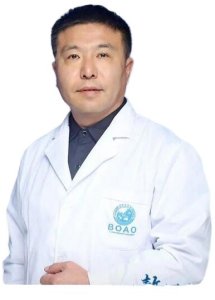
الدكتور لي يانوين من الرواد الأوائل في جراحة الأعصاب الوظيفية في الصين، وهو من مؤسسي تقنية الملاحة الجراحية في هذا المجال في البلاد. يشغل منصب أستاذ زائر في جامعة تورينو. تشمل جوائزه الجائزة الأولى لجائزة شنتشن للتقدم في العلوم والتكنولوجيا، والجائزة الثالثة لجائزة مقاطعة غوانغدونغ للتقدم في العلوم والتكنولوجيا.
يتخصص في جراحة الأعصاب التوضيعية والوظيفية، ولديه أكثر من 20 عاماً من الخبرة، وقد أجرى أكثر من 10,000 إجراء توضيع جراحي لمرضى باركنسون والشلل الدماغي والصرع. متمرس في تقنيات ال
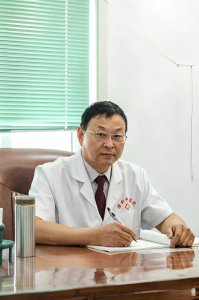
الدكتور تشاي آيتشونغ هو طبيب مرخص في الطب التكاملي يجمع بين الطب الصيني التقليدي والطب الغربي، ويحمل رخصة طبية وطنية. تخرج من جامعة خنان للطب الصيني وبدأ ممارسته السريرية في سن 25.
ينحدر من عائلة تمارس الطب الصيني التقليدي منذ خمسة أجيال في السهول الوسطى. وهو مطلع جيداً على الكلاسيكيات ولديه أكثر من 40 عاماً من الخبرة في الممارسة المجتمعية الميدانية. يركز عمله على تمييز المتلازمات في الطب الصيني التقليدي وتكييف علاج الصرع.
يجمع بين "رسالة في الأمراض الحمية والمتنوعة" وأساليب عائ
محررة طبية معتمدة لديها خبرة تزيد عن 10 سنوات، طوّرت محتوى Bookimed الموثوق، مدعومة بماجستير في علم اللغة ومقابلات مع خبراء طبيين من جميع أنحاء العالم.
قد تحتوي هذه الصفحة على معلومات تتعلق بمختلف الحالات الطبية والعلاجات وخدمات الرعاية الصحية المتوفرة في بلدان مختلفة. يرجى العلم أن المحتوى مقدم لأغراض إعلامية فقط ولا ينبغي تفسيره على أنه نصيحة أو إرشادات طبية. يرجى استشارة طبيبك أو أخصائي طبي مؤهل قبل البدء أو تغيير العلاج الطبي.
أسئلة متكررة حول طرق الطب الصيني التقليدي في الصين
هذه الأسئلة الشائعة مأخوذة من مرضى حقيقيين يبحثون عن رعاية طبية عبر Bookimed. يتم تقديم الإجابات من قبل منسقين طبيين ذوي خبرة وممثلين موثوقين من العيادات.
هل الوخز بالإبر مؤلم؟
عادةً ما يكون العلاج بالإبر الصينية غير مؤلم عند إجرائه من قبل ممارسين مرخصين باستخدام إبر رفيعة ومتينة للغاية. يصف معظم المرضى الشعور الأولي عند إدخال الإبرة بأنه وخز خفيف أو لدغة بعوضة. وبدلاً من الألم، يشعر المرضى عادةً بأحاسيس محددة مثل الثقل أو الوخز أو ألم خفيف.
سمك الإبرة: الإبر الصلبة رقيقة جداً، على عكس الإبر الطبية المجوفة المستخدمة في الحقن.
الاستجابة الحسية: قد تشعر بالانقباض، وهي علامة طبيعية لتنشيط الجهاز العصبي.
المناطق الحساسة: غالباً ما تكون اليدان والقدمان والأصابع أكثر حساسية من الأنسجة الرخوة.
استجابة العضلات: قد تتعرض العضلات المشدودة أو الملتهبة لانقباض سريع وقصير.
رأي خبراء بوكيمد: غالبًا ما تتضمن علاجات الطب الصيني التقليدي في عيادات رائدة مثل مستشفى ياندا الدولي وخزًا بالإبر أعمق من الطرق الغربية. يلجأ المرضى إلى أخصائيين مثل سون تشن يانغ لأن تقنيات العلاج اليدوي الدقيقة التي يتبعونها تضمن تحقيق أقصى فائدة علاجية. ورغم أن هذا النهج قد يبدو أكثر كثافة، إلا أنه سمة مميزة للممارسة السريرية الصينية الأصيلة.
ملاحظات المرضى: توقعوا أحاسيس غير معتادة ولكنها غير ضارة، مثل وخز خفيف أو
ما هي النظرية الأساسية لأساليب الطب الصيني التقليدي؟
ينظر الطب الصيني التقليدي إلى جسم الإنسان كنظام متكامل تحكمه طاقة تشي، أو الطاقة الحيوية. وتعتمد الصحة على التوازن الديناميكي بين قوى الين واليانغ، بالإضافة إلى العناصر الخمسة. ويعالج الممارسون أعراضًا محددة من خلال استعادة الانسجام عبر مسارات الطاقة (المسارات الطاقية)، بدلاً من استهداف أمراض محددة.
طاقة تشي: قوة الحياة التي تسري عبر مسارات الطاقة وتغذي وظائف الأعضاء والمناعة.
الين واليانغ: أضداد متكاملة، حيث تتطلب الصحة توازناً بين القوى الباردة والهادئة والدافئة والنشطة.
التشخيص النمطي: تقييم مجموعات فريدة من الأعراض التي لوحظت في اللسان والنبض وأثناء النوم لتحديد الاختلالات الداخلية.
طرق العلاج: استخدام الوخز بالإبر، والطب العشبي، وتدليك توي نا لفتح تدفق طاقة الحياة.
رأي خبراء بوكيمد: تُظهر بيانات بوكيمد أن المؤسسات الطبية الصينية الرائدة، مثل مستشفى ياندا الدولي، تُدمج الطب الصيني التقليدي بشكل مباشر مع طب الأعصاب والتأهيل الغربي. ويقود هذا النهج الهجين خبراء مثل الدكتور فان يونبين، مدير المؤسسات البحثية الوطنية. ويستفيد المرضى من نظام يجمع بين أحدث تقنيات التشخيص وبروتوكولات الطب العشبي القديم تحت سقف واحد على يد أخصائيين معتمدين.
ممّ تتكون الأدوية العشبية الصينية؟
يتألف الطب الصيني التقليدي من تركيبات معقدة ومتعددة المكونات، مشتقة أساسًا من مواد نباتية، تشمل الجذور واللحاء والأوراق والبذور. غالبًا ما تتضمن هذه التركيبات معادن طبيعية ومكونات مشتقة من الحيوانات، يتم اختيارها من خلال التحليل التقليدي للنبض واللسان لتحقيق التوازن بين الطاقة الداخلية للمريض وصحته العامة.
المكونات العشبية: يستخدم الأطباء في ممارستهم جذور الجنسنغ والعرقسوس والزنجبيل لتحقيق تأثير علاجي مركز.
المعادن الطبيعية: تُضاف عناصر أرضية مثل الجبس أو المغنتيت للمساعدة في تبريد الحرارة.
المكونات الحيوانية: قد تحتوي التركيبات على قشر المحار أو العسل لتثبيت الطاقة وتوفير التآزر.
نهج توصيل فردي: يتم غلي المكونات لصنع مغليات أو معالجتها في حبيبات مركزة قابلة للذوبان في الماء.
رأي خبراء بوكيمد: على الرغم من أن الكثيرين يعتبرون الطب العشبي نباتياً حصراً، إلا أن مؤسسات صينية رائدة مثل مستشفى ياندا الدولي تُدمج هذه التركيبات مع علم الصيدلة السريرية الغربي. تُظهر بياناتنا أن مراكز الطب الصيني التقليدي الحديثة تعتمد الآن على حبيبات موحدة لضمان دقة الجرعات. هذا التحول يُزيل التفاوت في الفعالية والملوثات التي غالباً ما توجد في الأعشاب الخام غير المُعالجة المُباعة تجارياً.
هل يمكن الجمع بين الطب الصيني التقليدي والطب الغربي؟
يجمع الطب التكاملي في الصين بنجاح بين الطب الصيني التقليدي والبروتوكولات الطبية الغربية لتحسين نتائج المرضى. يستخدم هذا النهج الهجين الطب الصيني التقليدي لتخفيف الأعراض وتقليل الآثار الجانبية، بينما يوفر الطب الغربي تدخلات سريعة وموجهة للحالات الحادة أو لتحسين دقة التشخيص.
التآزر العلاجي: غالباً ما يؤدي الجمع بين العلاجات المختلفة إلى نتائج أفضل في استعادة الوظائف العصبية وعلاج الاضطرابات الأيضية.
مرافق متخصصة: تجمع مستشفيات مثل مستشفى ياندا الدولي بين معايير السلامة المعتمدة من قبل اللجنة الدولية المشتركة وأساليب العلاج التقليدية.
بروتوكول السلامة: يجب على المرضى مراعاة فترة ساعتين بين تناول شاي الأعشاب والأدوية الغربية.
إشراف الخبراء: يشرف أخصائيون بارزون مثل الدكتور فان يون بينغ على خطط علاجية معقدة وشاملة.
رأي خبراء بوكيميد: تُظهر البيانات أن المراكز الصينية مثل مستشفى ياندا الدولي تُعالج 2,500,000 مريض سنويًا، حيث تجمع بين معايير الرعاية الطبية من الفئة أ 3 والطب الصيني التقليدي. ويستفيد المرضى الذين يحتاجون إلى إعادة تأهيل عصبي بشكل أكبر عندما يُنسق أخصائي على مستوى المدير بين الطب العشبي والعلاج الطبيعي الحديث في منشأة واحدة.
ما هو الفرق العملي بين الحجامة والكي في الطب الصيني التقليدي؟
يستخدم العلاج بالشفط الضغط السلبي لتخفيف الاحتقان الجسدي والتخلص من السموم. أما الكي، فيستخدم حرارة نبات الشيح المحترق لتدفئة مسارات الطاقة وتجميعها. وبينما يخفف العلاج بالشفط التوتر العضلي الحاد والحرارة، يعالج الكي، وهو ممارسة طبية صينية تقليدية، الحالات المزمنة المرتبطة بنزلات البرد والضعف الداخلي.
الآلية الفيزيائية: التدليك بالحجامة يخلق فراغاً؛ يستخدم الكي حرارة الأشعة تحت الحمراء العميقة من الأعشاب.
أهداف العلاج: تعمل الحجامة على إزالة الاحتقان الزائد؛ بينما يعمل الكي على تقوية وتغذية أجهزة الجسم الضعيفة.
الخبرة السريرية: أثناء تدليك الحجامة، يشعر المرضى بتأثير سحب قوي، على عكس التأثير المريح والدافئ للأعشاب أثناء الكي.
رأي خبراء بوكيمد: لا تستخدم المستشفيات الصينية الرائدة المعتمدة من قبل اللجنة الدولية المشتركة (JCI)، مثل مستشفى ياندا الدولي، الأساليب التقليدية بمعزل عن غيرها. بل تدمج هذه المؤسسات المصنفة ضمن الفئة (أ) الحجامة والكي في بروتوكولات معقدة لاستعادة الوظائف العصبية والحركية. فعلى سبيل المثال، يجمع أخصائيون مثل فان يون بينغ بين هذه العلاجات الح
ما هي طرق التشخيص الأربع التي يستخدمها ممارسو الطب الصيني التقليدي؟
يستخدم ممارسو الطب الصيني التقليدي أربع طرق تشخيصية - الفحص البصري، والسمع والشم، والاستجواب، والجس - لتحديد أنماط الاختلال. وتقيّم هذه الطرق الحيوية ووظائف الأعضاء باستخدام العلامات المرئية، والأعراض السمعية، وأسئلة نمط الحياة، واللمس الجسدي لإنشاء صورة صحية شاملة.
الفحص (Van): يقوم الأطباء بتحليل لون وشكل وطبقة اللسان، بالإضافة إلى لون البشرة ووضعيتها.
السمع والشم (Ven): يشمل التقييم تقييم درجة الصوت وأنماط التنفس وروائح الجسم المحددة.
الاستبيان (وين): استبيان مفصل يغطي جودة النوم والهضم وتفضيلات درجة الحرارة والحالة العاطفية.
الفحص بالجس (Qie): يقوم الأطباء بفحص النبض في ثلاث نقاط على الرسغ والتحقق من وجود ألم في منطقة البطن.
رأي خبراء بوكيمد: تجمع عيادات رائدة من الفئة أ 3، مثل مستشفى ياندا الدولي، بنجاح بين أساليب التشخيص القديمة و28500 تقنية حديثة. يتيح هذا النهج المتكامل لأخصائيين مثل الدكتور فان يون بينغ علاج الاضطرابات العصبية المعقدة من خلال مواءمة نتائج التشخيص في الطب الصيني التقليدي مع البروتوكولات الطبية الدولية.
ملاحظات المرضى: يلاحظ الكثيرون أن استشارات الطب الصيني التقليدي تستغرق وقتا
ما هي القيود الرئيسية وجوانب السلامة المتعلقة بالطب الصيني التقليدي؟
تشمل محدوديات الطب الصيني التقليدي نقص البيانات السريرية الموحدة وخطر التفاعلات الدوائية العشبية. أما المخاوف المتعلقة بالسلامة فتتعلق بجودة المنتج، واحتمالية التلوث بالمعادن الثقيلة، والسمية الكامنة في بعض الأعشاب، مثل الأرستولوشيا، التي قد تسبب تلفًا خطيرًا للأعضاء إذا استخدمت دون إشراف طبي.
معايير الطب القائم على الأدلة: في كثير من الحالات، تستخدم الممارسة المعرفة التجريبية بدلاً من التجارب السريرية ذات التعمية المزدوجة.
نقاء المنتج: تم العثور على معادن ثقيلة مثل الرصاص أو الزئبق في الخلطات العشبية غير المختبرة أثناء الاختبار.
التفاعلات الدوائية: قد تؤدي الأعشاب إلى تغيير خطير في تأثيرات مضادات التخثر وأدوية السكري ومضادات الاكتئاب.
المخاطر السامة: يمكن لبعض المركبات، مثل حمض الأريستولوشيك، أن تسبب فشلًا كلويًا لا رجعة فيه.
رأي خبراء بوكيمد: غالبًا ما تعتمد الجودة على مستوى المنشأة، وليس فقط على الطبيب. في الصين، تدمج عيادات الفئة أ/المستوى الثالث، مثل مستشفى ياندا الدولي، الطب الصيني التقليدي ضمن أنظمة سلامة معتمدة من اللجنة الدولية المشتركة (JCI). يضمن اختيار مركز تكاملي مراقبة العلاجات العشبية جنبًا إلى جنب مع التشخيصات الغربية لتجنب التأخيرات الخطيرة في علا
هل الوخز بالإبر مؤلم وكيف يعمل؟
يُعدّ الوخز بالإبر غير مؤلم عمومًا لأن الإبر الدقيقة جدًا تُحرّك الأنسجة بلطف بدلًا من قطعها. يشعر المرضى عادةً بوخز خفيف أثناء إدخال الإبرة، يتبعه ألم خفيف أو وخز يُعرف باسم "دي تشي"، مما يدل على تنشيط الجهاز العصبي والدورة الدموية.
الرأي التقليدي: يعيد التوازن لتدفق الطاقة الحيوية (تشي) على طول خطوط الطول الرئيسية الأربعة عشر لاستعادة التوازن العام للجسم.
الإحساس: عند ملامسته للجلد، يشعر المرء بإحساس طفيف بالوخز، والذي عادة ما يتبعه شعور بالدفء أو ضغط قوي.
المناطق الحساسة: المناطق ذات الكثافة العالية من النهايات العصبية، مثل اليدين والقدمين والأذنين، تستشعر المزيد من الأحاسيس.
رأي خبراء بوكيمد: في الصين، تدمج المؤسسات الطبية الرائدة من الفئة الثالثة (أ) - مثل مستشفى ياندا الدولي - الطب الصيني التقليدي مع طب الأعصاب الغربي. تُظهر بياناتنا أن هذه العيادات تعالج أكثر من 2,500,000 مريض سنويًا، حيث تستخدم بروتوكولات موحدة لإدارة أعداد المرضى الكبيرة. غالبًا ما يُحقق هذا النهج السريري نتائج أكثر اتساقًا من العيادات المتخصصة الأصغر حجمًا التي تعالج الحالات العصبية ا
ما هو الطب العشبي الصيني وكيف يتم وصفه؟
الطب الصيني التقليدي هو نظام علاجي شامل يستخدم توليفات مختارة بعناية من النباتات والمعادن والحيوانات لاستعادة التوازن الداخلي للجسم. يصف الممارسون المعتمدون في الصين هذه التركيبات الفريدة بناءً على التشخيص، وتحليل عوامل بنيوية محددة مثل مظهر اللسان وجودة النبض وتدفق الطاقة (تشي)، لمعالجة الأسباب الجذرية للأمراض.
تركيبة التركيبة: يقوم الممارسون بدمج 5 إلى 15 عشبة باستخدام نظام هرمي يتكون من الملك والوزير والمساعد والموجه.
النهج التشخيصي: تهدف التوصيات إلى تصحيح الخصائص الفردية، بدلاً من الأعراض الموحدة، من أجل تنظيم فسيولوجي شخصي.
أشكال الجرعات: يتم توفير الأعشاب على شكل مغلي خام، أو حبيبات قابلة للذوبان في الماء، أو أقراص موحدة حاصلة على براءة اختراع.
التعديل الديناميكي: يقوم الأطباء بشكل متكرر بتعديل تركيبات العلاج خلال الزيارات اللاحقة مع تغير حالة المريض.
رأي خبراء بوكيمد: على الرغم من استخدام مغلي الأعشاب الخام التقليدية في المؤسسات الطبية المعتمدة من قبل اللجنة الدولية المشتركة (JCI) مثل مستشفى ياندا الدولي، إلا أنه غالبًا ما تُستخدم المستخلصات المركزة المحببة الحديثة. تضمن هذه المستخلصات الصناعية فعالية ثابتة وتُسهّل إعطاءها للمرضى الدوليين، إذ تُغني عن عملي




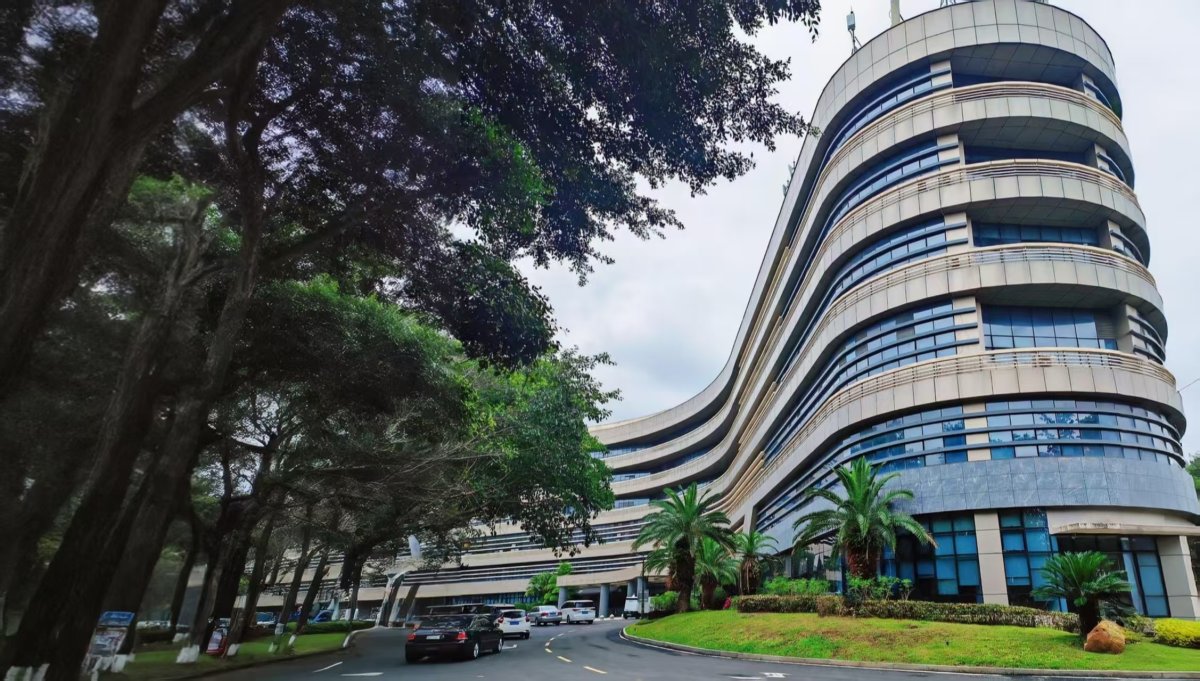 برنامج شامل لإعادة التأهيل العظمي في الطب الصيني التقليدي (العلاج بالإبرة الصغيرة + الحجامة المتوازنة + الكي + العلاج بالأعشاب عبر الجلد)