علاج ورم الغدة الكظرية في النمسا — احصل على 3 عيادات مختارة خصيصاً لك


تمت مراجعة المقالة طبيا من قبل
فهد مولود
كيف نعمل؟
ما هي تكلفة ورم الغدة الكظرية إجراءات التشخيص والعلاج في النمسا؟ اعرف الآن
| النمسا | تركيا | إسبانيا | |
|---|---|---|---|
| استئصال الكلية مع دافنشي روبوت | ≈ $17,500 | من $18,500 | من $24,600 |
اكتشف أفضل ورم الغدة الكظرية العيادات في النمسا: 2 خيارات معتمدة والأسعار





احصلوا على تقييم طبي لـ ورم الغدة الكظرية في النمسا: استشيروا أطباء ذوي خبرة الآن
عرض جميع الأطباء
Christoph Zielinski
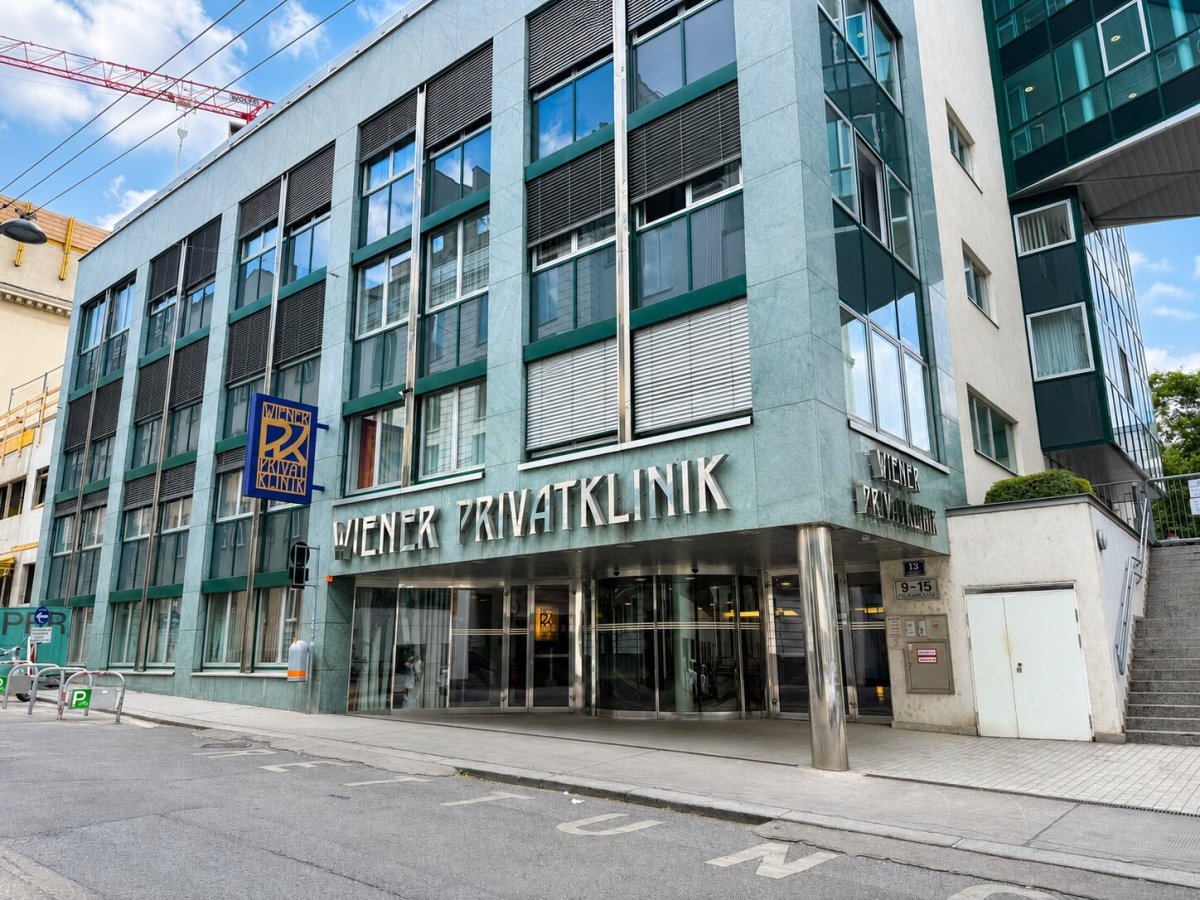
يُعد البروفيسور زيلينسكي أحد أبرز أطباء الأورام في النمسا، وقد ساهم في تشكيل علاج السرطان الحديث على مدى أربعة عقود. وهو الآن يقود المركز الدولي للأورام في عيادة فيينا الخاصة (Wiener Privatklinik).
- قاد أكبر قسم للأورام في النمسا كرئيس له في مستشفى فيينا العام
- أسس وأدار مركز فيينا الشامل للسرطان (CCC)
- رائد في العلاج الفردي للسرطان وأبحاث المناعة والأورام
- نشر أبحاثاً مكثفة في المجلات الرائدة حول تطوير علاجات جديدة
- الرئيس السابق للمجموعة التعاونية لأطباء الأورام في وسط أوروبا (CECOG)

Klaus Kaczirek
البروفيسور كلاوس كاتسيريك هو جراح غدد صماء رائد يتمتع بخبرة تزيد عن 25 سنة، ويتخصص في أورام الغدة الكظرية في عيادة فيينا الخاصة (Wiener Privatklinik).
- خبير في جراحة الغدة الكظرية طفيفة التوغل
- نشر العديد من الأبحاث حول بيولوجيا أورام الغدد الصماء
- نائب سابق لرئيس قسم الجراحة العامة في مستشفى فيينا العام
- يركز على السرطانات المفرزة للهرمونات

Wolfgang Köstler
الأستاذ الجامعي الدكتور فولفغانغ كوستلر هو طبيب أورام نمساوي متميز متخصص في علاجات السرطان الموجهة، ويتمتع بخبرة تزيد عن عقدين.
- خبير في سرطان الثدي والأورام الخبيثة النسائية
- أستاذ مشارك في جامعة فيينا الطبية
- يركز على العلاج الجهازي الفردي للسرطان
- نشط في أبحاث السرطان الانتقالية
مشاركة المحتوى
قصص فيديو من مرضى Bookimed
 Anna Leonova
أسئلة متكررة حول علاج ورم الغدة الكظرية في النمسا
ما الفرق بين ورم الغدة الكظرية الوظيفي وورم الغدة الكظرية غير الوظيفي؟
يكمن الاختلاف الرئيسي في إنتاج الهرمونات. تفرز أورام الغدة الكظرية النشطة كميات زائدة من الهرمونات في مجرى الدم، مما يُخل بالتوازن الكيميائي ويتطلب تدخلاً جراحياً. أما الأورام غير النشطة فلا تُنتج هرمونات، وغالباً ما تُكتشف صدفةً أثناء الفحص، وفي هذه الحالة قد يكفي الاكتفاء بالمراقبة.
- النشاط الهرموني: تعمل الأورام الوظيفية كمصانع نشطة، حيث تنتج مواد كيميائية زائدة.
- العوامل التي تثير الأعراض: لا تسبب التكوينات غير الوظيفية الألم إلا إذا ضغطت فعلياً على الأعضاء.
- المسار التشخيصي: يتم تحديد الأنواع الوظيفية عن طريق اختبار الأعراض مثل ارتفاع ضغط الدم.
- الإدارة السريرية: بالنسبة للآفات الصغيرة غير النشطة التي يقل حجمها عن 4 سم، يفضل المراقبة.
رأي خبراء بوكيمد: على الرغم من أن العديد من المراكز تقدم الجراحة العامة، فإن العيادات النمساوية مثل عيادة فيينا الخاصة توظف أساتذة من جامعة فيينا الطبية. غالبًا ما يستخدم هؤلاء الأخصائيون روبوت دافنشي لاستئصال الغدة الكظرية. يوفر هذا النهج الروبوتي دقة أكبر في المساحات الضيقة المحيطة بالغدد الكظرية مقارنةً بتنظير البطن التقليدي.
رأي المرضى: يؤكد المرضى على ضرورة التأكد
هل تتطلب جميع أورام الغدة الكظرية جراحة فورية؟
لا تتطلب أورام الغدة الكظرية دائمًا جراحة فورية، فمعظمها حميد وغير نشط هرمونيًا. يُجري الأطباء أولًا فحوصات هرمونية ودراسات تصويرية لتحديد الحاجة إلى استئصال الورم. وعادةً ما تُجرى الجراحة للأورام الوظيفية التي تُفرز هرمونات زائدة أو للأورام التي يزيد حجمها عن 4-5 سنتيمترات.
- التقييم الهرموني: تتحقق فحوصات الدم والبول من وجود فائض من الكورتيزول أو الأدرينالين أو الألدوستيرون.
- حجم العتبة: تتطلب الأورام التي يزيد حجمها عن 4 سنتيمترات عمومًا إزالتها بسبب خطر التحول الخبيث.
- المراقبة: تقوم العيادات بمراقبة الأورام الصغيرة غير النشطة من خلال دراسات التصوير كل 6 إلى 12 شهرًا.
- النهج الجراحي: تستخدم المراكز المتخصصة مثل عيادة فينر الخاصة تقنيات طفيفة التوغل مثل نظام دافنشي.
رأي خبراء بوكيمد: في النمسا، تتركز جراحة الغدد الصماء بشكل كبير حول نخبة من المتخصصين الأكاديميين. يشغل الدكتور كلاوس كاتشيريك، من عيادة فيينا الخاصة، منصبًا قياديًا في مستشفى فيينا العام، إلى جانب ممارسته الخاصة. يتيح هذا الانتماء المزدوج للمرضى الحصول على علاج شخصي دون فقدان الأمان الذي توفره بيئة جامعية كبيرة متعددة التخصصات. تُظهر بياناتنا أن أطباء الأورام النمساويين البارزين غالبًا ما يركزون على تطو
ما هي الإجراءات الجراحية المتقدمة المتاحة في النمسا لإزالة أورام الغدة الكظرية؟
تُقدّم العيادات النمساوية أحدث التقنيات الجراحية طفيفة التوغل لإزالة أورام الغدة الكظرية، بما في ذلك استئصال الغدة الكظرية بالمنظار خلف الصفاق والجراحة الروبوتية باستخدام نظام دافنشي. يُعطي الأخصائيون في مراكز مثل عيادة فيينا الخاصة الأولوية للاستئصال الجزئي مع الحفاظ على وظيفة الغدة الكظرية، مما يضمن تعافيًا أسرع ودقة أعلى.
- الأنظمة الروبوتية: يستخدم الجراحون روبوتات دافنشي لتحسين التصوير ثلاثي الأبعاد وزيادة الدقة.
- النهج التنظيري خلف الصفاق: الاستئصال باستخدام نهج خلفي يتجنب إلحاق الضرر بتجويف البطن في الأورام الحميدة التي يقل حجمها عن 6 سنتيمترات.
- الحفاظ على الغدة الكظرية: يسمح استئصال الغدة الكظرية الجزئي بالحفاظ على الأنسجة السليمة وتجنب العلاج بالهرمونات البديلة مدى الحياة.
- طاقم مؤهل: يتم إجراء العمليات تحت إشراف جراحي الغدد الصماء ذوي الخبرة مثل البروفيسور كلاوس كاتشيريك.
رأي خبراء بوكيمد: على الرغم من وجود العلاجات الروبوتية، إلا أن أهم ما يميز النمسا هو التسلسل الهرمي الأكاديمي. فالعديد من الجراحين البارزين في مستشفى فيينا الخاص يشغلون أيضاً مناصب عليا في جامعة فيينا الطبية. يضمن هذا النظام المزدوج للمرضى الحصول على خبرة جراحية على مستوى الجامعة في بيئة مس
من هم أبرز المتخصصين النمساويين في علاج أورام الغدة الكظرية؟
من أبرز المتخصصين النمساويين في أمراض الغدة الكظرية الدكتور كلاوس كاتشيريك، المتخصص في الجراحة طفيفة التوغل، والدكتور كريستوف زيلينسكي، المتخصص في الأورام الخبيثة. يعمل هذان الخبيران في مستشفى فيينا الخاص ومستشفى فيينا العام. وهما حاصلان على العديد من الشهادات الهامة من الجمعية الأوروبية لجراحي الغدد الصماء والجمعية الأوروبية للأورام الطبية.
- الدكتور كلاوس كاتشيريك: متخصص في جراحة الغدة الكظرية طفيفة التوغل في عيادة فينر الخاصة.
- الدكتور كريستوف زيلينسكي: يعالج الحالات المعقدة من سرطان الغدة الكظرية في المركز الدولي للسرطان.
- الدكتور فولفغانغ كوستلر: متخصص في العلاج الموجه للسرطان وتطوير خطط علاج فردية لأمراض الغدة الكظرية.
- نهج متعدد التخصصات للعلاج: تجمع المراكز بين جراحة الغدد الصماء، وعلم الأورام، والعلاج الهرموني.
رأي خبراء بوكيمد: يتمتع المرضى الذين يسعون لعلاج أمراض الغدة الكظرية في فيينا بميزة فريدة، حيث يشغل كبار المتخصصين مناصب مزدوجة في كثير من الأحيان. فعلى سبيل المثال، يشغل أساتذة مثل الدكتور كلاوس كاتشيريك أقسامًا في جامعة فيينا الطبية، إلى جانب استقبالهم مرضى جدد في عيادة فيينا الخاصة. وهذا يوفر خبرة أكاديمية عالية المستوى في بيئة أكثر خصوصية ضمن مستشفى
ما هو العلاج الجراحي القياسي لورم الغدة الكظرية؟
العلاج الجراحي القياسي لأورام الغدة الكظرية هو استئصال الغدة الكظرية، حيث يقوم الجراحون بإزالة إحدى الغدتين الكظريتين أو كلتيهما. وتُعدّ التقنيات طفيفة التوغل الخيار الأمثل للأورام الحميدة الصغيرة، بينما تتطلب الأورام الكبيرة أو الخبيثة جراحة مفتوحة. وتحافظ هذه الطريقة على الوظيفة الهرمونية قدر الإمكان.
- استئصال الغدة الكظرية طفيف التوغل: جراحة بالمنظار أو الروبوت للأورام الحميدة التي يقل حجمها عن 10 سم.
- استئصال الغدة الكظرية المفتوح: يفضل في حالة الآفات الكبيرة أو الاشتباه بسرطان قشرة الغدة الكظرية.
- النهج التنظيري خلف الصفاق: يصل الجراحون إلى الغدة من خلال الظهر لتجنب دخول تجويف البطن.
- جراحة الغدة الدرقية: الاستئصال الجزئي يحافظ على الأنسجة السليمة وإنتاج الهرمونات الحيوية.
رأي خبراء بوكيميد: في النمسا، تتركز الخبرة السريرية بشكل كبير في أيدي جراحين بارزين من مؤسسات أكاديمية. الدكتور كلاوس كاتشيريك من مستشفى فيينا الخاص هو نائب رئيس مجلس إدارة أحد أكبر المستشفيات الجامعية في أوروبا. تتيح هذه العلاقة للمرضى الوصول إلى أبحاث على مستوى الجامعة في بيئة خاصة. تجمع مؤسسات مثل مستشفى فيينا الخاص بين الدقة الجراحية العالية والتكنولوجيا الروبوتية، مما يقلل فترة النقاهة إلى
ماذا نفعل إذا لم يكن إجراء الجراحة ممكناً في حالة سرطان الغدة الكظرية المتقدم أو الخبيث؟
عندما يتعذر التدخل الجراحي، يشمل علاج سرطان الغدة الكظرية المتقدم علاجات جهازية وموضعية. يهدف العلاج إلى السيطرة على نمو الورم باستخدام العلاج الأحادي بالميتوتان أو بروتوكولات العلاج الكيميائي المركبة. تستخدم المراكز المتخصصة في فيينا العلاج الموجه والعلاج المناعي لمكافحة الخلايا الخبيثة في جميع أنحاء الجسم.
- العلاج الجهازي: يعمل الميتوتان على تدمير خلايا الغدة الكظرية ويمنع بشكل فعال إنتاج الهرمونات الزائدة.
- العلاج الكيميائي المركب: يجمع نظام EDP-M بين الميتوتان وثلاثة أدوية لعلاج الأورام عن طريق الوريد.
- العلاج الموجه: يستخدم الأخصائيون علاجات السرطان الجهازية الفردية والعلاج المناعي القائم على المؤشرات الحيوية.
- السيطرة الموضعية: يقلل العلاج الإشعاعي والاستئصال الحراري من حجم النقائل لتخفيف الألم.
رأي خبراء بوكيمد: يستفيد المرضى الذين يسعون للعلاج غير الجراحي في النمسا من التعاون رفيع المستوى مع المؤسسات الأكاديمية. توفر عيادات مثل عيادة فيينا الخاصة إمكانية الوصول المباشر إلى أساتذة من جامعة فيينا الطبية. وهذا يضمن معالجة حتى الحالات غير القابلة للجراحة من قبل فرق متعددة التخصصات، والتي يمكنها إعادة المريض إلى العلاج الجراحي إذا نجح العلاج الجهازي في تقليص حجم ال
ما هي فترة التعافي النموذجية بعد جراحة الغدة الكظرية في النمسا؟
تتراوح فترة النقاهة بعد الجراحة التنظيرية أو الروبوتية طفيفة التوغل بين أسبوع واحد وأربعة أسابيع. ويقضي المرضى عادةً من يوم إلى ثلاثة أيام في المستشفى. أما الجراحة المفتوحة فتتطلب فترة نقاهة أطول، تتراوح بين أربعة وستة أسابيع. وقد يستغرق الشفاء الداخلي واستقرار الهرمونات ما يصل إلى اثني عشر أسبوعًا.
- مدة الإقامة في المستشفى: بالنسبة لجراحة الغدة الكظرية بالمنظار أو الروبوت في فيينا، توقع البقاء لمدة تتراوح بين يوم واحد وثلاثة أيام.
- استئناف جدول النشاط: عادة ما تستأنف الأنشطة الخفيفة والعمل المكتبي في غضون أسبوع إلى أسبوعين.
- القيود البدنية: تجنب رفع الأثقال التي تزيد عن 10 كيلوغرامات لمدة 6 أسابيع للسماح بشفاء الأنسجة.
- استقرار الهرمونات: قد يحتاج المرضى المصابون بأورام منتجة للهرمونات إلى 6 إلى 12 أسبوعًا لتحقيق التوازن الهرموني.
رأي خبراء بوكيمد: اختيار أخصائي مثل البروفيسور كلاوس كاتشيريك من عيادة فيينا الخاصة يُعدّ خيارًا مثاليًا. فتخصصه المزدوج في جراحة الغدد الصماء وجراحة المناظير الحديثة يضمن دقة جراحية مناسبة للعلاجات الهرمونية المعقدة. غالبًا ما يؤدي هذا النهج الشامل إلى استقرار أسرع لحالة المرضى المصابين بمتلازمة كوشينغ أو متلازمة كون.