jaegu kang
26 نوفمبر 2025
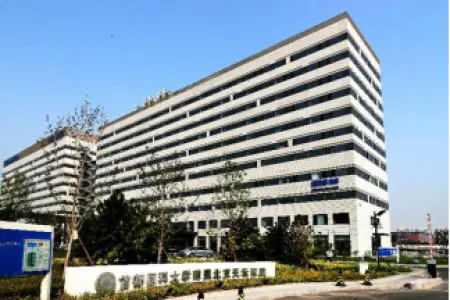


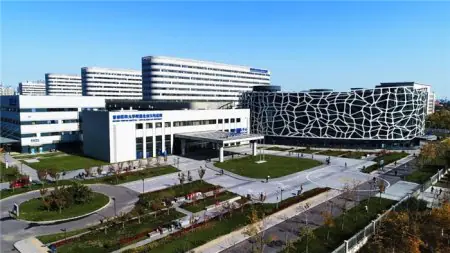
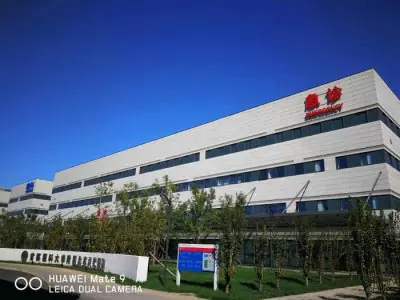
تساعد جراحة إزالة المياه البيضاء (الكتاراكت) في مستشفى بكين تيانتان في بكين، الصين، المرضى على استعادة بصرهم عن طريق استبدال العدسة المعتمة بعدسة اصطناعية. يحمل المستشفى حالة "من الدرجة الثالثة أ" (Tertiary A-level)، وهو أعلى تصنيف للمرافق الطبية في الصين. يشتهر هذا المركز بقدراته المتقدمة في التصوير والأبحاث الطبية المتخصصة.
يضم قسم طب العيون في مستشفى بكين تيانتان تخصصاً فرعياً مخصصاً لعلاج المياه البيضاء. يركز الأطباء في هذه الوحدة بشكل خاص على إزالة العدسات المعتمة لتحسين نظر المريض. يستخدم المرفق أدوات تشخيصية متطورة، بما في ذلك 9 أجهزة تصوير بالرنين المغناطيسي و7 أجهزة تصوير مقطعي محوسب، للمساعدة في تقييم حالة المرضى. بالنسبة للزوار الدوليين، يوفر المستشفى قسماً متخصصاً يضم جناحاً يتسع لـ 24 سريراً لاستيعاب إقامتهم.
تقدم العيادة حلولاً جراحية للمرضى الذين يعانون من فقدان البصر بسبب التقدم في العمر أو الإصابة. يتولى المتخصصون في المستشفى إدارة الحالات ضمن التخصص الفرعي لطب العيون لتقديم رعاية مركزة لكل مريض. تشمل الخدمات المتاحة ما يلي:
يعد مستشفى بكين تيانتان مركزاً بحثياً سريرياً وطنياً، مما يعني أنه يبقى في طليعة مراقبة الجودة الطبية. يستفيد المرضى الذين يختارون هذا المرفق من معايير مركز طبي وطني كبير. إذا كنت تفكر في استعادة بصرك في الصين، يمكنك طلب استشارة من خلال Bookimed لمعرفة المزيد عن العملية.


 العيادة لا تقبل الطلبات الجديدة
 متوسط وقت الرد - 5 دقائق
Beijing Tiantan Hospital is a tertiary medical center in Beijing. Founded in 1956, it serves as a major hub for clinical neuroscience and diagnostic imaging. The hospital is a teaching institution affiliated with Capital Medical University, supporting doctoral and master's level training.
The hospital focuses on clinical neuroscience through its Neurosurgery and Neurology Centers. These departments combine specialized care with research-driven diagnostics. The Radiology department holds national clinical key specialty status, with a primary focus on neuroimaging. It also serves as a clinical drug trial base and training site for residents in complex neurological diagnostics.
Specialists provide advanced treatments for neurological conditions:
Dr. Sun Shibin leads the Stereotactic Radiosurgery department. He oversees Gamma Knife procedures for patients with brain tumors and functional disorders.
The facility has extensive equipment to support its neuroscience focus. The imaging department maintains high hardware volume, so patients get prompt diagnostic access. Nuclear medicine capabilities include early adoption of PET/MR and PET/CT systems. These tools allow precise metabolic and structural brain analysis.
Diagnostic resources include:
The intraoperative MRI lets surgeons view real-time images during brain surgery. This helps ensure complete tumor removal while protecting healthy tissue.
The International Department provides one-stop health management for patients traveling from abroad. It has a 24-bed inpatient ward with single and double rooms. Each room includes an emergency call system. The unit has its own X-ray and ultrasound equipment, so patients don't need to leave the department for basic imaging.
International and special-needs patients have access to specific care pathways:
Over 1,000 nurses support clinical operations. About 43% hold bachelor's degrees or higher, enabling them to manage complex inpatient care.
jaegu kang
 العيادة لا تقبل الطلبات الجديدة متوسط وقت الرد - 5 دقائق