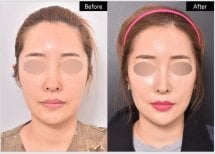
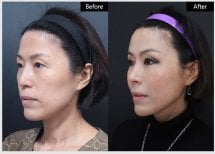
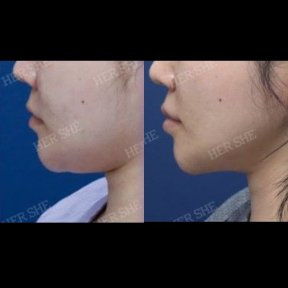
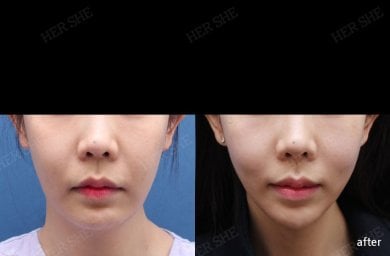
Board-certified specialists in South Korea must complete a full residency and pass national exams to earn the 전문의 (Specialist) designation. Qualified surgeons typically hold active memberships in the Korean Society of Plastic and Reconstructive Surgeons (KSPRS) or the Korean Dermatological Association.
- Academic training: Qualified specialists complete medical school and residency at institutions like Yonsei University.
- Official credentials: Look for titles specifying plastic surgery or dermatology rather than general medicine.
- Plaque indicators: Accredited specialist clinics often display a red metal plaque from the Ministry.
- International exposure: Top experts frequently undergo clinical training at Columbia University or UCLA programs.
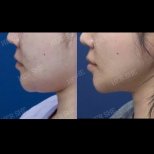
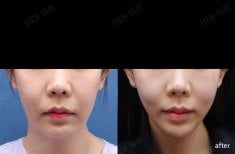
Bookimed Expert Insight: A major indicator of expertise in Seoul is medical authorship specifically regarding thread lifting techniques. For instance, Dr. Jung Young Choon at HERSHE Plastic Surgery has co-authored textbooks on facial correction using melting threads. Choosing a doctor who also serves as a medical advisor for lifting technologies ensures they are recognized by industry peers.
Patient Consensus: Patients note that board-certified doctors focus on natural results and avoid overtreating the face. They often feel more confident seeing international society memberships, such as ASPS, on a doctor's clinic wall. Many mention that translated certificates helping confirm a surgeon's specialty status were vital for their peace of mind.