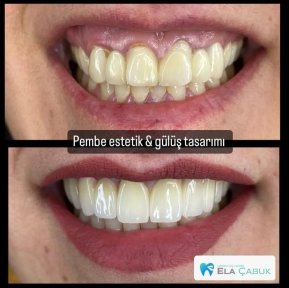
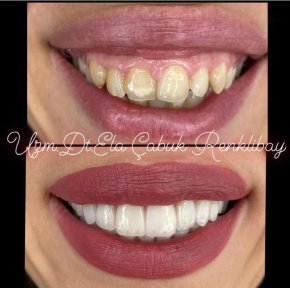
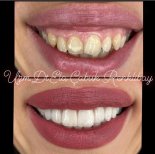
Crown lengthening is a safe minor surgery, but common risks include temporary tooth sensitivity, localized swelling, and minor bleeding. Long term, some patients may experience permanent gum recession or an uneven gum line. Significant bone removal can also lead to initial tooth looseness.
- Temperature sensitivity: Exposed roots often react to hot and cold during the initial healing phase.
- Aesthetic changes: The treated tooth appears longer, and irregular healing can cause uneven gum levels.
- Infection risk: Bacteria may enter the surgical site if stitches loosen or aftercare is poor.
- Recovery timeline: Most patients return to normal eating patterns within 2 to 6 weeks.
Bookimed Expert Insight: Success rates for dental procedures in Turkish clinics like WestDent reach 99%, often due to high surgical volumes. However, our data shows that functional crown lengthening involving bone contouring requires more recovery time than laser-assisted soft tissue removal. Patients should verify if their surgeon uses specialized materials like Straumann to ensure long-term stability after bone modification.
Patient Consensus: Patients often describe the first week as having sensitive roots, suggesting a diet of soft foods and desensitizing toothpaste. While most are happy with the visual results, some emphasize the importance of having a local dentist available for follow-up care after returning home.