علاج شلل الحبال الصوتية في تركيا — احصل على 3 عيادات مختارة خصيصاً لك


تمت مراجعة المقالة طبيا من قبل
فهد مولود
كيف نعمل؟
ما هي تكلفة شلل الحبال الصوتية إجراءات التشخيص والعلاج في تركيا؟ اعرف الآن
اكتشف أفضل شلل الحبال الصوتية العيادات في تركيا: 3 خيارات معتمدة والأسعار







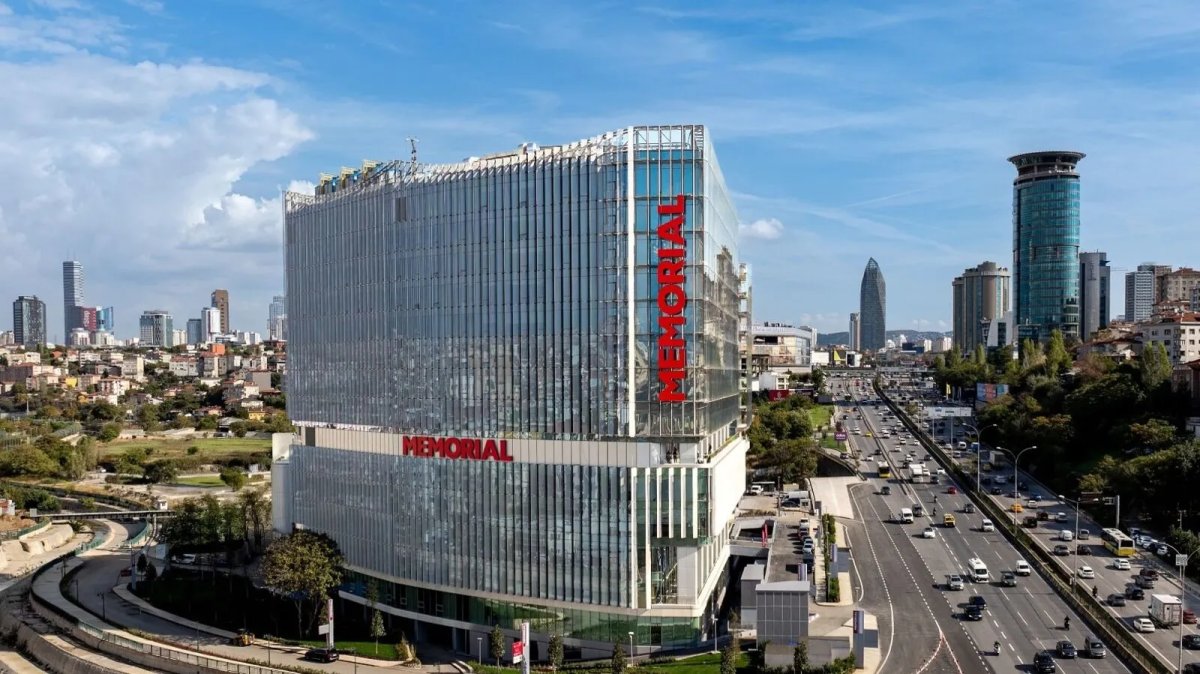
Memorial Göztepe Hospital
احصل على تقييم طبي لـ في تركيا. استشر الآن 10 أطباء ذوي الخبرة.
عرض جميع الأطباء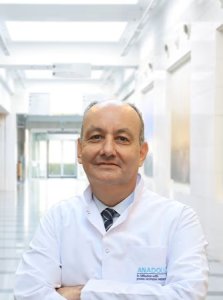
Mehmet Emre Ustundag
الأستاذ الدكتور M. Emre Üstündağ هو أستاذ طب الأنف والأذن والحنجرة وجراحة الرأس والعنق في مركز الأناضول الطبي بغبزة. وهو أستاذ في جامعة كوجالي منذ عام 2006. أتم دراسته الطبية وإقامة اختصاص الأنف والأذن والحنجرة بجامعة إسطنبول بين عامي 1983 و1995. عمل في جامعتي إسطنبول وكوجالي وفي مستشفيات أجيبادم، كما يدير عيادة خاصة منذ عام 2006.
التركيز السريري: أورام الرأس والعنق وجراحتهما؛ طب الأنف وجراحة تجميل الأنف؛ طب الحنجرة؛ رأب الحاجز الأنفي؛ جراحة انقطاع النفس أثناء النوم.
أكمل تدريبا

Dogukan Aydenizoz
يتخصص الدكتور دوغوكان أيدينيزوز في رعاية الأنف والأذن والحنجرة مع التركيز على شلل الحبال الصوتية في مجمع مستشفيات ميديكال بارك أنطاليا.
- أكثر من تسع سنوات من الخبرة في الأنف والأذن والحنجرة وتجميل الوجه
- تدرب في مستشفى أنطاليا للتدريب والبحوث
- عضو الجمعية التركية لجراحة تجميل الوجه
- معروف بالدقة والنهج الذي يركز على المريض

Yavuz Selim Yildirim
حاصل على درجة الماجستير في إدارة المستشفيات والمؤسسات الصحية وعمل في العديد من المؤسسات ، مثل وزارة الصحة مستشفى التدريب والبحوث وجامعة بيزميال. حضر العديد من المؤتمرات الدولية وحصل على جوائز ، وله أوراق بحثية منشورة. تشمل مجالات خبرته تجميل الأنف ، وزراعة القوقعة ، وفقدان السمع ، والتهابات الأذن ، واضطرابات التوازن ، وحساسية الأنف ، وداء السلائل الأنفية ، وجراحة السرطان ، وجراحة تجميل الوجه ، واضطرابات الصوت ، وعقيدات الغدة الدرقية ، والتهاب الجيوب الأنفية ، وجراحة الجيوب التنظيرية ، وأمراض
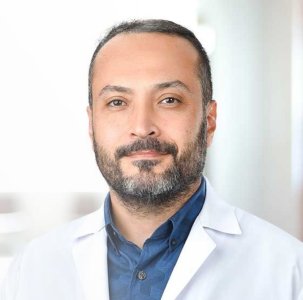
Erkan Vuralkan
الدكتور فورالكان هو أخصائي أنف وأذن وحنجرة ذو أبحاث بارزة حول السمية الأذنية واضطرابات الجيوب الأنفية، ويساهم في علاجات متقدمة للأحبال الصوتية في مستشفى VM Medical Park Florya.
- حاصل على شهادة البورد في الأنف والأذن والحنجرة مع خبرة عشر سنوات
- أبحاث حائزة على جوائز حول السمية الأذنية وحالات الجيوب الأنفية
- عضو الجمعية التركية للأنف والأذن والحنجرة وطب الأنف
- منشورات في مجلات دولية حول علاجات الأنف والأذن الداخلية
- متخصص في إجراءات الأنف والأذن والحنجرة الجراحية والطبية
مشاركة المحتوى
قصص فيديو من مرضى Bookimed
 Anna Leonova
أسئلة متكررة حول علاج شلل الحبال الصوتية في تركيا
ما هي أنواع علاجات شلل الحبال الصوتية المتاحة في تركيا؟
تقدم تركيا علاجات متقدمة لشلل الحبال الصوتية بما في ذلك العلاج الصوتي، ورأب الحنجرة بالحقن (injection laryngoplasty)، ورأب الدرقية بالتقريب (medialization thyroplasty). تستخدم عيادات الأنف والأذن والحنجرة المتخصصة في إسطنبول وأنطاليا معايير اللجنة الدولية المشتركة (JCI) لإجراء عمليات إعادة التعصيب المجهرية (micro-surgical reinnervation) والإجراءات المعتمدة على الليزر لإدارة مجرى الهواء.
- رأب الحنجرة بالحقن: حقن تعبئة طفيفة التوغل باستخدام حمض الهيالورونيك أو الدهون.
- رأب الدرقية بالتقريب: إعادة تموضع جراحي لهيكل الحنجرة لاستعادة قوة وحجم الصوت.
- جراحة إعادة التعصيب: تقنيات متخصصة لزراعة الأعصاب لاستعادة الوظيفة النشطة للحبال الصوتية.
- العلاج الصوتي: إعادة تأهيل موجهة لتحسين التنسيق العضلي وتقليل إجهاد الصوت.
رؤية خبير Bookimed: تُظهر عيادات الأنف والأذن والحنجرة التركية قدرة تقنية عالية للحالات المعقدة. يتخصص الدكتور فوركان سوكمين والبروفيسور الدكتور محمد إمري أوستونداغ بشكل خاص في طب الحنجرة ورأب الدرقية في مراكز رئيسية. يعمل هؤلاء المتخصصون غالباً في مرافق مثل مركز الأناضول الطبي أو ميموريال شيشلي، والتي تخدم مرضى من أكثر من 160 دولة، مما يضمن خبرة واسعة في المعايير الطبية الدولية.
إجماع المرضى: يلاحظ المرضى أن العلاج الصوتي مفيد كخطوة أولى أو كعلاج انتقالي. يؤكد الكثيرون على أهمية التأكد مما إذا كان هدف التعافي هو بشكل أساسي للصوت أو لسلامة البلع أو لتسهيل التنفس.
هل أخصائيو الأنف والأذن والحنجرة الأتراك مؤهلون في طب الحنجرة واضطرابات الصوت؟
يتمتع أخصائيو الأنف والأذن والحنجرة الأتراك بمؤهلات عالية في طب الحنجرة واضطرابات الصوت. يحمل العديد منهم زمالات دولية وشهادات اعتماد من مجالس طبية. يقوم المتخصصون في المراكز المعتمدة من اللجنة الدولية المشتركة (JCI) بإجراءات متقدمة مثل رأب الدرقية (thyroplasty) والتقريب (medialization). تدرب خبراء مثل البروفيسور الدكتور محمد إمري أوستونداغ في ستانفورد ومؤسسات ألمانية.
- مؤهلات متقدمة: غالباً ما يحمل الجراحون شهادات المجلس الأوروبي وزمالات بحث سريري دولية.
- إجراءات متخصصة: يقوم الخبراء بإجراء عمليات رأب الدرقية المعقدة وجراحات الحنجرة بالمنظار لشلل الحبال الصوتية.
- خبرة أكاديمية: ينشر كبار المتخصصين أبحاثاً في مجلات دولية ويشغلون مناصب أساتذة في جامعات كبرى.
- تدريب دولي: يكمل العديد من الأطباء فترات مراقبة في مؤسسات مثل جونز هوبكنز ومعهد هاوس للأذن.
رؤية خبير Bookimed: تتركز خبرة طب الحنجرة التركية بشكل كبير في المستشفيات التابعة للجامعات. على سبيل المثال، يجمع البروفيسور الدكتور ياشار تشوكيسر في مستشفى ليف بجامعة إستينيا في توبكابي بين حجم الجراحات الكبير والبحث العلمي. تسلط منشوراته التي تزيد عن 75 بحثاً وتدريبه في الولايات المتحدة وإيطاليا الضوء على عمق المعرفة الذي تفتقر إليه عيادات الأنف والأذن والحنجرة العامة غالباً.
إجماع المرضى: يؤكد المرضى على أهمية العثور على جراح صوت متخصص بدلاً من طبيب أنف وأذن وحنجرة عام. يعتبر التواصل المباشر بشأن تخطيط كهربائية عضلات الحنجرة والعلاج الصوتي بعد الجراحة أمراً أساسياً للتع
كم يستغرق استعادة الصوت بعد جراحة الأحبال الصوتية في تركيا؟
عادةً ما تتطلب استعادة الصوت بعد جراحة الأحبال الصوتية في تركيا من 3 إلى 14 يوماً من الراحة التامة. يستقر الشفاء الأولي خلال أسبوعين إلى 3 أسابيع. غالباً ما يستغرق التكيف الصوتي الكامل وشفاء الأنسجة التام من 6 إلى 12 شهراً لمعظم المرضى.
- الراحة المطلقة: يجب على المرضى التزام الصمت التام لمدة 3 إلى 5 أيام بعد الجراحة.
- الاستخدام الأولي: يبدأ الاستخدام اللطيف للصوت عادةً بعد أسبوع أو أسبوعين من الإجراء.
- علاج الصوت: تستغرق إعادة التأهيل المتخصصة عادةً من 4 إلى 6 أسابيع لضمان نتائج وظيفية سليمة.
- مرحلة الالتهاب: قد تنخفض جودة الصوت مؤقتاً لمدة 4 أيام بسبب التورم الجراحي الطبيعي.
رؤية خبراء Bookimed: غالباً ما تستخدم مراكز الأنف والأذن والحنجرة التركية مثل مستشفى ميموريال شيشلي فرقاً متعددة التخصصات تشمل معالجي النطق. تظهر بياناتنا أن الأستاذ المشارك الدكتور مراد دامار، في مستشفى أوبتيميد الدولي، متخصص تحديداً في اضطرابات الصوت. يجب على المرضى إعطاء الأولوية للعيادات التي تضم وحدات علاج نطق متخصصة لسد الفجوة بين الشفاء الجراحي والوضوح الوظيفي.
إجماع المرضى: يشير المرضى إلى أن الصوت غالباً ما يبدو ضعيفاً أو خافتاً فور الجراحة. ويؤكدون أن التعافي يحدث على مراحل، ويقترحون ترتيب جلسات علاج متابعة قبل السفر إلى الوطن.
هل الحقن في الحبال الصوتية علاج دائم؟
الحقن في الحبال الصوتية هو علاج طويل الأمد ولكنه مؤقت للقصور المزماري. المواد مثل حمض الهيالورونيك تدوم من 2 إلى 3 أشهر. يمكن أن يدوم هيدروكسي أباتيت الكالسيوم لمدة تصل إلى سنتين. تتطلب النتائج الدائمة عادةً جراحة رأب الحنجرة بدلاً من الحقن وحدها.
- المواد المالئة المؤقتة: يوفر حمض الهيالورونيك حجمًا فوريًا لمدة تتراوح بين 2 إلى 3 أشهر تقريبًا.
- المواد المالئة طويلة الأمد: تحافظ حقن هيدروكسي أباتيت الكالسيوم على النتائج لمدة تتراوح بين 9 إلى 12 شهرًا.
- الهدف من العلاج: يستخدم الأطباء الحقن المؤقتة عندما يكون التعافي العصبي لا يزال ممكنًا.
- البدائل الجراحية: تظل جراحة رأب الحنجرة من النوع الأول هي المعيار لإعادة وضع الحبال الصوتية بشكل دائم.
رؤية خبير بوكيميد (Bookimed): يستخدم أخصائيو الأنف والأذن والحنجرة الأتراك مثل الدكتور مراد دامار أو البروفيسور محمد إمري أوستونداغ الحقن غالبًا كجسر تشخيصي. نظرًا لأن عيادات إسطنبول الرائدة تخدم مرضى من أكثر من 160 دولة، فإنهم يعطون الأولوية لهذه المواد المالئة القابلة للعكس. وهذا يسمح للجراحين باختبار تحسن الصوت قبل الالتزام بإجراء جراحات دائمة وتوغلية.
إجماع المرضى: يلاحظ المرضى أن تغيرات الصوت تكون فورية غالبًا، لكنهم يؤكدون أن العلاج مجرد جسر. وكثيرًا ما يكررون الحقن أثناء انتظار شفاء الأعصاب أو التحضير لجراحة دائمة.
ما هي المراكز التي تُجرى فيها علاجات شلل الحبال الصوتية عادةً في تركيا؟
تُجرى علاجات الصوت المتخصصة في تركيا في مراكز معتمدة من اللجنة الدولية المشتركة (JCI) في إسطنبول وأنقرة. تقدم هذه المرافق خدمات طب الحنجرة المتقدمة مثل الحقن التعويضي ورأب الحنجرة. تشمل المؤسسات الرائدة مستشفى ميموريال شيشلي (Memorial Şişli Hospital) ومستشفى هيسار إنتركونتيننتال (Hisar Hospital Intercontinental). يتخصص الجراحون هنا في أورام الرأس والرقبة وإعادة التأهيل الصوتي.
- مرافق متخصصة: يوفر مستشفى ميموريال شيشلي رعاية شاملة للأنف والأذن والحنجرة باستخدام أنظمة روبوتية متطورة.
- خيارات طفيفة التوغل: يقدم مستشفى هيسار إنتركونتيننتال إجراءات متخصصة لمشاكل الحبال الصوتية.
- أطباء حنجرة خبراء: البروفيسور الدكتور محمد إمري أوستونداغ في مركز الأناضول الطبي متخصص في طب الحنجرة.
- تشخيص متقدم: يستخدم مستشفى ميموريال جوزتيبي (Memorial Göztepe Hospital) التصوير بالرنين المغناطيسي 3 تسلا المدعوم بالذكاء الاصطناعي للحصول على صور دقيقة.
رؤية خبير بوكيميد (Bookimed): غالبًا ما يركز المرضى على عيادات الأنف والأذن والحنجرة العامة. تظهر البيانات أن البحث عن مستشفيات ذات مجالس أورام متعددة التخصصات، مثل مستشفى ميموريال جوزتيبي، أكثر فاعلية. توفر هذه المراكز رعاية متخصصة للشلل المعقد الناجم عن تلف الأعصاب أو الجراحات. هذا المستوى العالي من التخصص يضمن نتائج أفضل لاستعادة الصوت.
إجماع المرضى: يؤكد المرضى على أهمية العثور على طبيب يتعامل تحديدًا مع اضطرابات الصوت بدلاً من طبيب أنف وأذن وحنجرة عام. ويشيرون إلى أن التأكد من تقديم العيادة
ما الذي يسبب شلل الحبال الصوتية الذي يستدعي هذه العلاجات؟
يحدث شلل الحبال الصوتية عندما تتعطل النبضات العصبية المتجهة إلى الحنجرة، مما يستدعي غالبًا تدخلًا مثل رأب الحنجرة أو الحقن التعويضي. تشمل الأسباب الرئيسية الإصابات الجراحية للعصب الحنجري الراجع، أو الأورام التي تضغط على المسارات العصبية، أو الالتهابات الفيروسية، أو الحالات العصبية مثل مرض باركنسون.
- الإصابات الجراحية: تلف الأعصاب أثناء جراحات الغدة الدرقية، أو الرقبة، أو الصدر، أو العمود الفقري هو سبب رئيسي.
- الضغط الناتج عن الأورام: يمكن للأورام الخبيثة أو الحميدة في الغدة الدرقية أو الرئتين أو الرقبة أن تغزو الأعصاب.
- الالتهاب الفيروسي: يمكن أن تسبب العدوى بفيروسات مثل كوفيد-19 أو الهربس التهابات تتلف الأعصاب.
- الإصابات الرضية: يمكن أن تؤدي الإصابات الناتجة عن قوة غاشمة أو الجروح النافذة في الرقبة إلى كدمات أو قطع الأعصاب.
رؤية خبير بوكيميد (Bookimed): تظهر بيانات المرضى أن العيادات التركية تعالج غالبًا حالات معقدة تنطوي على إصابات جراحية سابقة. يتخصص البروفيسور الدكتور محمد إمري أوستونداغ (Mehmet Emre Ustundag) في مركز الأناضول الطبي في طب الحنجرة. تشمل خلفيته التدريب في جامعة ستانفورد، وهو أمر حيوي لإعادة تعصيب العضلات والأعصاب بدقة. اختيار أخصائي لديه خبرة في الزمالة الدولية يضمن توقعات تعافي أكثر دقة.
إجماع المرضى: يلاحظ المرضى أن أعراضًا مثل الصوت المبحوح أو الاختناق عند شرب السوائل تظهر غالبًا فورًا بعد جراحة الرقبة. ويؤكدون على أهمية إجراء تنظير الحنجرة والأشعة المقطعية في وقت مبكر للتأكد مما إذا كان الشلل م
ما هو الجدول الزمني المقترح للتعافي بعد جراحة رأب الحنجرة بالتقريب في تركيا؟
تتطلب جراحة رأب الحنجرة بالتقريب في تركيا إقامة ليلة واحدة في المستشفى وراحة صوتية تامة لمدة 3 أيام. يستغرق التعافي الكامل عادةً أسبوعًا واحدًا. يقوم الأخصائيون الأتراك في المراكز المعتمدة من اللجنة الدولية المشتركة (JCI) بمراقبة استقرار تنفس المرضى قبل الخروج. يستأنف معظم المرضى التواصل الخفيف في غضون 14 يومًا.
- الإقامة في المستشفى: توقع قضاء ليلة واحدة في مراكز مثل مستشفى هيسار إنتركونتيننتال (Hisar Hospital Intercontinental) للمراقبة.
- الراحة الصوتية التامة: يُمنع الكلام أو الهمس أو الضحك خلال الأيام الثلاثة الأولى.
- النشاط البدني: تجنب رفع أوزان تزيد عن 15 رطلاً (حوالي 7 كجم) لمدة أسبوعين على الأقل بعد الجراحة.
- تعديل النظام الغذائي: يُنصح بتناول أطعمة لينة لعدة أيام للتحكم في تهيج الحلق.
رؤية خبير بوكيميد (Bookimed): لا ينبغي للمرضى الخلط بين الإقامة ليلة واحدة في المستشفى واستعادة الصوت بشكل فوري. تشير البيانات الواردة من عيادات مثل مستشفى ميموريال شيشلي (Memorial Şişli Hospital) إلى أن استقرار الصوت يصل إلى ذروته بعد 3 أشهر. خطط للبقاء في تركيا لمدة 5-7 أيام؛ فهذا يسمح للجراحين بفحص شق الرقبة الخارجي قبل السفر.
إجماع المرضى: يلاحظ المرضى أن أصواتهم غالبًا ما تبدو مجهدة أو ضعيفة في البداية بسبب التورم الجراحي. ويؤكدون على أهمية التخطيط لأيام راحة إضافية في تركيا لتجنب الإجهاد البدني الناتج عن السفر الفوري.