علاج الأمراض المرتبطة بـ IgG4 (IgG4 RD) في تركيا — احصل على 3 عيادات مختارة خصيصاً لك


تمت مراجعة المقالة طبيا من قبل
فهد مولود
كيف نعمل؟
ما هي تكلفة الأمراض المرتبطة بـ IgG4 (IgG4 RD) إجراءات التشخيص والعلاج في تركيا؟ اعرف الآن
اكتشف أفضل الأمراض المرتبطة بـ IgG4 (IgG4 RD) العيادات في تركيا: 4 خيارات معتمدة والأسعار



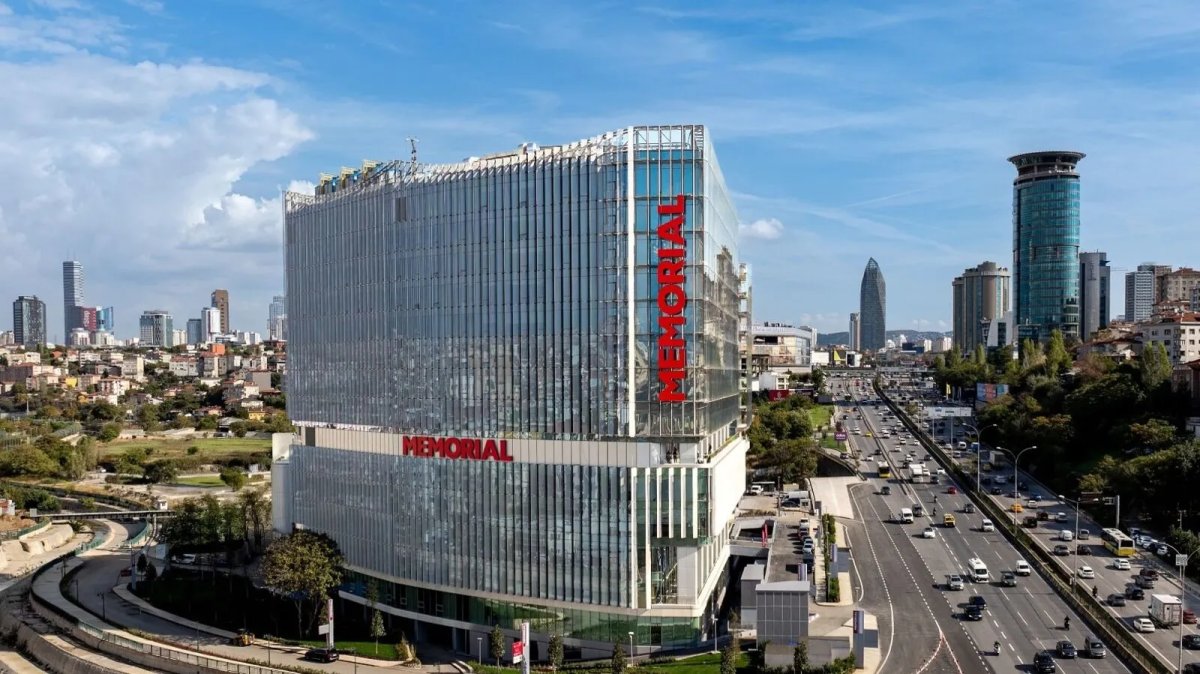
Memorial Göztepe Hospital



احصل على تقييم طبي لـ في تركيا. استشر الآن 9 أطباء ذوي الخبرة.
عرض جميع الأطباء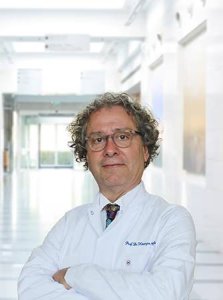
Huseyin Baloglu
البروفيسور حسين بال أوغلو اختصاصي علم الأمراض في مركز الأناضول الطبي بغبزه، كوجالي، تركيا. يركز على علم الأمراض الجزيئي، وعلم الأمراض الجراحي، وخزعات الأورام والتشخيص.
التعليم والاعتمادات: دكتوراه في الطب، كلية طب غاتا (1986). تدريب تخصصي في علم الأمراض، غاتا (1992). أستاذ مشارك (Doçent)، غاتا (2004). باحث زائر في كلية طب ألبرت آينشتاين (نيويورك) وجامعة هايدلبرغ.
الإنجازات: مؤلف لأكثر من 600 منشور مُحكَّم. يحمل براءة اختراع في التشخيص الجزيئي لسرطان الغدة الدرقية. يقود خدمات الخ

البروفيسور سيزر ساغلام
أستاذ طب الأورام مع التركيز على أورام الجهاز الهضمي – يجلب البروفيسور ساغلام خبرة متخصصة في حالات أمراض IgG4 في مستشفى غايريتبي فلورنس نايتنجيل.
- أكثر من _doctor_8336_ سنوات من الخبرة في طب الأورام
- حاصل على زمالة من جامعة إسطنبول – مؤسسة طبية رائدة
- عضو في الجمعية الأوروبية لطب الأورام (ESMO) والجمعية الأمريكية لعلم الأورام السريري (ASCO) – كبرى جمعيات الأورام
- متخصص في أورام الجهاز الهضمي منذ عام 2005

Sefik Igdem
يتخصص الأستاذ الدكتور شفيق إغدم في علاج الأورام بالإشعاع المتقدم في مستشفى غايريتبي فلورنس نايتنجيل.
- ذو خبرة في علاج سرطانات الرأس والرقبة
- يستخدم تقنيات متقدمة مثل Truebeam Stx
- أستاذ في جامعة T.R. Demiroğlu Bilim
- متخصص في العلاجات المطابقة لضمان الدقة

Mustafa Serkan Alemdar
يتخصص الدكتور ألمدار في الأمراض المرتبطة بـ IgG4 مع تدريب مكثف في طب الأورام في مستشفى جامعة أكدينيز.
- حاصل على شهادة البورد في طب الأورام منذ عام 2018
- أكثر من _doctor_9570_ سنوات من الخبرة في الطب الباطني والأورام
- تدرب في جامعة أكدينيز - وهي مؤسسة طبية رائدة في تركيا
- يعمل في مجمع مستشفيات ميديكال بارك أنطاليا
مشاركة المحتوى
قصص فيديو من مرضى Bookimed
 Anna Leonova
أسئلة متكررة حول علاج الأمراض المرتبطة بـ IgG4 (IgG4 RD) في تركيا
ما هو العلاج القياسي للمرض المرتبط بـ IgG4 في تركيا؟
يتضمن العلاج القياسي للمرض المرتبط بـ IgG4 في تركيا بشكل أساسي العلاج بالكورتيكوستيرويد طويل الأمد لتحفيز الهدأة. يصف المتخصصون عادةً بريدنيزولون بجرعات أولية من 30-40 ملغ/يوم. تستخدم مراكز الأورام والروماتيزم التركية عقار ريتوكسيماب للحالات المقاومة للستيرويد أو الانتكاسات المتكررة للحفاظ على وظائف الأعضاء.
- العلاج بالخط الأول: تُستخدم الكورتيكوستيرويدات مثل بريدنيزون في حوالي 92% من الحالات التركية.
- بروتوكول الجرعة: يبدأ الحث بجرعة 0.6 ملغ/كغ/يوم متبوعاً بجدول تناقص تدريجي.
- إدارة الانتكاس: يعمل ريتوكسيماب كعامل بيولوجي عندما تفشل الستيرويدات أو تسبب عدم تحمل.
- العرض السريري: غالباً ما يقدم المرضى الأتراك تليفاً خلف الصفاق يتطلب تصويراً وخزعة متخصصين.
رؤية خبير Bookimed: تدير المستشفيات التركية المعتمدة من JCI مثل Memorial Şişli و Medical Park Antalya المرض المرتبط بـ IgG4 غالباً من خلال وحدات أورام متعددة التخصصات. وبينما تركز البروتوكولات القياسية على الستيرويدات، توفر هذه المراكز أشعة مقطعية بـ 512 شريحة وتصويراً بالرنين المغناطيسي بـ 3 تسلا لمراقبة دقيقة للانتكاسات. تساعد هذه القدرة التشخيصية المتقدمة في تمييز المرض عن السرطان، وهو تحدٍ شائع في الحالات المعقدة.
إجماع المرضى: يشير المرضى إلى أنه على الرغم من زوال الأعراض بسرعة مع الستيرويدات، إلا أنها غالباً ما تظهر مرة أخرى أثناء مرحلة التناقص التدريجي. ويؤكد الكثيرون على أهمية الخزعة المبكرة لمنع التشخيص الخاطئ كونه ورماً.
ما هي المراكز والأخصائيون الأتراك الذين يديرون المرض المرتبط بـ IgG4؟
تدير المراكز التركية في إسطنبول وأنقرة المرض المرتبط بـ IgG4 باستخدام فرق متعددة التخصصات من أخصائيي الروماتيزم وعلماء الأمراض. توفر مرافق مثل مستشفى ميموريال شيشلي (Memorial Şişli Hospital) ومستشفى هيسار (Hisar Hospital) تشخيصات متخصصة، بما في ذلك صبغ الخزعات والعلاج الجهازي. تشمل الخبرات الرئيسية التصوير المتقدم وبروتوكولات العلاج الموجهة.
- التشخيص المتخصص: البروفيسور حسين بالوغلو (Prof. Hüseyin Baloglu) في مركز الأناضول الطبي متخصص في علم الأمراض والتشخيص.
- الرعاية متعددة التخصصات: يوظف مستشفى ميموريال شيشلي 189 طبيباً عبر 92 قسماً طبياً متخصصاً.
- التكنولوجيا السريرية: يستخدم مستشفى ميموريال جوزتيبي (Memorial Göztepe Hospital) رنين مغناطيسي 3 تسلا مدعوم بالذكاء الاصطناعي لتقييم الأعضاء بدقة.
- تنسيق الخبراء: يدمج مستشفى هيسار الطب الباطني والأورام لإدارة الاضطرابات الجهازية المعقدة.
رؤية خبير Bookimed: بينما يبحث الكثيرون عن مراكز الأورام، فإن العامل التمييزي الرئيسي لمرض IgG4-RD في تركيا هو الخبرة في علم الأمراض. لدى البروفيسور حسين بالوغلو أكثر من 600 منشور وتدريب متخصص في مؤسسات عالمية. تركيزه على علم الأمراض الجراحي والتشخيص حيوي لأن هذا المرض النادر يُشخص خطأً بسهولة على أنه سرطان.
إجماع المرضى: يؤكد المرضى على أهمية العثور على مستشفيات من المستوى الثالث حيث يدرك الأطباء أن المرض جهازي (systemic) وليس مشكلة تصيب عضواً واحداً. غالباً ما يشيرون إلى أن التشخيص النهائي يعتمد كلياً على وجود أخصائي علم أمراض ذي خبرة
كم تستغرق مدة العلاج والمتابعة لمرض المرتبط بـ IgG4؟
يتطلب المرض المرتبط بـ IgG4 إدارة طويلة الأمد لأنه حالة مزمنة وقابلة للانتكاس. تستمر مرحلة تحريض الستيرويد الأولية عادةً من 2 إلى 4 أسابيع. ثم يقوم الأطباء بتقليل الدواء تدريجياً على مدى 3 إلى 6 أشهر. غالباً ما يخضع المرضى لمراقبة متابعة لمدة تتراوح بين 1.5 إلى 6 سنوات لاكتشاف النوبات.
- مرحلة التحريض: تعمل الجلوكوكورتيكويدات على تطبيع مستويات الالتهاب في غضون 4 أسابيع من بدء العلاج.
- جدول تقليل الجرعة: يقلل الأطباء جرعات الستيرويد تدريجياً على مدى 6 أشهر لمنع الانتكاسات.
- العلاج الوقائي: يمكن إعطاء الأدوية البيولوجية مثل ريتوكسيماب (Rituximab) كل 6 أشهر للحالات المزمنة.
- فترة المراقبة: تمتد المتابعة السريرية عادةً إلى ما بعد 5 سنوات في حالات إصابة أعضاء متعددة.
رؤية خبير Bookimed: تؤكد مراكز الأورام وعلم الأمراض التركية مثل مركز الأناضول الطبي على التشخيص الجزيئي الدقيق للتمييز بين IgG4-RD والأورام الخبيثة. ونظراً لأن حوالي 40% من المرضى يتعرضون للانتكاس في غضون 12 شهراً، يوصي كبار الأخصائيين غالباً بالاستعانة بالعيادات التي تضم مجالس أورام متعددة التخصصات لتنسيق كبت المناعة طويل الأمد بأمان.
إجماع المرضى: يؤكد المرضى أن العلاج نادراً ما يكون حدثاً لمرة واحدة ويتطلب اليقظة المستمرة. يشيرون إلى أن المتابعة تتحول في النهاية إلى فحوصات أقل تكراراً وتصوير دوري بمجرد استقرار المرض.
هل الجراحة مطلوبة في بعض الأحيان لمرضى الأمراض المرتبطة بـ IgG4 في تركيا؟
تُستخدم الجراحة في المقام الأول للتشخيص أو إدارة المضاعفات الشديدة مثل انسداد الأعضاء في المستشفيات التركية. يقوم الجراحون بإجراء خزعات للتمييز بين آفات المرض والأورام الخبيثة. يحقق معظم المرضى هدوءاً في المرض باستخدام الكورتيكوستيرويدات أو مثبطات المناعة دون الحاجة إلى تدخل جراحي كبير لإدارة المرض.
- الخزعة التشخيصية: يقدم أخصائيو علم الأمراض مثل الدكتور حسين بالوغلو تحليلاً ضرورياً للأنسجة للتأكيد.
- علاج الانسداد: تعمل الإجراءات على حل الانسدادات في القنوات الصفراوية أو الكلى أو البنكرياس.
- إدارة التليف: يعالج الاستئصال التندب الذي لا رجعة فيه والذي لا تستطيع الأدوية علاجه بنجاح بمفردها.
- استبعاد الأورام الخبيثة: يتدخل الجراحون عندما لا يستطيع التصوير استبعاد نمو الأورام السرطانية بشكل قاطع.
رؤية خبير Bookimed: غالباً ما تعمل مراكز الأورام التركية مثل ميموريال شيشلي وهيسار إنتركونتيننتال كمراكز تشخيص لأن مرض IgG4-RD يقلد السرطان في المسوحات. تظهر بياناتنا أن هذه المرافق تستخدم التصوير بالرنين المغناطيسي بقوة 3 تسلا والتصوير المقطعي بالإصدار البوزيتروني (PET/CT) عالي الدقة لتقليل الجراحات غير الضرورية من خلال تحسين دقة التشخيص قبل أي خطوات جراحية.
إجماع المرضى: يلاحظ المرضى أن الجراحة غالباً ما تحدث لأن المرض يبدو تماماً مثل الورم في الفحوصات الأولية. يؤكد الكثيرون على طلب خزعة أولاً لمعرفة ما إذا كان العلاج الطبي يمكن أن يحل محل عملية كبرى.
كيف يقوم الأخصائيون الأتراك بمراقبة وتخصيص الرعاية لمرضى IgG4-RD الدوليين؟
يقوم الأخصائيون الأتراك بمراقبة مرض IgG4-RD من خلال مستويات مصل IgG4 المتسلسلة والعلامات الالتهابية. تستخدم المراكز المعتمدة من قبل اللجنة الدولية المشتركة (JCI) في إسطنبول تصوير المقطع العرضي (CT) بـ 512 شريحة وتصوير الرنين المغناطيسي (MRI) بقوة 3 تسلا للحصول على تصوير عالي الدقة. يتم تخصيص خطط الرعاية باستخدام بروتوكولات الستيرويد المصممة خصيصاً والعوامل البيولوجية بناءً على إصابة الأعضاء المحددة.
- التصوير التشخيصي: يستخدم الأخصائيون التصوير المقطعي بالإصدار البوزيتروني (PET/CT) أو الرنين المغناطيسي المدعوم بالذكاء الاصطناعي لتتبع نشاط المرض الجهازي.
- نقاط فحص العلاج: يستخدم الأطباء الاستجابة الأولية للستيرويدات لتحديد خفض الجرعة أو التحول إلى العلاج البيولوجي.
- فرق الخبراء: يجمع أطباء الروماتيزم والجهاز الهضمي خبراتهم لإدارة المظاهر المعقدة متعددة الأعضاء.
- البروتوكولات الدولية: يتم تعديل الجداول الزمنية السريرية لاستيعاب السفر الدولي وتوقيت الحقن المحلي.
رؤية خبير Bookimed: تظهر بيانات حجم المرضى أن مستشفى هيسار إنتركونتيننتال يخدم 250,000 مريض سنوياً. تقدم المراكز الكبيرة مثل هذه عادةً نوافذ تشخيصية أسرع. يتلقى معظم المرضى الدوليين فحصاً تشخيصياً كاملاً في غضون 3 إلى 7 أيام. هذا التحول السريع أمر بالغ الأهمية لمرض IgG4-RD لمنع تندب الأعضاء الذي لا رجعة فيه.
إجماع المرضى: يؤكد المرضى على ضرورة إحضار شرائح علم الأمراض الأصلية للمراجعة. ويلاحظون أن المتابعة تظل مكثفة لأن المرض يمكن أن ينتكس دون أعراض مرئية.