العلاج الدوائي لمرض الشلل الرعاش في تايلاند — احصل على 3 عيادات مطابقة مع التكاليف


تمت مراجعة المقالة طبيا من قبل
فهد مولود
ما هي تكلفة العلاج الدوائي لمرض الشلل الرعاش في تايلاند؟ اكتشف الآن
تتراوح تكلفة علاج مرض باركنسون في تايلاند بين $800 / 27,200฿ و $1,800 / 61,200฿. يعتمد السعر النهائي على العلامة التجارية للدواء والموقع وتصنيف المستشفى. وتبلغ تكلفة العلاجات المماثلة في المملكة العربية السعودية حوالي _price_compare_SA_average_. يوفر العلاج في تايلاند وفورات تصل إلى _price_percent_discount_%. تشمل الأسعار عادةً استشارات الأطباء والفحوصات التشخيصية وإمدادات الدواء الأولية.
- مصدر الصيدلية: تفرض صيدليات المستشفيات الخاصة رسوماً أعلى بنسبة 50-70% مقارنةً بالمتاجر المحلية في تايلاند.
- العلامة التجارية مقابل البديل: تكلفت العلامات التجارية المستوردة مثل Sinemet أعلى بكثير من البدائل المحلية مثل Levomet.
- مواقع المراكز الطبية: غالباً ما تكون الأسعار في بانكوك وبوكيت أغلى مما هي عليه في المدن الشمالية.
- الفحوصات المتقدمة: قد تزيد تكلفة الباقات التشخيصية المتخصصة بشكل كبير مقارنة بالفحوصات العصبية الأساسية.
رأي خبراء Bookimed: يُنصح المرضى باختيار مراكز معتمدة من JCI مثل مستشفى بامرونجراد الدولي لتقييم الحالة الأولي. صُنفت هذه المستشفى ضمن قائمة أفضل 10 مستشفيات في العالم من قبل نيوزويك. تستقبل المستشفى أكثر من 1,000,000 مريض سنوياً ويعمل بها 1,300 طبيب خبير. وفي حالات العلاج المزمن، يوفر الحصول على وصفة طبية لصرفها من الصيدليات المحلية حوالي 60% من التكاليف. يقدم أطباء أعصاب متميزون مثل دكتور تارا راك-أريكول خدمات تشخيصية رفيعة المستوى في بانكوك. يضمن ذلك تخصيص بروتوكول علاجي دقيق قبل الانتقال إلى مرحلة تجديد الأدوية بأسعار ميسورة على المدى الطويل.
| تايلاند | تركيا | إسبانيا | |
| العلاج الدوائي لمرض الشلل الرعاش | من $800 / 27,200฿ | من $90 / 3,060฿ | من $2,293 / 77,962฿ |
مزاياك وضماناتك مع Bookimed
أسعار مباشرة
Bookimed لا يضيف رسوماً إضافية على أسعار العلاج الدوائي لمرض الشلل الرعاش. الأسعار مأخوذة من قوائم الأسعار الرسمية للعيادات. تدفع مباشرة في العيادة مقابل العلاج الدوائي لمرض الشلل الرعاش عند وصولك.
عيادات وأطباء معتمدون فقط
Bookimed ملتزم بسلامتك. نحن نعمل فقط مع المؤسسات الطبية التي تحافظ على معايير دولية عالية في العلاج الدوائي لمرض الشلل الرعاش ولديها التراخيص اللازمة لخدمة المرضى الدوليين في جميع أنحاء العالم.
مساعدة مجانية على مدار الساعة
Bookimed يقدم مساعدة خبراء مجانية. منسق طبي شخصي يدعمك قبل وأثناء وبعد العلاج، ويحل أي مشاكل. لن تكون وحيداً أبداً في رحلة العلاج الدوائي لمرض الشلل الرعاش.

منسقك الطبي الشخصي في Bookimed
- يدعمك في كل مرحلة
- المساعدة في اختيار العيادة الطبية المناسبة والطبيب المناسب
- يضمن الوصول السريع والمريح إلى المعلومات
اكتشف أفضل العلاج الدوائي لمرض الشلل الرعاش العيادات في تايلاند: 2 خيارات معتمدة والأسعار





The Demarest Clinic
نظرة عامة على العلاج الدوائي لمرض الشلل الرعاش في تايلاند
- جراحة التحفيز العميق للدماغ - من $25,000
يستخدم هذا العلاج التيارات الكهربائية لتحفيز مناطق الدماغ ، وعلاج الأعراض العصبية المنهكة بشكل فعال وآمن.
- العلاج الدوائي لمرض الشلل الرعاش - من $800
يهدف هذا العلاج إلى التحكم في أعراض الاضطراب العصبي ، باستخدام عقاقير مثل Levodopa و MAO-B inhibitors.
اليوم 1
- الوصول إلى البلاد لتلقي العلاج.
- تحقق في إقامتك المرتبة مسبقًا.
اليوم الثاني
- قم بزيارة العيادة من أجل استشارتك الأولية.
- قابل طبيب أعصاب متخصص في مرض باركنسون.
- الخضوع للفحوصات الطبية المطلوبة مثل تحاليل الدم.
- احصل على خطة العلاج التفصيلية الخاصة بك.
اليوم 3-7
- ابدأ العلاج الدوائي لمرض باركنسون.
- قد تشمل الأدوية كاربيدوبا ليفودوبا ، ناهضات الدوبامين ، أو مثبطات MAO B.
- لاحظ أي آثار جانبية وناقشها مع طبيبك.
الأسبوع 2
- يجب الاستمرار في العلاج بالدواء كما هو موصوف من قبل الطبيب.
- قم بزيارة العيادة لإجراء فحوصات منتظمة ومراقبة التقدم.
الأسبوع الثالث
- استمر في تناول الأدوية والفحوصات المنتظمة.
- ابدأ بملاحظة التحسن في أعراض مرض باركنسون.
الأسبوع الرابع
- أكمل دورة العلاج.
- احصل على استشارة نهائية مع طبيب الأعصاب.
- احصل على تعليمات لمواصلة العلاج في المنزل.
بعد العلاج
- المتابعة المنتظمة مع طبيبك المحلي ضرورية.
- يمكن أن يساعد النشاط البدني المنتظم والنظام الغذائي الصحي في التعافي.
يرجى ملاحظة أن عملية العلاج والنتائج يمكن أن تختلف من شخص لآخر.
- إيداع Bookimed: 200 دولار أو 200 يورو.
- وديعة العيادة: ادفع نسبة محددة مقدمًا.
بصفتها المنصة العالمية الرائدة في مجال السياحة العلاجية ، فإن Bookimed.com يتحمل مسؤولية توفير معلومات موثوقة لعملائها ، سواء المرضى أو المراكز الطبية. نهدف إلى توفير معلومات عالية الجودة تتعلق بالعلاج الدوائي لمرض باركنسون في تايلاند واتباع الإرشادات أدناه:
نظام التصنيف التلقائي الذكي
يتم تشكيل قوائمنا من العيادات والأطباء بناءً على اللوائح الصارمة لنظام التصنيف التلقائي الذكي الخاص بنا ، والذي يستخدم أسعار Bookimed الحقيقية للمرضى لتوفير معلومات موضوعية وشفافة حول الخدمات والعيادات الطبية في تايلاند.
يتم جمع البيانات يوميًا من قبل عالم البيانات الخبير لدينا الذي يراقب ويحسن نظام التصنيف باستخدام التعلم الآلي والذكاء الاصطناعي لضمان تحديث نظام التصنيف وتقديم نتائج دقيقة.
تجربة الناس الحقيقية فقط
نحن نجمع فقط المراجعات من عملاء Bookimed الذين لديهم خبرة طبية مع العيادة في تايلاند ، بحيث يمكن لكل شخص على المنصة الوثوق بالمنشأة التي يختارونها. نسعى جاهدين لتوفير محتوى مفيد على منصتنا وضمان حرية التعبير عن الآراء النقدية. وبالتالي ، ننشر مراجعات إيجابية وسلبية ، بهدف أن نكون مصدرًا لاتخاذ قرارات مستنيرة لعملائنا في المستقبل.
مواضيع ذات مستويات عالية من الخبرة والسلطة والجدارة بالثقة
يوفر موقع Bookimed.com الخيارات والراحة للعثور على أفضل الحلول الطبية من كبار مزودي الخدمات الطبية في تايلاند ، غالبًا بأسعار تنافسية. نحن نضمن أن المعلومات التي نقدمها حديثة ، ويقوم ممثلو العيادة بتحديث السير الذاتية للأطباء ، وقدرات العيادات ، والصور قبل وبعد ، والأسعار ، والحزم ، والعروض الخاصة بأنفسهم قريبًا. يمكنك مقابلة ممثل العيادة والتحقق من تاريخ المحتوى المحدث في صفحة كل عيادة للتأكد من مصداقيتها.
تم إنشاء مدونتنا والقطع الداعمة من قبل مؤلفين محترفين يتمتعون بخبرة لا تقل عن 3 سنوات في الكتابة الطبية ويتم تحريرها بواسطة متخصصين طبيين يتمتعون بخبرة إكلينيكية وبحثية ذات صلة. نحن نهدف إلى تعزيز وصول المرضى إلى المعلومات الصحية ، مما يجعلها متخصصة وسهلة الفهم. تتبع جميع القطع إرشادات التحرير الخاصة بـ Bookimed.
القيم المحجوزة
في Bookimed.com ، نقدر الأشخاص ونسعى جاهدين لتوفير معلومات موثوقة لعملائنا. يتم جمع البيانات المقدمة على المنصة وتحريرها ومراجعتها وتحديثها بانتظام من قبل مرضانا والعيادات الشريكة وفريقنا ، بما في ذلك المجلس الاستشاري الطبي Bookimed ، الذي يتكون من أطباء مشهورين عالميًا يتمتعون بأكثر من 20 عامًا من الممارسة والإيجابية سمعة. تعلم المزيد عنا وعن مهمتنا .
إذا وجدت أي أخطاء أو كان لديك أي أسئلة حول المعلومات المقدمة على Bookimed.com بخصوص العلاج الدوائي لمرض باركنسون في تايلاند ، فلا تتردد في الاتصال بنا على marketing@bookimed.com .
احصل على تقييم طبي لـ العلاج الدوائي لمرض الشلل الرعاش في تايلاند: اختر أخصائيك من بين الأفضل في هذا المجال
عرض جميع الأطباء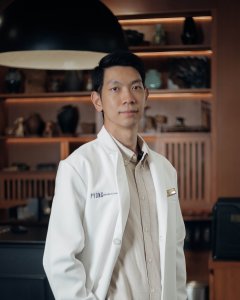
Tara Rak-areekul
تتخصص الدكتورة تارا راك-اريكول في طب الأعصاب الإدراكي واضطرابات الإدراك العصبي، مع التركيز على علاج مرض باركنسون في مجموعة بيونغ لإعادة التأهيل.
- حاصلة على زمالة في طب الأعصاب الإدراكي من مستشفى الملك تشولالونغكورن التذكاري
- رئيسة الشؤون الأكاديمية لأطباء الأعصاب المقيمين في عام 2023
- باحثة نشطة في دراسات مرض الزهايمر والخرف
- حاصلة على شهادة في مقياس المعاهد الوطنية للصحة للسكتة الدماغية وعلاج السكتة الدماغية الحادة
- مؤسسة قناة على يوتيوب حول الوقاية من الخرف

Somjet Tosamran
الدكتور توسامران متخصص في طب الأعصاب مع تدريب زمالة في الصرع في مستشفى الملك تشولالونغكورن التذكاري.
- أكمل الإقامة في طب الأعصاب في مستشفى الملك تشولالونغكورن التذكاري
- حاصل على درجة الماجستير في الطب الباطني من جامعة تشولالونغكورن
- طبيب أعصاب معتمد مع تدريب مكثف في الاضطرابات العصبية
قصص فيديو من مرضى Bookimed
المراجعات
جميع المراجعات
مشاركة المحتوى
 Anna Leonova
أسئلة متكررة حول العلاج الدوائي لمرض الشلل الرعاش في تايلاند
هل يمكن الوثوق بالنسخ الجنيسة (Generic) لأدوية مرض باركنسون في تايلاند؟
تعتبر أدوية مرض باركنسون الجنيسة في تايلاند موثوقة وتخضع لرقابة إدارة الغذاء والدواء التايلاندية (FDA). يجب أن تستوفي هذه الأدوية معايير صارمة للتكافؤ الحيوي وممارسات التصنيع الجيد (GMP). يستجيب حوالي 80% من المرضى بشكل إيجابي، مما يطابق النتائج التي تظهر مع التركيبات الأصلية ذات العلامات التجارية.
- الرقابة التنظيمية: تفرض إدارة الغذاء والدواء التايلاندية معايير صارمة للسلامة والجودة والفعالية لجميع الأدوية الجنيسة.
- إثبات التكافؤ الحيوي: يجب على الشركات المصنعة إثبات أن الأدوية الجنيسة تعمل بشكل متطابق مع العلامات التجارية الأصلية في جسم الإنسان.
- الفعالية السريرية: تظهر الدراسات أن دواء ليفودوبا الجنيس يدير الأعراض بفعالية للغالبية العظمى من المرضى.
- تعديل الجرعة: يحتاج بعض المرضى إلى جرعات يومية أعلى من الأدوية الجنيسة لتحقيق التأثيرات العلاجية الكاملة.
رؤية خبير Bookimed: يجب على المرضى ملاحظة أن المراكز الكبرى المعتمدة من قبل اللجنة الدولية المشتركة (JCI) مثل مستشفى بامرونجراد الدولي توفر غالباً أدوية ذات علامات تجارية. ومع ذلك، تستخدم المستشفيات المجتمعية بشكل أساسي أدوية جنيسة مثل Vopar أو Levomet بسبب السياسة الوطنية. إذا كنت حساساً جداً لفترات «التشغيل والإيقاف» (on-off)، فقد يتطلب الانتقال بين هذه المستويات من المستشفيات فترة معايرة تحت الإشراف.
إجماع المرضى: يوصي العديد من المرضى بالشراء من صيدليات المستشفيات أو السلاسل الكبرى مثل Boots لضمان الأصالة. يبلغ البعض عن تباين طفيف بين الدفعات، مما يشير إلى أهمي
كيف يعمل العلاج الدوائي لمرض باركنسون في إدارة الأعراض؟
يعمل العلاج الدوائي لمرض باركنسون على إدارة الأعراض عن طريق زيادة مستويات الدوبامين أو محاكاة تأثيراته في الدماغ. تتحول علاجات مثل ليفودوبا إلى دوبامين لاستعادة التحكم في الحركة. وتعمل أدوية أخرى، مثل المحفزات أو مثبطات الإنزيمات، على إطالة نشاط الدوبامين أو تحفيز المستقبلات لتقليل الرعشة والتيبس وبطء الحركة.
- تعويض الدوبامين: يعبر ليفودوبا الحاجز الدموي الدماغي ليحل محل الدوبامين المفقود.
- محفزات الدوبامين: تحاكي أدوية مثل براميبيكسول الدوبامين عن طريق تحفيز مستقبلات الدماغ مباشرة.
- مثبطات الإنزيمات: تمنع مثبطات MAO-B مثل راساجيلين تكسير الدوبامين الموجود.
- إدارة خلل الحركة: يساعد أمانتادين في تقليل الحركات اللاإرادية الناتجة عن استخدام الأدوية على المدى الطويل.
رؤية خبراء Bookimed: غالبًا ما يعطي أطباء الأعصاب التايلانديون في مراكز مثل مستشفى بومرونجراد الدولي الأولوية لتعديل الجرعات بدقة بدلاً من العلاج الأحادي بجرعات عالية. من خلال الجمع بين جرعات منخفضة من ليفودوبا ومثبطات MAO-B في وقت مبكر، ينجحون في تأخير ظهور المضاعفات الحركية. تعمل هذه الاستراتيجية على إطالة فعالية الدواء قبل الحاجة إلى خيارات متقدمة مثل التحفيز العميق للدماغ (DBS).
إجماع المرضى: يؤكد المرضى على أهمية تتبع فترات "التشغيل/الإيقاف" (on/off) في دفتر يوميات لمساعدة أطباء الأعصاب في ضبط الجرعات بدقة. يشير الكثيرون إلى أن الحصول على الأدوية من صيدليات المستشفيات الموثوقة في بانكوك يضمن الجودة ويتجنب مخاطر الأدوية المقلدة.
ما هي الآثار الجانبية الشائعة والمخاطر طويلة المدى لأدوية مرض باركنسون؟
تسبب أدوية مرض باركنسون في المقام الأول اضطرابات هضمية قصيرة المدى، ودواراً، واضطرابات في النوم. تشمل المخاطر طويلة المدى حركات لا إرادية تُعرف بخلل الحركة، وتقلبات حركية حيث تتوقف الأدوية عن العمل فجأة، واضطرابات التحكم في الاندفاع. تدير العيادات المتخصصة في تايلاند مثل مستشفى بومرونجراد الدولي هذه التحولات الدوائية المعقدة.
- اضطرابات الجهاز الهضمي: الغثيان والقيء شائعان عند بدء تناول ليفودوبا أو ناهضات الدوبامين.
- المضاعفات الحركية: غالباً ما يتطور خلل الحركة الذي يسبب حركات التواء لا إرادية بعد 5 سنوات من العلاج.
- التحكم في الاندفاع: قد تؤدي ناهضات الدوبامين إلى إثارة سلوكيات المقامرة القهرية، أو فرط الرغبة الجنسية، أو التسوق المفرط.
- ضغط الدم: يمكن أن يسبب انخفاض ضغط الدم الانتصابي دواراً أو إغماءً عند الوقوف بسرعة.
- التأثيرات النفسية: قد يعاني المرضى الأكبر سناً من الارتباك، أو الهلوسة الحية، أو زيادة مستويات القلق.
رأي خبير Bookimed: غالباً ما يغفل المرضى عن أن الوجبات الغنية بالبروتين يمكن أن تعيق امتصاص ليفودوبا في الأمعاء. يؤكد أطباء الأعصاب في مراكز بانكوك الرائدة، مثل الدكتورة تارا راك-أريكول، على أهمية تناول الدواء قبل الأكل بـ 30-60 دقيقة. يمكن أن تؤدي إدارة هذا العامل الوحيد إلى تقليل فترات «التوقف» غير المتوقعة بشكل كبير دون زيادة الجرعات.
إجماع المرضى: يجد الكثيرون أن الغثيان الشديد من الجرعات الأولية يتلاشى في النهاية إذا تم تناولها مع وجبات خفيفة. ومع ذلك، يظل العبء العاطفي
من هو المرشح المثالي للعلاج الدوائي لمرض باركنسون ومتى يجب أن يبدأ؟
المرشحون المثاليون للعلاج الدوائي لمرض باركنسون هم المرضى الذين تبدأ أعراضهم الحركية، مثل الرعشة أو التيبس، في التأثير على الأداء اليومي أو السلامة. يبدأ العلاج عادةً عندما تتداخل الأعراض مع الكتابة أو ارتداء الملابس أو المشي، وغالبًا ما يُشار إلى ذلك من خلال درجة تزيد عن 20 في مقياس تقييم مرض باركنسون الموحد (UPDRS).
- التداخل الوظيفي: ابدأ العلاج عندما تعيق الأعراض المهام اليومية الأساسية مثل ارتداء الملابس أو الطهي.
- الاختيار بناءً على العمر: غالبًا ما يبدأ المرضى الذين تزيد أعمارهم عن 60 عامًا باستخدام ليفودوبا لتحسين التحكم الحركي.
- استراتيجية البداية المبكرة: قد يبدأ المرضى الذين تقل أعمارهم عن 50 عامًا باستخدام ناهضات الدوبامين لتأخير خلل الحركة.
- مخاوف السلامة: يوصى بالعلاج الفوري إذا كان هناك عدم استقرار أو مخاطر السقوط.
رأي خبير Bookimed: توفر تايلاند ميزة استراتيجية للإدارة طويلة الأمد لأن المراكز الرائدة مثل مستشفى بومرونجراد الدولي تجمع بين الرعاية المعتمدة من JCI وتوفير كبير في التكاليف. في حين أن تكلفة الأدوية في تايلاند تتراوح بين $800 و $1,800، فإن نفس العلاج يكلف في المتوسط _price_compare_US_average_ في الولايات المتحدة. يسمح هذا الفرق البالغ _price_percent_discount_% للمرضى الدوليين بالحصول على الأدوية الأصلية ذات العلامات التجارية والمراقبة العصبية المتخصصة التي قد تكون باهظة الثمن في أماكن أخرى.
إجماع المرضى: يقترح العديد من المرضى تتبع الأعراض لمدة 3 إلى 6 أشهر قبل بدء ا
كيف سيتم مراقبة وتعديل نظام دوائي بعد السفر إلى تايلاند؟
يتم مراقبة نظام علاج مرض باركنسون الخاص بك في تايلاند من خلال استشارات طبية عن بُعد فورية وإشراف عصبي محلي. يقوم المتخصصون في المرافق المعتمدة من قبل اللجنة الدولية المشتركة (JCI) مثل مستشفى بامرونجراد الدولي بتعديل الجرعات باستخدام سجلات الأعراض في الوقت الفعلي. تتم المتابعات الأولية أسبوعياً عبر تطبيقات متخصصة لإدارة الانتقال بين المناطق الزمنية وفعالية الدواء.
- إدارة المناطق الزمنية: قم بتغيير توقيت الجرعات بمقدار 1-2 ساعة يومياً لتتوافق مع التوقيت التايلاندي المحلي.
- المراقبة الرقمية: استخدم سجلات الأعراض على تطبيق Line لمراجعة الجرعات أسبوعياً من قبل المتخصصين.
- الوصول إلى المتخصصين: استشر أطباء الأعصاب مثل الدكتورة تارا راك-أريكول في بانكوك لإجراء تعديلات سريرية شخصية.
- البدائل المحلية: تحقق من توفر العلامات التجارية في صيدليات المستشفيات للإقامات التي تتجاوز 30 يوماً.
رؤية خبير Bookimed: بينما يركز العديد من المرضى على المستشفيات الكبيرة، فإن اختيار عيادات مثل مجموعة PYONG لإعادة التأهيل يوفر الوصول إلى أطباء أعصاب حائزين على جوائز ومتخصصين تحديداً في الاضطرابات العصبية المعرفية. غالباً ما يستخدم هؤلاء المتخصصون جداول متابعة مكثفة تكون أكثر تكراراً من الفحوصات الشهرية القياسية الموجودة في نماذج الرعاية في الولايات المتحدة.
إجماع المرضى: يوصي المرضى ببدء الاستشارات عن بُعد في يومك الأول في تايلاند لمنع تفاقم الأعراض. يقترح الكثيرون حمل أدوية تكفي لمدة 6 أشهر بالإضافة إلى الوصفات الطبية الأصلية لتجنب فجوات التغط
ماذا يحدث إذا أصبح الدواء أقل فعالية بمرور الوقت؟
يصبح الدواء أقل فعالية عندما يطور الجسم تحملاً للدواء أو عندما يتطور المرض الأساسي. في علاج مرض باركنسون، غالباً ما يعاني المرضى من تلاشي مفعول الدواء، حيث تعود الأعراض قبل موعد الجرعة التالية. يتطلب هذا عادةً تعديل توقيت الجرعات أو إضافة علاجات تكميلية للحفاظ على مستويات مستقرة من الدوبامين.
- التكيف البيولوجي: تصبح المستقبلات أقل حساسية أو ينخفض عددها بعد سنوات من الاستخدام المستمر.
- التصفية الأيضية: يقوم الكبد بمعالجة الأدوية بكفاءة أكبر، مما يقصر النافذة العلاجية لكل جرعة.
- تطور المرض: غالباً ما يعكس انخفاض الفعالية تقدم التنكس العصبي بدلاً من مجرد فشل الدواء نفسه.
- فقدان الفعالية: يمكن للعوامل الخارجية مثل الرطوبة العالية أو الحرارة أن تؤدي إلى تدهور المكونات الكيميائية النشطة بسرعة.
رؤية خبير Bookimed: تظهر البيانات من مراكز تايلاندية رائدة مثل مستشفى بامرونجراد الدولي تحولاً نحو استراتيجيات متعددة الوسائط. بدلاً من مجرد زيادة ليفودوبا، والتي يمكن أن تؤدي إلى تحمل أسرع، غالباً ما يقدم متخصصون مثل الدكتور تارا راك-أريكول مثبطات COMT أو ناهضات الدوبامين. هذا النهج يطيل عمر النصف للدواء ويؤخر الحاجة إلى تدخلات أكثر توغلاً مثل التحفيز العميق للدماغ.
إجماع المرضى: يجد الكثيرون أن تعديل توقيت الجرعة كل 3-4 ساعات أكثر فعالية من تناول كميات أكبر. ويؤكدون على أهمية النظر إلى هذا التحول كخطوة طبيعية في رحلة علاجهم بدلاً من اعتباره أزمة طبية.
هل يمكنني الاستمرار في مراجعة طبيب الأعصاب الخاص بي في بلدي أثناء تلقي العلاج في تايلاند؟
يمكنك الحفاظ على الرعاية مع طبيب الأعصاب الخاص بك في بلدك من خلال الطب عن بعد ومشاركة السجلات الطبية أثناء تلقي علاج مرض باركنسون في تايلاند. تستخدم المراكز المحلية مثل مستشفى بامرونجراد الدولي التصوير الرقمي والسجلات الصحية الإلكترونية لتسهيل التنسيق الدولي. يجب أن يتم إصدار جميع الوصفات الطبية المحلية الصالحة من قبل طبيب أعصاب تايلاندي محلي.
- إمكانية الوصول إلى الطب عن بعد: تستخدم مرافق مثل مستشفى بامرونجراد الدولي تقنيات متقدمة للطب عن بعد والسجلات الصحية الإلكترونية.
- لوائح الوصفات الطبية: تتطلب الصيدليات التايلاندية وصفات طبية محلية من أطباء مثل أولئك الموجودين في مركز PYONG لإعادة التأهيل.
- التنسيق السريري: يضمن اعتماد اللجنة الدولية المشتركة (JCI) تقارير طبية موحدة لطبيبك في بلدك.
- الخبرة المتخصصة: يقوم الجراحون في المراكز الكبرى بإجراء تحفيز الدماغ العميق بدءاً من $25,000.
رؤية خبير Bookimed: غالباً ما يجد المرضى الذين يوفرون ما يصل إلى _price_percent_discount_% أن أكثر من 1300 طبيب في المراكز الكبرى في تايلاند يوفرون متابعات أكثر تكراراً من العيادات الغربية. في حين تتراوح تكلفة العلاج الدوائي من $800 إلى $1,800، فإن القيمة الحقيقية تكمن في نسبة الأطباء إلى المرضى العالية. وهذا يسمح بتعديل دقيق لتوقيت تناول الليفودوبا، والذي يمكن لأطباء الأعصاب في بلدك مراقبته عن بعد.
إجماع المرضى: يؤكد المرضى على مشاركة جميع سجلات العلاج التايلاندية فوراً عبر البريد الإلكتروني لمنع تعارض
هل يتطلب الأمر دخول المستشفى أثناء تحسين الأدوية في تايلاند؟
عادةً لا يتطلب تحسين أدوية مرض باركنسون في تايلاند دخول المستشفى. يدير معظم المرضى عملية تعديل الجرعات من خلال العيادات الخارجية، باستخدام زيارات متابعة أسبوعية أو نصف أسبوعية. يقوم المتخصصون في مراكز مثل مستشفى بومرونجراد الدولي بمراقبة الأعراض وتعديل مجموعات الأدوية بينما يقيم المرضى في فنادق محلية أو في منازلهم.
- نموذج الإدارة: الرعاية الخارجية هي المعيار لتعديل الأدوية الروتيني والمراقبة.
- المدة المعتادة: تستغرق عملية التحسين الأولية عادةً من 6 إلى 12 أسبوعًا من التعديلات المجدولة.
- استثناءات التنويم الداخلي: تحدث فترات الإقامة في المستشفى لمدة 3 إلى 5 أيام بشكل رئيسي للحالات المعقدة.
- أدوات المراقبة: غالبًا ما يستخدم المرضى مذكرات الأعراض وأجهزة تتبع النشاط بين مواعيد العيادة.
رؤية خبير Bookimed: تُظهر البيانات اتجاهًا واضحًا نحو نماذج المستشفيات النهارية في عيادات بانكوك عالية التقنية. توفر هذه البرامج مراقبة مكثفة من الصباح حتى المساء دون تكلفة الإقامة الليلية. يعد هذا النهج المتوسط فعالًا للغاية للمرضى الدوليين الذين يحتاجون إلى إشراف متخصص ولكنهم يفضلون الراحة والتكلفة المنخفضة للفندق القريب.
إجماع المرضى: يجد العديد من المرضى أن جدول تعديل الجرعات في العيادات الخارجية يمكن إدارته، ويقدرون القدرة على مراقبة الآثار الجانبية الخفيفة في بيئة تشبه المنزل. غالبًا ما يكملون زيارات العيادة الشخصية بمتابعات عبر الطب الاتصالي بمجرد استقرار مستويات الأدوية الأولية.