
4.5
(29 تقييمات) 24سنة خبره ١٦ سنة
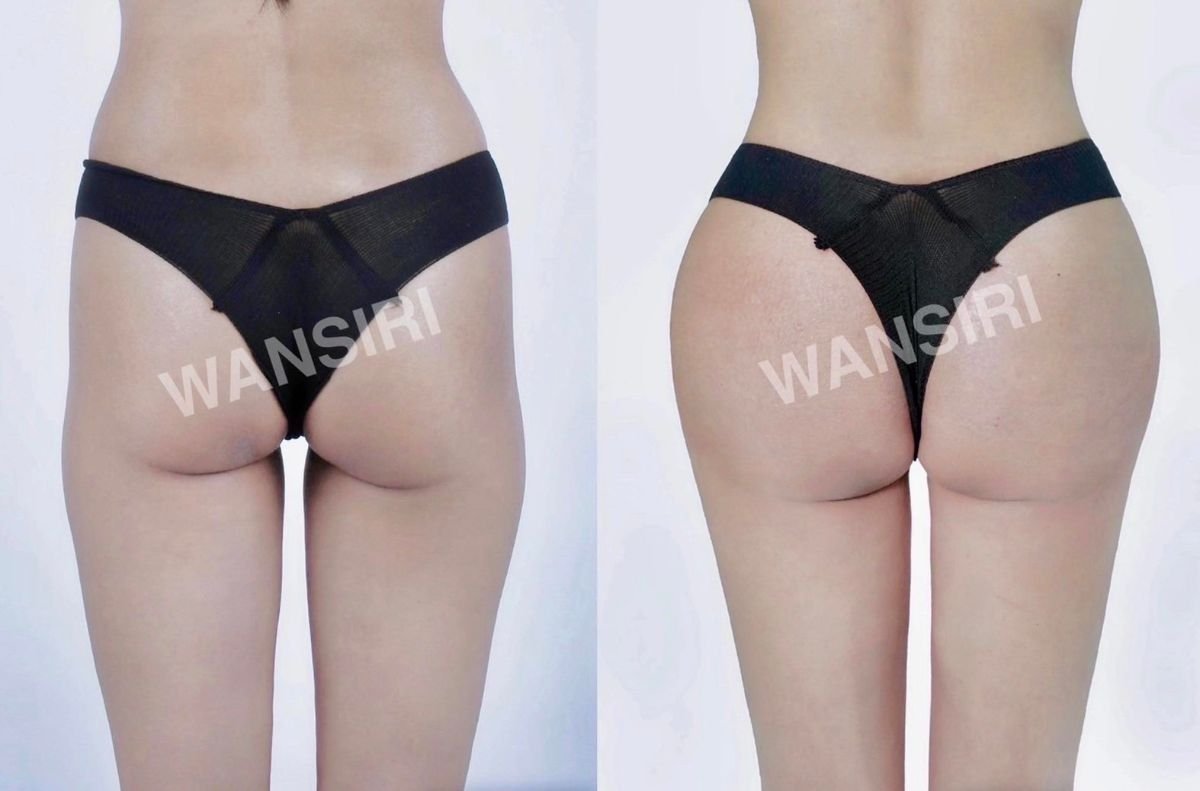
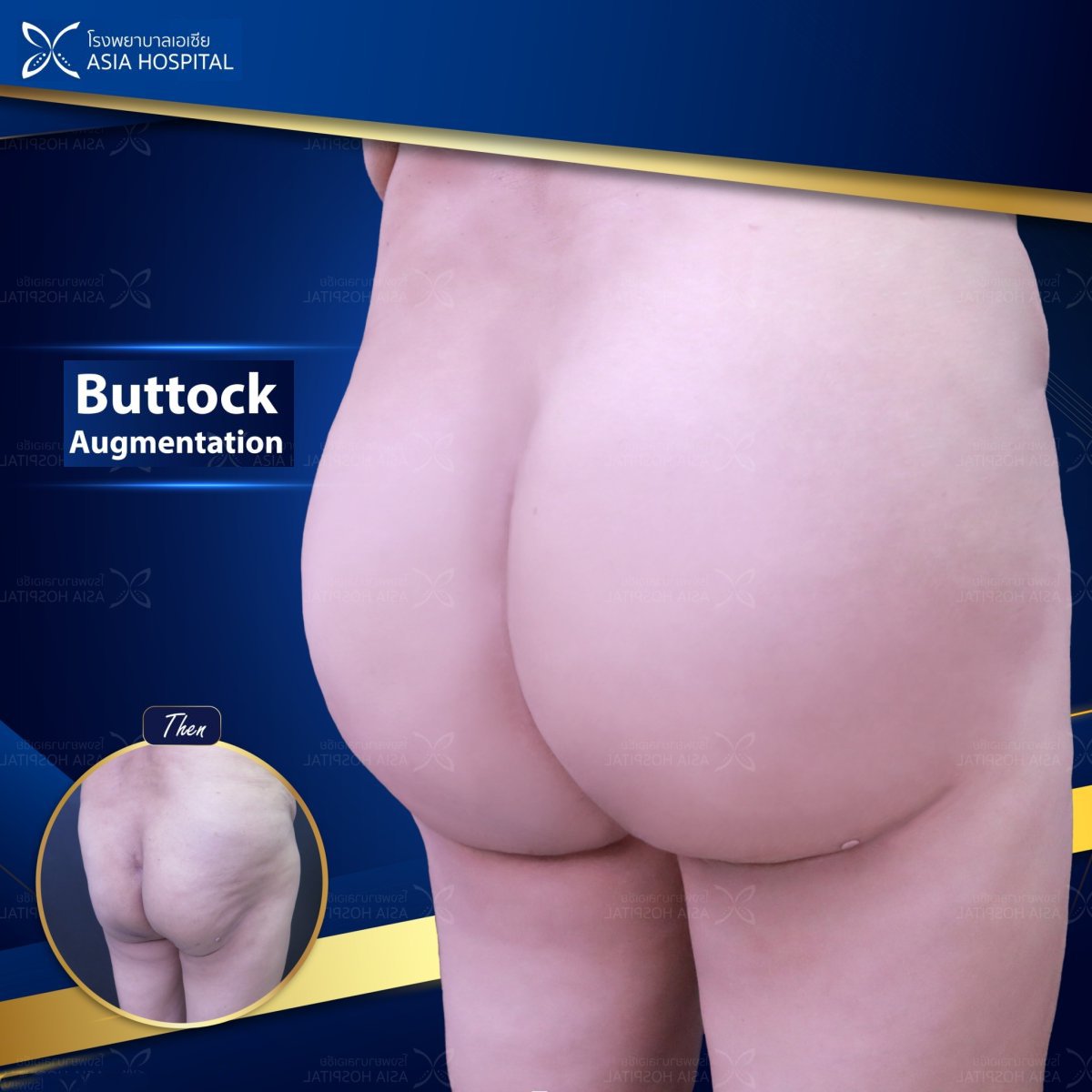
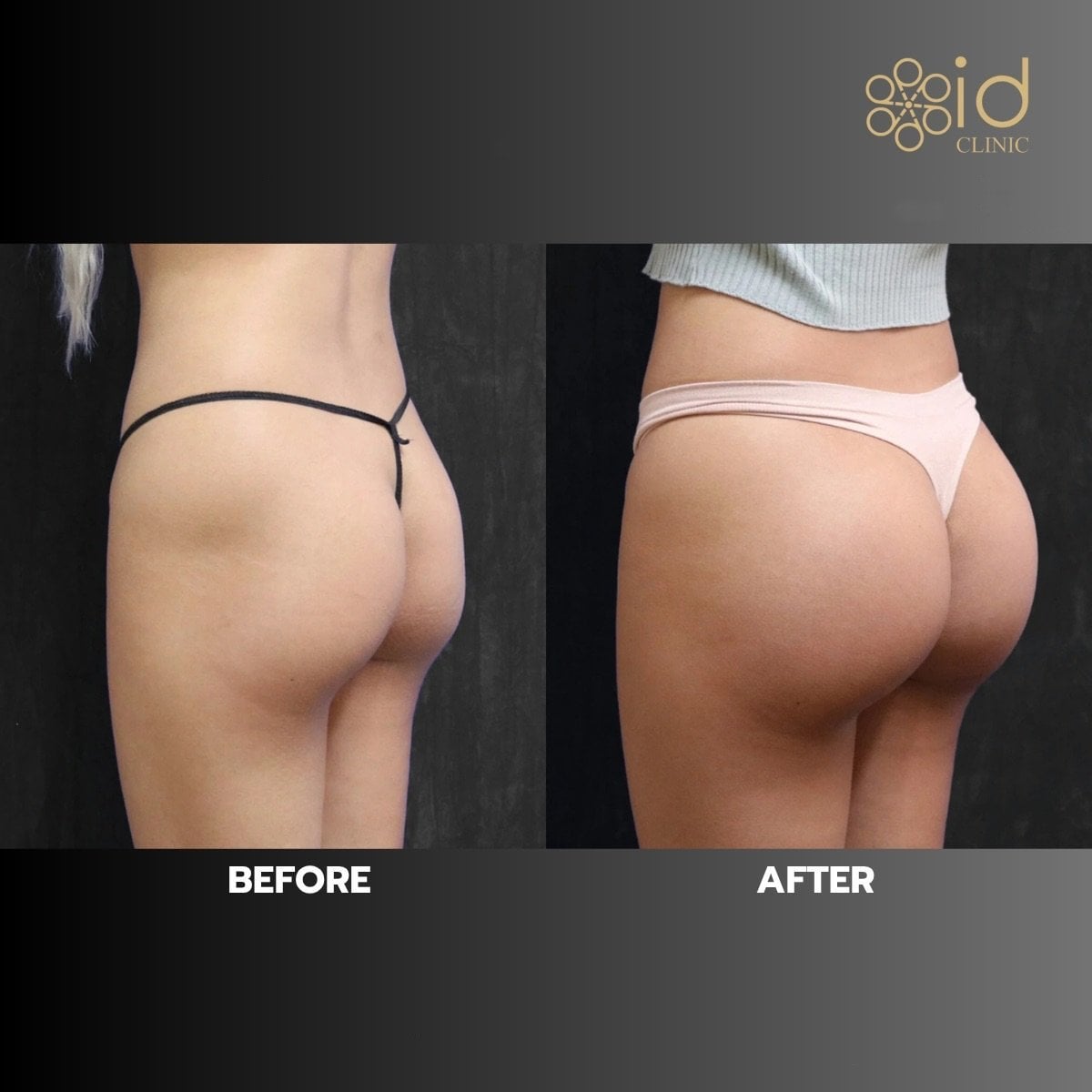
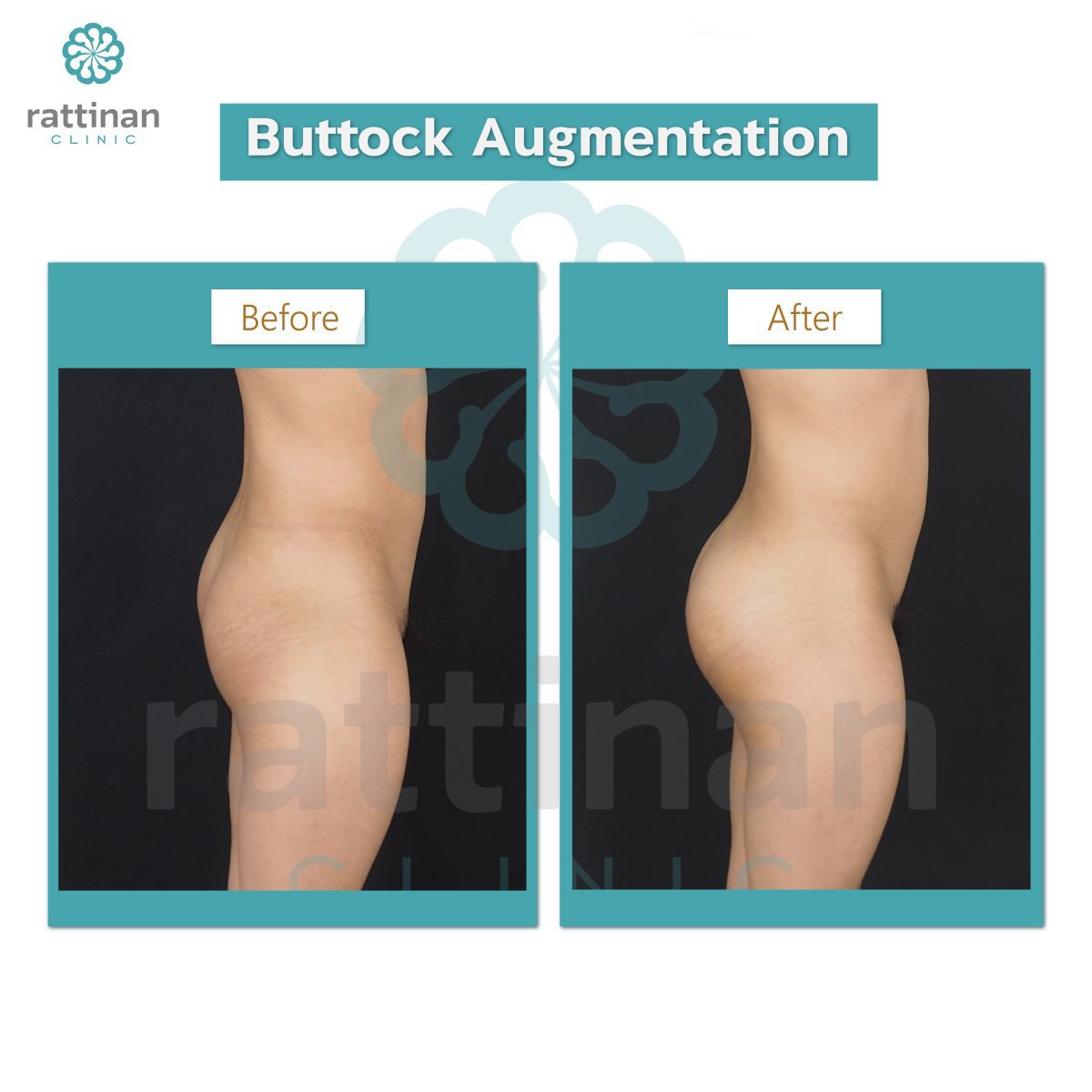
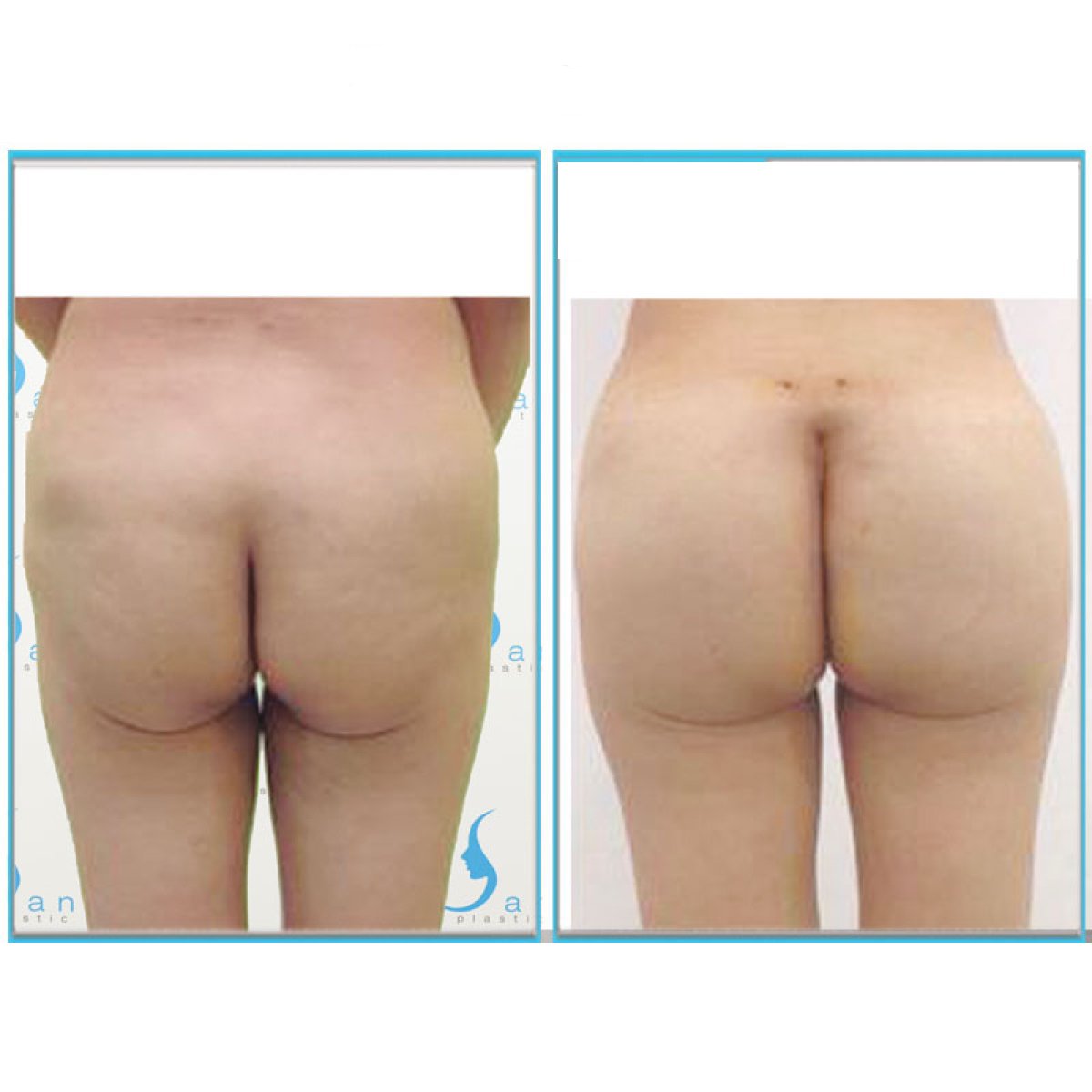
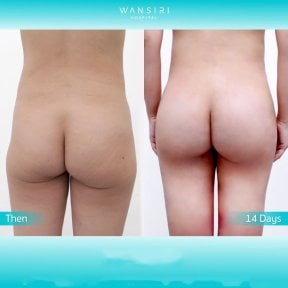
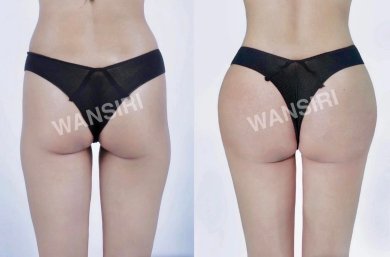
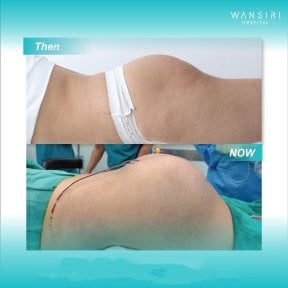
زراعة الأرداف — 10 ليالٍ في الفندق مع إقامة كاملة بإشراف أخصائي تغذية
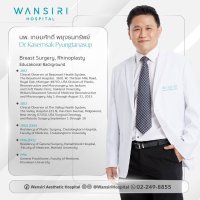
تغطي هذه الحزمة الشاملة التي تبلغ تكلفتها حوالي 8,200 دولار الجراحة، وإقامة للتعافي لمدة 15 يوماً، والرعاية اللاحقة للعملية دون أي رسوم خفية. يجري الدكتور كاسيمساك بيونجتاناسوب، الذي حصل على تدريب متقدم في الولايات المتحدة وأجرى أكثر من 900 عملية جراحية، عملياته في غرفة نظيفة من الفئة 100 - وهي بيئة جراحية أنظف بـ 100 مرة من المعايير القياسية. تلي الإقامة في المستشفى لمدة 5 ليالٍ قضاء 10 ليالٍ في فندق جراند هوارد، مع وجبات غذائية يشرف عليها أخصائي تغذية وتوصيلات ممتازة. يحمل مستشفى وانسيري اعتماد الكلية الملكية للجراحين في تايلاند ويسجل نسبة توصية من المرضى تصل إلى 98%.