فقر الدم فانكوني العلاج في إسبانيا - التكاليف 2026


تمت مراجعة المقالة طبيا من قبل
فهد مولود
ما هي تكلفة فقر الدم فانكوني إجراءات التشخيص والعلاج في إسبانيا؟ اعرف الآن
مزاياك وضماناتك مع Bookimed
أسعار مباشرة
Bookimed لا يضيف رسوماً إضافية على أسعار علاج فقر الدم فانكوني. الأسعار مأخوذة من قوائم الأسعار الرسمية للعيادات. تدفع مباشرة في العيادة مقابل علاجك عند وصولك إلى البلد.
عيادات وأطباء معتمدون فقط
Bookimed ملتزم بسلامتك. نحن نعمل فقط مع المؤسسات الطبية التي تحافظ على معايير دولية عالية في علاج فقر الدم فانكوني ولديها التراخيص اللازمة لخدمة المرضى الدوليين في جميع أنحاء العالم.
مساعدة مجانية على مدار الساعة
Bookimed يقدم مساعدة خبراء مجانية. منسق طبي شخصي يدعمك قبل وأثناء وبعد العلاج، ويحل أي مشاكل. لن تكون وحيداً أبداً في رحلة علاج فقر الدم فانكوني.

منسقك الطبي الشخصي في Bookimed
- يدعمك في كل مرحلة
- المساعدة في اختيار العيادة الطبية المناسبة والطبيب المناسب
- يضمن الوصول السريع والمريح إلى المعلومات
اكتشف أفضل فقر الدم فانكوني العيادات في إسبانيا: 1 خيار معتمدة والأسعار


احصلوا على تقييم طبي لـ فقر الدم فانكوني في إسبانيا: استشيروا أطباء ذوي خبرة الآن
عرض جميع الأطباء
Blanca Lopez Ibor
أكثر من _doctor_683_عاماً_ من الخبرة في أمراض الدم والأورام لدى الأطفال - يقود الدكتور لوبيز إيبور وحدة HM Madrid المخصصة للأطفال المصابين بأمراض الدم والأورام الخطيرة.
- متخصص في تشخيص أمراض كريات الدم الحمراء، والنخاع، والجهاز اللمفاوي
- يرأس مؤسستين تركزان على تحسين علاج الأطفال وجودة حياتهم
- مستشار لمنظمة الصحة العالمية واليونسكو
- محاضر في جامعة كومبلوتنسي بمدريد وجامعة CEU سان بابلو
- عضو في الجمعية الأمريكية لأمراض الدم والجمعية الدولية لأورام الأطفال
مشاركة المحتوى
قصص فيديو من مرضى Bookimed
 Anna Leonova
أسئلة متكررة حول علاج فقر الدم فانكوني في إسبانيا
ما هي خيارات العلاج المتقدمة لفقر دم فانكوني الفريدة في إسبانيا؟
تقدم إسبانيا علاجاً جينياً فريداً خالياً من العلاج الكيميائي لمرضى فقر دم فانكوني. يستخدم هذا النهج البروتوكول الإسباني لتصحيح الخلايا الجذعية للمريض جينياً دون الحاجة إلى تهيئة سامة مسبقة. يتم إعادة حقن هذه الخلايا المصححة، حيث تتفوق طبيعياً على الخلايا المريضة داخل نخاع العظم.
- بروتوكول بدون تهيئة: يستبدل العلاج الكيميائي القاسي بإعادة حقن غير سامة للخلايا المصححة.
- تجربة FANCOLEN-1: تضمن الأبحاث المثبتة من CIEMAT استقراراً طويل الأمد لتعداد خلايا الدم.
- كفاءة خارج الجسم (Ex vivo): معالجة أسرع للخلايا تحافظ على الخلايا الجذعية الهشة من أجل تكاثر أفضل.
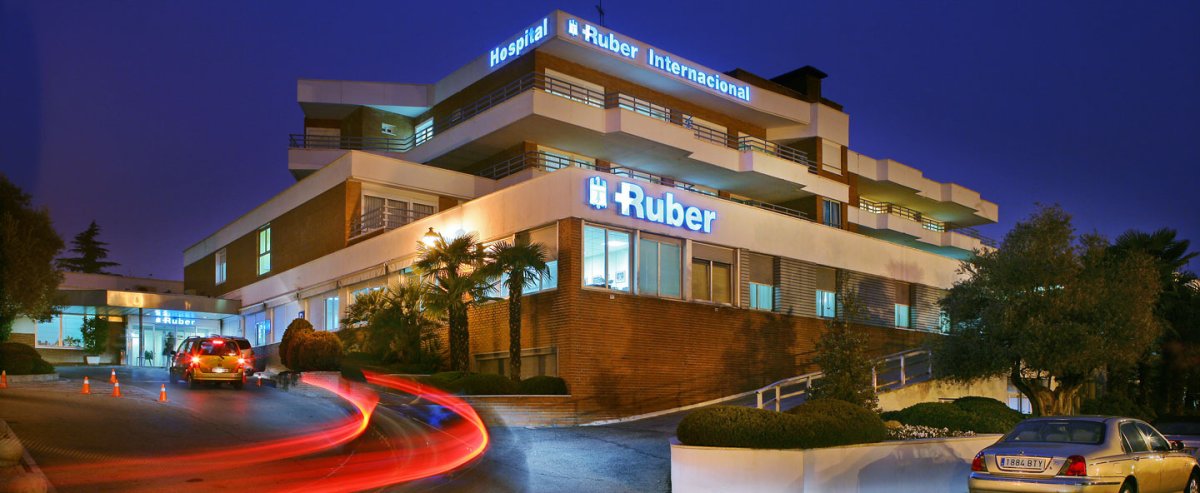
- مراكز متعددة التخصصات: توفر المراكز المعتمدة من JCI مثل مستشفى روبير الدولي (Hospital Ruber Internacional) رعاية أورام الأطفال الشاملة.
رؤية خبير Bookimed: تسد شبكة الأبحاث في إسبانيا الفجوة بين التجارب السريرية والرعاية الخاصة. بينما تقود المعاهد العامة مثل مستشفى الأطفال الجامعي نينيو خيسوس (Hospital Infantil Universitario Niño Jesús) الابتكار، توفر المرافق الخاصة مثل مستشفى روبير الدولي سلامة معتمدة من JCI لأورام الأطفال المعقدة. تدعم هذه البنية التحتية كلاً من بروتوكولات التصحيح الجيني عالية التخصص والمراقبة المكثفة طويلة الأمد المطلوبة لاضطرابات الدم النادرة.
إجماع المرضى: يؤكد المرضى أن اختيار مركز لديه خبرة محددة في زراعة نخاع العظم لمرضى فانكوني أهم من الموقع الجغرافي. وغالباً ما يسلطون الضوء على الحاجة إلى متابعة متعددة التخصصات مدى الحياة لإدارة المضاعفات ا
هل يتطلب العلاج الجيني الإسباني العلاج الكيميائي أو الإشعاعي؟
لا يتطلب العلاج الجيني الإسباني لفقر دم فانكوني العلاج الكيميائي أو الإشعاعي. يلغي هذا البروتوكول القائم على التجارب التكييف السام لتجنب إتلاف الحمض النووي الحساس. يتلقى المرضى نسخًا مصححة وراثيًا من خلاياهم الجذعية. لا توجد حاجة إلى أدوية مثبطة للمناعة أو مطابقة للمانحين لهذا العلاج الرائد.
- بروتوكول التكييف: يستخدم الإجراء تكييفًا صفريًا بدون علاج كيميائي أو إشعاعي.
- ملف السمية: تجنب الإشعاع يقلل بشكل كبير من سمية الأدوية والأضرار الجهازية طويلة المدى.
- تثبيط المناعة: استخدام خلايا المريض نفسه يلغي الحاجة إلى أدوية مدى الحياة.
- الإقامة في المستشفى: غالبًا ما يتعافى الأطفال بسرعة ويغادرون المستشفى في غضون أيام.
رؤية خبير Bookimed: تستضيف إسبانيا أكثر من 80 عيادة متخصصة، مما يعكس بنية تحتية طبية قوية لأمراض الدم لدى الأطفال. يجلب كبار المتخصصين مثل الدكتورة بلانكا لوبيز إيبور في مستشفيات HM أكثر من 30 عامًا من الخبرة في أمراض الدم إلى مدريد. تضمن هذه الخبرة المهنية المركزة حصول الآباء على إمكانية الوصول إلى بعض أكثر قدامى المحاربين في طب أورام الأطفال رسوخًا في أوروبا.
إجماع المرضى: يؤكد الآباء على الوضوح بشأن ما إذا كانت العملية تجربة أم عملية زرع قياسية. إنهم يركزون على تجنب الإشعاع لأن مرضى فانكوني لديهم حساسية شديدة للعلاجات التي تلحق الضرر بالحمض النووي.
ما هي المستشفيات في إسبانيا المتخصصة في فقر دم فانكوني؟
تعد إسبانيا مركزاً عالمياً لرعاية فقر دم فانكوني. تشمل المراكز المتخصصة مستشفى الأطفال الجامعي نينيو خيسوس (Hospital Infantil Universitario Niño Jesús) ومستشفى سانت جوان دي ديو في برشلونة (SJD Barcelona Children's Hospital). توفر هذه المرافق تجارب متقدمة في العلاج الجيني وزراعة الخلايا الجذعية. وهي حاصلة على اعتماد اللجنة الدولية المشتركة (JCI) وتتعاون مع شبكات أبحاث الأمراض النادرة.
- أطباء أمراض الدم المتخصصون: ترأس الدكتورة بلانكا لوبيز إيبور في مستشفى HM مدريد وحدات أمراض الدم للأطفال.
- مواقع العلاج الجيني: يعمل مستشفى نينيو خيسوس كموقع رئيسي للنوع الفرعي A من فقر دم فانكوني.
- المرافق المعتمدة: يلتزم مستشفى روبر الدولي (Hospital Ruber Internacional) بمعايير JCI لإجراءات الخلايا الجذعية المعقدة.
- الرعاية الشاملة: تنسق مراكز برشلونة مثل فال دي هيبرون (Vall d'Hebron) عمليات إعادة حقن الخلايا الجذعية وتصنيعها.
رؤية خبير Bookimed: يوفر القطاع الخاص في إسبانيا ميزة كبيرة للمرضى الدوليين من خلال خبراء مرموقين مثل الدكتورة بلانكا لوبيز إيبور. بفضل خبرة تزيد عن 30 عاماً وعضويتها في الجمعية الأمريكية لأمراض الدم، توفر هذه المتخصصة الوصول إلى نفس المعايير السريرية المتبعة في المستشفيات الجامعية العامة دون فترات الانتظار الإدارية الطويلة الشائعة في استشارات الأمراض النادرة.
إجماع المرضى: يؤكد المرضى على أهمية العثور على مستشفيات من المستوى الثالث تجمع بين أمراض الدم وعلم الوراثة ومراقبة السرطان. ويشيرون إلى أن تنسيق هذه التخص
هل العلاج الجيني متاح على نطاق واسع لجميع متغيرات فقر دم فانكوني في إسبانيا؟
العلاج الجيني لفقر دم فانكوني في إسبانيا ليس متاحاً على نطاق واسع لجميع المتغيرات. يقتصر العلاج الحالي على مجموعة التكملة FA-A. يقتصر الوصول إلى هذا العلاج على تجارب سريرية محددة. يتلقى معظم المرضى الرعاية التقليدية مثل عمليات زرع نخاع العظم بدلاً من التدخلات القائمة على الجينات.
- توافر العلاج: العلاج مخصص حصرياً للنوع الفرعي FA-A من خلال تجارب المرحلة الأولى/الثانية.
- الإعداد السريري: تتم الإجراءات في مراكز متخصصة مثل مستشفى الأطفال الجامعي نينيو خيسوس (Hospital Infantil Universitario Niño Jesús).
- آلية العلاج: تقوم النواقل الفيروسية البطيئة بتصحيح الخلايا خارج الجسم دون استخدام تكييف كيميائي سام.
- نافذة الأهلية: يجب أن يتم حصاد الخلايا الجذعية في وقت مبكر قبل بدء فشل نخاع العظم الشديد.
- الوضع التنظيمي: تقوم وكالة الأدوية الأوروبية حالياً بمراجعة هذه العلاجات للحصول على الموافقة التجارية.
رؤية خبير Bookimed: تستضيف إسبانيا أكثر من 80 عيادة متخصصة، لكن مراكز اضطرابات الدم النادرة تتركز بشكل كبير في مدريد. يتمتع خبراء مثل الدكتورة بلانكا لوبيز إيبور في مستشفيات HM بأكثر من 30 عاماً من الخبرة في أمراض الدم لدى الأطفال. يشير هذا إلى أنه على الرغم من وجود خيارات تجريبية، فإن معظم المرضى سيظلون يستفيدون أكثر من بروتوكولات الزرع المعمول بها في هذه المراكز ذات الحجم الكبير.
إجماع المرضى: يشير المرضى إلى أن الأهلية تعتمد غالباً بشكل صارم على طفرتك المحددة وصحة نخاع العظم. يجد الكثيرون أن عمليات زرع ن
من يقوم بتصنيع ومعالجة العلاجات الخلوية المتقدمة في إسبانيا؟
تعالج إسبانيا العلاجات الخلوية المتقدمة من خلال نظام مزدوج من الشركات المصنعة التجارية والمرافق القائمة داخل المستشفيات. يشمل المشغلون الرئيسيون منظمات متخصصة في التطوير والتصنيع التعاقدي مثل Histocell والمراكز الأكاديمية العامة. تقوم مرافق كبرى مثل مستشفى كلينيك دي برشلونة بتصنيع علاجات عالية الجودة داخل مختبرات مدمجة بالمستشفى تتبع ممارسات التصنيع الجيد (GMP).
- الشركات المصنعة التجارية: تقود شركتا Histocell وViralgen الإنتاج الصناعي للخلايا الجذعية والنواقل.
- المراكز الأكاديمية: ينتج مستشفى كلينيك دي برشلونة علاجات خلوية معتمدة تنظيمياً داخل المستشفى.
- المرافق العالمية: تدير شركة Takeda مركزاً رئيسياً في مدريد لعلاجات الخلايا الجذعية المصرح بها.
- الوحدات المتخصصة: تقود الدكتورة بلانكا لوبيز إيبور وحدات أمراض الدم المتقدمة في مستشفى HM الجامعي.
رؤية خبير Bookimed: بينما تهيمن المراكز التجارية مثل Viralgen على إنتاج النواقل، غالباً ما يستفيد مرضى فقر الدم فانكوني من نموذج الرعاية في نقطة الخدمة. تعالج المستشفيات الإسبانية الرائدة الخلايا مباشرة في الموقع في غرف نظيفة من الدرجة B. يسمح هذا التكامل لأطباء أمراض الدم مثل الدكتورة بلانكا لوبيز إيبور بتنسيق الجمع والحقن دون الحاجة إلى لوجستيات خارجية. اختيار مستشفى بحجم مريض يزيد عن 25,000 سنوياً يضمن احتفاظ المرفق بشهادات تصنيع نشطة.
إجماع المرضى: يؤكد المرضى على أهمية معرفة ما إذا كانت الخلايا تُعالج في الموقع أو تُرسل إلى مختبرات خارجية. ويوصون بالتحقق من خبرة وحدة زرا
كيف تتعامل العيادات الإسبانية مع فشل نخاع العظم إذا لم يكن العلاج الجيني خياراً متاحاً؟
تعطي مراكز أمراض الدم الإسبانية الأولوية لزراعة الخلايا الجذعية المكونة للدم الخيفي كعلاج نهائي لفشل نخاع العظم. إذا لم يتوفر العلاج الجيني، تستخدم العيادات متبرعين أشقاء متطابقين في مستضدات الكريات البيضاء البشرية (HLA) أو سجلات دولية. تستخدم البروتوكولات المتخصصة لفقر دم فانكوني تكييفاً منخفض الشدة لحماية أنسجة المرضى الحساسة.
- الزراعة العلاجية: تحل زراعة الخلايا الجذعية الخيفية محل النخاع التالف بخلايا متبرع سليمة.
- مطابقة المتبرعين: تبحث سجلات مثل REDMO عن أشقاء متطابقين في HLA أو متبرعين دوليين غير أقارب.
- التكييف المخصص: يستخدم الجراحون أنظمة علاج كيميائي أكثر لطفاً ومكيفة خصيصاً لحساسية فقر دم فانكوني.
- الرعاية الداعمة: توفر العيادات عمليات نقل دم منزوعة الكريات البيضاء وعلاج استخلاب الحديد لإدارة فقر الدم المزمن.
رؤية خبير Bookimed: غالباً ما تركز أمراض الدم لدى الأطفال في إسبانيا رعاية فقر دم فانكوني تحت إشراف خبراء مثل الدكتورة بلانكا لوبيز إيبور في HM مدريد. تدير المراكز الكبيرة مثل مستشفى روبر الدولي أكثر من 25,000 مريض سنوياً. يسمح هذا الحجم الكبير للفرق بتحديد العتبة الدقيقة التي يجب عندها الانتقال من المراقبة إلى الزراعة النشطة.
إجماع المرضى: يلاحظ المرضى أن الأطباء غالباً ما يراقبون تعداد الدم بشكل متحفظ قبل الانتقال بحزم نحو الزراعة. يؤكد الكثيرون على أهمية بدء البحث عن متبرع في وقت مبكر لتجنب التأخيرات التي تهدد الحياة بمجرد انخفاض التعداد.
ما هي بروتوكولات فحص السرطان التي يوصي بها الخبراء الإسبان لمرضى فقر دم فانكوني (FA)؟
يفرض الخبراء الإسبان مراقبة صارمة للسرطان من خلال بروتوكولات متعددة التخصصات. يخضع المرضى لفحوصات الرأس والرقبة كل 6 أشهر بدءاً من سن 12 عاماً. تزداد التكرارية إلى 4 مرات سنوياً للبالغين أو المرضى بعد الزرع. تستخدم هذه البروتوكولات علم الخلايا المتقدم عبر خزعة الفرشاة بحساسية تصل إلى 97%.
- فحص الفم: تُجرى فحوصات بصرية 2-4 مرات سنوياً للكشف عن سرطان الخلايا الحرشفية.
- التتبع الدموي: تراقب عمليات سحب نخاع العظم السنوية احتمالية الإصابة بسرطان الدم ومتلازمة خلل التنسج النقوي.
- التحليل الوراثي الخلوي: تتبع اختبارات FISH التغيرات النسيلية عالية الخطورة مثل أحادية الصبغي 7.
- الفحوصات النسائية: تبدأ الفحوصات المتخصصة السنوية للسرطانات الشرجية التناسلية في بداية المراهقة.
- التخصيص الجيني: تتطلب الأنماط الجينية الفرعية عالية الخطورة مثل FANCD1/BRCA2 فحوصات رنين مغناطيسي دورية للدماغ.
رؤية خبير Bookimed: تركز مراكز الأورام الإسبانية بشكل كبير على الرابط بين تاريخ الزرع والسرطانات الثانوية. تستخدم مستشفيات مثل Ruber Internacional تقنية الرنين المغناطيسي 3-Tesla وأقساماً متخصصة لتتبع الأنماط الجينية عالية الخطورة. تدمج الدكتورة بلانكا لوبيز إيبور في HM Madrid أمراض الدم لدى الأطفال مع المراقبة مدى الحياة. يساعد هذا النهج النظامي في اكتشاف الأورام عندما لا تزال قابلة للعلاج دون الحاجة إلى إشعاع بجرعات عالية.
إجماع المرضى: يؤكد المرضى أن الأطباء في إسبانيا لديهم عتبة منخفضة لإجراء الخزعات. ويوصون بالإبلاغ