العلاج بالخلايا الجذعية في ماليزيا — احصل على 3 عيادات مطابقة مع التكاليف


تمت مراجعة المقالة طبيا من قبل
فهد مولود
ما هي تكلفة العلاج بالخلايا الجذعية في ماليزيا؟ اكتشف الآن
تتراوح تكلفة العلاج بالخلايا الجذعية في ماليزيا عادةً ما بين $5,600 و $11,500. يعتمد السعر النهائي على مصدر الخلايا، ومتطلبات الجرعة، والحالة الطبية المحددة التي يتم علاجها. في الولايات المتحدة، تبلغ تكلفة الإجراءات المماثلة حوالي _price_compare_US_average_ في المتوسط. وتوفر ماليزيا وفورات بنسبة تقارب _price_percent_discount_%. تشمل معظم عروض الأسعار استشارات الأخصائيين، ورسوم المختبر، والإجراء نفسه.
- العلاج بالخلايا الجذعية الوسيطة: من السعر عند الطلب إلى السعر عند الطلب للعلاج الجهازي أو الموضعي.
- دورة علاج بالخلايا الجذعية الذاتية: من $6,200 إلى $14,500 باستخدام تقنيات الحصاد الذاتي.
- علاج تليف الكبد بالخلايا الجذعية: من السعر عند الطلب إلى السعر عند الطلب لدعم الأعضاء المتقدم.
- علاج داء السكري بالخلايا الجذعية: من $14,000 إلى $30,000 للتحكم في التمثيل الغذائي.
- خلايا المتبرع الخيفية (Allogeneic): غالباً ما تضيف تكلفة إضافية مقارنة بالخلايا الذاتية بسبب بروتوكولات الفحص الصارمة.
رؤية خبير Bookimed: تُعد ماليزيا رائدة عالمياً في البروتوكولات الخاصة بالقلب. تجمع عيادات مثل Vita Medical Wellness بين الخلايا الوسيطة والنبض الخارجي المعزز (EECP). يستهدف هذا النهج المزدوج التعافي من السكتة الدماغية وفشل القلب بنسب نجاح مُبلغ عنها تصل إلى 100%. يوفر اختيار العيادات في كوالالمبور أو سيلانجور إمكانية الوصول إلى أطباء رواد مثل الدكتور تشين زي بياو، الذي يرأس السجل الوطني للخلايا الجذعية.
| ماليزيا | تركيا | إسبانيا | |
| العلاج بالخلايا الجذعية | من $5,600 | من $7,650 | من $34,435 |
| علاج مرض باركنسون بالخلايا الجذعية | من $12,500 | من $12,000 | من $30,000 |
| علاج مرض السكري بالخلايا الجذعية | من $14,000 | من $7,000 | من $20,000 |
| علاج الشلل الدماغي بالخلايا الجذعية | من $14,500 | من $15,000 | من $25,000 |
| علاج التوحد بالخلايا الجذعية | من $9,500 | من $6,000 | من $15,000 |
مزاياك وضماناتك مع Bookimed
أسعار مباشرة
Bookimed لا يضيف رسوماً إضافية على أسعار العلاج بالخلايا الجذعية. الأسعار مأخوذة من قوائم الأسعار الرسمية للعيادات. تدفع مباشرة في العيادة مقابل العلاج بالخلايا الجذعية عند وصولك.
عيادات وأطباء معتمدون فقط
Bookimed ملتزم بسلامتك. نحن نعمل فقط مع المؤسسات الطبية التي تحافظ على معايير دولية عالية في العلاج بالخلايا الجذعية ولديها التراخيص اللازمة لخدمة المرضى الدوليين في جميع أنحاء العالم.
مساعدة مجانية على مدار الساعة
Bookimed يقدم مساعدة خبراء مجانية. منسق طبي شخصي يدعمك قبل وأثناء وبعد العلاج، ويحل أي مشاكل. لن تكون وحيداً أبداً في رحلة العلاج بالخلايا الجذعية.

منسقك الطبي الشخصي في Bookimed
- يدعمك في كل مرحلة
- المساعدة في اختيار العيادة الطبية المناسبة والطبيب المناسب
- يضمن الوصول السريع والمريح إلى المعلومات
اكتشف أفضل العلاج بالخلايا الجذعية العيادات في ماليزيا: 5 خيارات معتمدة والأسعار


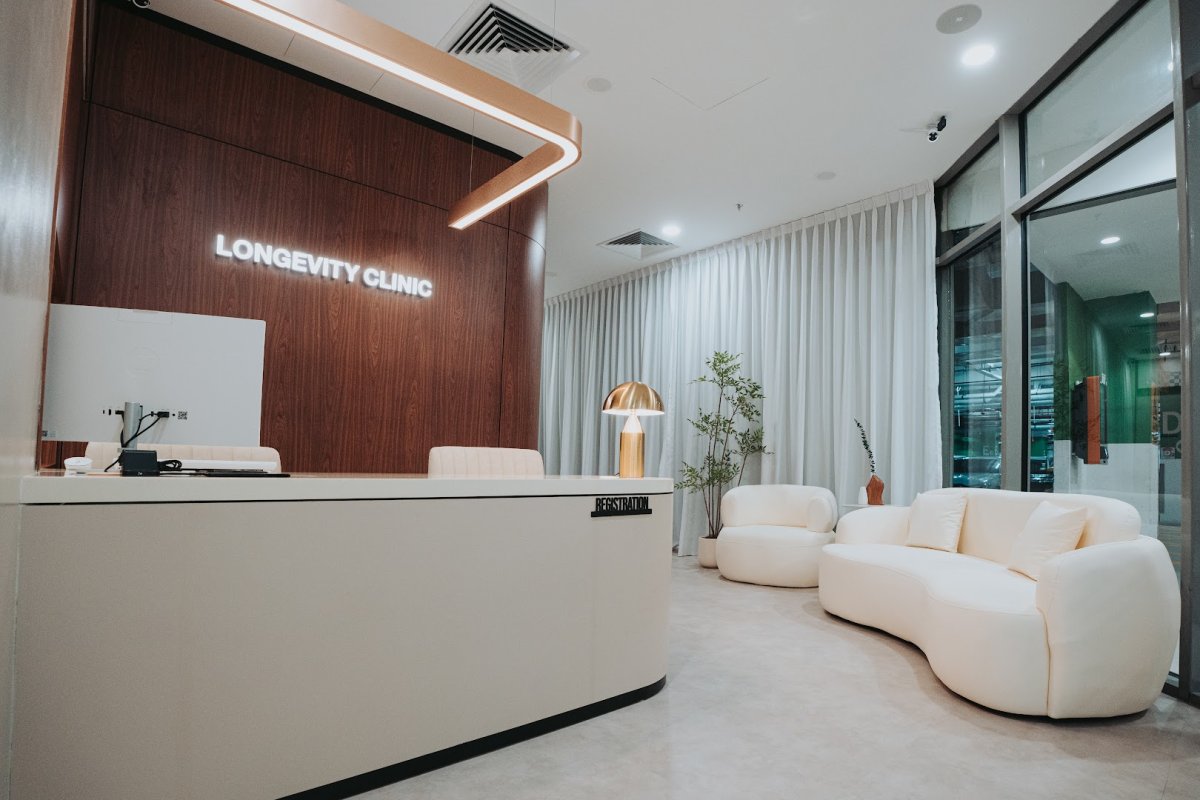
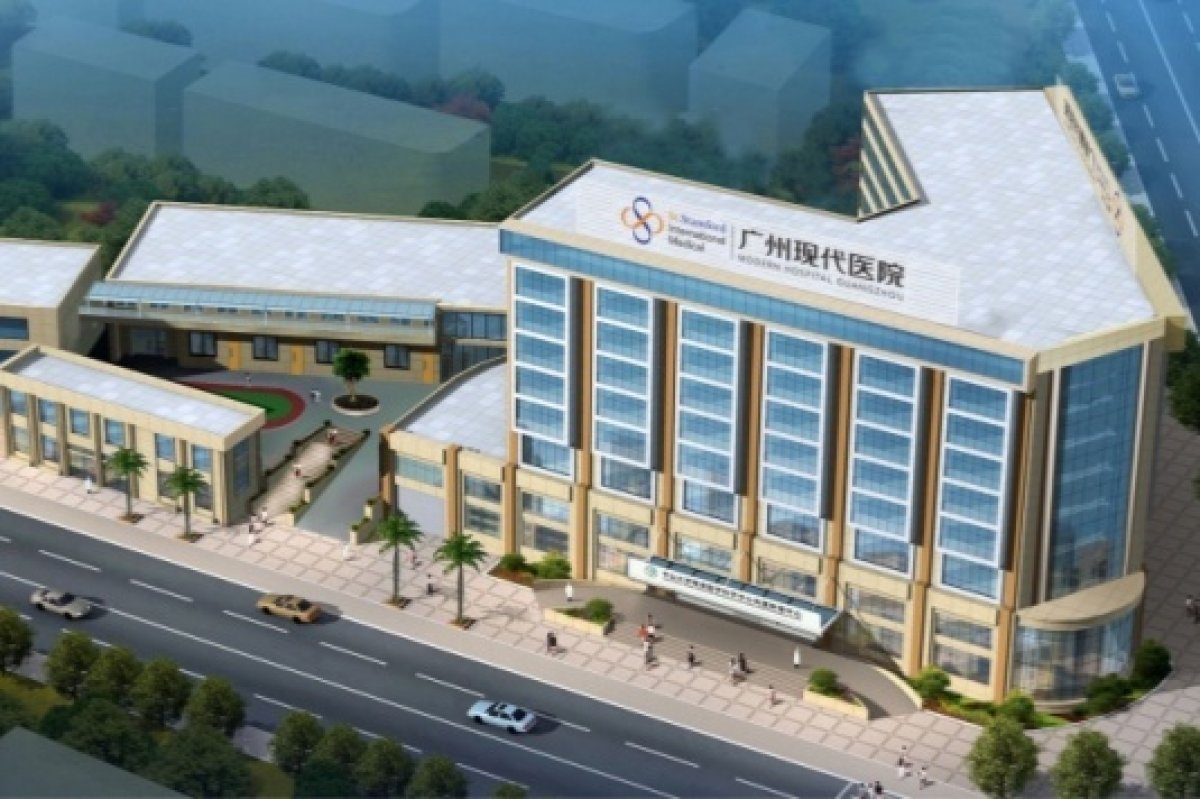
Vita Medical Wellness


نظرة عامة على العلاج بالخلايا الجذعية في ماليزيا
- العلاج بالخلايا الجذعية - من $5,600
هذا العلاج هو علاج باستخدام خلايا الجسم لإصلاح الأنسجة التالفة. إنه فعال وآمن ومتعدد الاستخدامات.
- العلاج بالخلايا الجذعية لالتهاب المفاصل - من $5,200
يستخدم هذا العلاج خلايا الشخص لإصلاح المفاصل التالفة ، وتقليل الألم والالتهابات المصاحبة لالتهاب المفاصل.
- علاج التوحد بالخلايا الجذعية - من $9,500
يستخدم هذا العلاج خلايا الجسم لإصلاح تلف الدماغ المرتبط بالتوحد ، مما يوفر سلوكًا اجتماعيًا محسنًا.
- علاج الشلل الدماغي بالخلايا الجذعية - من $14,500
يستخدم هذا العلاج الخلايا المتجددة لعلاج تلف الدماغ وتحسين الوظائف الحركية لدى الأشخاص المصابين بالشلل الدماغي.
- علاج مرض باركنسون بالخلايا الجذعية - من $12,500
يستخدم هذا العلاج الخلايا التي يحافظ عليها الجسم لإبطاء تقدم مرض باركنسون ، وتعزيز وظائف المخ وقدرته على الحركة.
- علاج مرض السكري بالخلايا الجذعية - من $14,000
يستخدم هذا العلاج الخلايا الجذعية لإصلاح خلايا البنكرياس التالفة ، والسيطرة على أعراض مرض السكري.
- العلاج بالخلايا الجذعية للركبتين - من $3,600
يعتمد هذا العلاج على إمكانات الشفاء الذاتي ، عن طريق حقن الخلايا المحصودة في مفاصل الركبة لإصلاح الغضروف التالف.
- برنامج علاج بالخلايا الجذعية الخاصة - من $6,200
يستخدم هذا العلاج الخلايا الجذعية لإصلاح الخلايا والأنسجة التالفة وتحسين صحتك.
اليوم 1
- الوصول إلى البلاد والانتقال إلى الفندق.
- استرح وتأقلم مع المنطقة الزمنية الجديدة.
اليوم الثاني
- نقل من فندق إلى عيادة.
- استشر أخصائيًا بخصوص العلاج.
- اخضعي لفحص الغدة الدرقية بالموجات فوق الصوتية.
يوم 3
- التحضير للعلاج بالخلايا الجذعية.
- الخضوع للفحوصات الطبية اللازمة.
اليوم الرابع
- ابدأ العلاج بالخلايا الجذعية.
- عادة ما يستمر العلاج عدة ساعات.
- يستخدم التخدير العام.
يوم 5
- تجهيز ما بعد العملية في العيادة.
- ابق في غرفة فردية للشفاء.
الأسبوع 1-2
- ابدأ إعادة التأهيل إذا لزم الأمر.
- العودة التدريجية إلى الأنشطة اليومية.
الأسبوع 3-4
- مواصلة إعادة التأهيل.
- إمكانية العودة إلى العمل ، اعتمادًا على التعافي.
الأسبوع 5-6
- التقييم النهائي لنتائج العلاج.
- العودة إلى الرياضة والأنشطة الثقيلة الأخرى.
يرجى ملاحظة أن وقت الشفاء لكل مريض قد يختلف بناءً على الظروف الفردية والحالة الصحية العامة.
- إيداع Bookimed: 200 دولار أو 200 يورو.
- وديعة العيادة: ادفع نسبة محددة مقدمًا.
احصل على تقييم طبي لـ العلاج بالخلايا الجذعية في ماليزيا: اختر أخصائيك من بين الأفضل في هذا المجال
عرض جميع الأطباء
Chin Sze Piaw
يرأس البروفيسور تشين زي بياو السجل الوطني للخلايا الجذعية - وهو دور رئيسي في مشهد العلاج بالخلايا الجذعية في ماليزيا.
- كطبيب قلب تداخلي
- زميل الجمعية الوطنية الماليزية للقلب
- عضو المجلس الطبي الماليزي
- دكتور في الطب من جامعة مالايا
قصص فيديو من مرضى Bookimed
مواد ذات صلة
عرض المزيد من التفاصيل
أين يمكن الحصول على العلاج بالخلايا الجذعية: أفضل 10 دول
كتب بواسطة Mariia Mytrofankina

كيف ساعد العلاج بالخلايا الجذعية للمفاصل أندريا على نسيان الألم: قصة نجاح
كتب بواسطة Kateryna Zamkovska

هل العلاج بالخلايا الجذعية آمن؟
كتب بواسطة Mariia Mytrofankina

علاج الشعر بالخلايا الجذعية: التكلفة والفوائد والعلم الكامن وراء هذه التقنية الثورية
كتب بواسطة Mariia Mytrofankina

أين يمكنني الحصول على علاج بالخلايا الجذعية لإصابات الحبل الشوكي؟
كتب بواسطة Mariia Mytrofankina
مشاركة المحتوى
 Anna Leonova
أسئلة متكررة حول العلاج بالخلايا الجذعية في ماليزيا
هل العلاج بالخلايا الجذعية قانوني وآمن في ماليزيا؟
العلاج بالخلايا الجذعية قانوني في ماليزيا تحت إشراف صارم من الوكالة الوطنية للتنظيم الصيدلاني (NPRA). في حين أن عمليات زرع المكونات المكونة للدم لاضطرابات الدم تعتبر قياسية، تظل العلاجات الوسيطة للشيخوخة أو المفاصل تجريبية. السلامة عالية في المستشفيات المرخصة من قبل وزارة الصحة التي تستخدم مختبرات معتمدة لممارسات التصنيع الجيدة.
- الإطار القانوني: تقيد إرشادات وزارة الصحة (MOH) الاستخدام الروتيني بحالات أمراض الدم المحددة.
- الحالة التجريبية: تتطلب العلاجات التجميلية والتجديدية موافقة على التجارب السريرية أو تسجيل المنتج لدى NPRA.
- المصادر المحظورة: الخلايا الجنينية والمشتقة من الحيوانات غير قانونية تماماً للاستخدام العلاجي في ماليزيا.
- السلامة السريرية: تبلغ المراكز المعتمدة مثل Klinik De Palma عن معدل نجاح بنسبة 99% للتجديد.
رؤية خبير Bookimed: تحدد مؤهلات الخبراء السلامة هنا أكثر من معظم المناطق. يشغل البروفيسور الدكتور تشين زي بياو، الذي يمارس عمله في مركز بيفرلي ويلشاير الطبي، منصب رئيس السجل الوطني للخلايا الجذعية. يجب على المرضى البحث عن أطباء يتمتعون بهذا المستوى من المشاركة التنظيمية الوطنية لضمان أن بروتوكول علاجهم المحدد يلبي المعايير الأخلاقية والقانونية الماليزية.
إجماع المرضى: يجد العديد من المرضى أن مصطلح الخلايا الجذعية يُستخدم بشكل فضفاض لأغراض التسويق. تحقق مما إذا كانت العيادة تستخدم خلاياك الخاصة أو خلايا متبرع وتجنب أي منشأة تقدم ادعاءات علاجية لحالات غير ذات صلة.
ما هي المخاطر الصحية الرئيسية للعلاج بالخلايا الجذعية؟
تشمل المخاطر الصحية الرئيسية الالتهابات الفيروسية أو البكتيرية الشديدة، وتكون الأورام، ورفض الجهاز المناعي، والتمايز الخلوي غير المناسب. قد يواجه المرضى أيضًا مضاعفات وعائية مثل جلطات الدم أو الانصمام الرئوي. تساعد معايير السلامة العالية في عيادات ماليزيا على تخفيف هذه المخاطر من خلال معالجة الخلايا الخاضعة للرقابة وبروتوكولات الخلايا الوسيطة.
- خطر العدوى: يمكن أن تؤدي معالجة الخلايا التي لا تتم مراقبتها بشكل صحيح إلى إدخال بكتيريا أو فيروسات أو مسببات أمراض فطرية ضارة.
- تكون الأورام: قد تنمو الخلايا التي تتكاثر بسرعة بشكل لا يمكن السيطرة عليه أو تشكل أورامًا حميدة تسمى الأورام المسخية.
- الرفض المناعي: قد تؤدي خلايا المتبرع إلى هجوم مناعي، مما قد يؤدي إلى مرض الطعم ضد المضيف.
- هجرة الخلايا: يمكن أن تنتقل الخلايا المحقونة إلى أجزاء غير مقصودة من الجسم، مما يسبب نموًا غير مناسب للأنسجة.
- السلامة الوعائية: يمكن أن تؤدي التركيزات العالية للخلايا في الحقن الوريدي إلى جلطات دموية خطيرة أو انسدادات.
رؤية خبير Bookimed: تصل معدلات نجاح علاج تجديد الخلايا الجذعية في ماليزيا إلى 99% في مراكز متخصصة مثل عيادة Klinik De Palma. غالبًا ما ينبع هذا الأداء العالي من استخدام الخلايا الجذعية الوسيطة بدلاً من الخلايا الجنينية. يضمن اختيار العيادات ذات الأقسام المركزة، مثل Vita Medical Wellness، بروتوكولات سلامة أعلى لعلاجات الأمراض التنكسية العصبية.
إجماع المرضى: يشعر العديد من المرضى بالقلق الأكبر بشأن التلوث
من أين تأتي الخلايا الجذعية المستخدمة في العيادات الماليزية؟
تستخدم العيادات الماليزية خلايا جذعية مشتقة من أنسجة بشرية بالغة أو مصادر محيطة بالولادة، بما في ذلك نخاع العظم والدهون وأنسجة الحبل السري. تخضع هذه العلاجات لتنظيم وزارة الصحة، وتحظر تماماً الخلايا المشتقة من الحيوانات أو الخلايا الجنينية، مما يضمن الامتثال الأخلاقي وسلامة المرضى من خلال رقابة صارمة من الوكالة الوطنية للتنظيم الصيدلاني.
- المصادر الذاتية: يقوم الأطباء بحصاد الخلايا من نخاع العظم أو الأنسجة الدهنية أو دم المريض نفسه.
- المصادر المحيطة بالولادة: تستخدم العيادات بشكل متكرر هلام وارتون من الحبال السرية أو دم الحبل السري من المتبرعين.
- الخلايا اللحمية (الميزنشيمية): تقوم المختبرات بعزل هذه الخلايا متعددة الاستخدامات للعلاجات الجهازية والحالات التنكسية العصبية في ماليزيا.
- المصادر المحظورة: يُحظر تماماً استخدام الخلايا الجذعية المشتقة من الحيوانات (الأغنام، الغزلان) أو الخلايا الجذعية الجنينية البشرية.
رؤية خبير Bookimed: تؤكد معدلات النجاح للعلاجات الخلوية المحددة في ماليزيا التي تصل إلى 99% على أهمية الخبرة السريرية. يوفر البروفيسور تشين زي بياو، الذي يشغل منصب رئيس السجل الوطني للخلايا الجذعية، مستوى من الثقة التنظيمية نادراً ما يوجد في المراكز الطبية الأخرى.
إجماع المرضى: يؤكد المرضى على الحاجة إلى الشفافية، وينصحون الآخرين بطلب وثائق رسمية تتعلق بأصل الخلية ومعلومات الدفعة. وغالباً ما يحذرون من أن بعض العلاجات المعلن عنها قد تكون في الواقع إكسوسومات أو بلازما غنية بالصفائح الدموية (PRP) بدلاً من خلايا جذعية حي
هل يمكن للعلاج بالخلايا الجذعية علاج الفصال العظمي المتقدم أو تلف المفاصل؟
لا يمكن للعلاج بالخلايا الجذعية علاج الفصال العظمي المتقدم أو تلف المفاصل الناتج عن احتكاك العظام. لا يوجد علاج طبي حالي يعيد بناء الغضروف المفقود تماماً بشكل موثوق أو يعكس التنكس الشديد. يعمل العلاج بشكل أساسي كأداة قوية مضادة للالتهابات لتقليل الألم المزمن وتحسين الحركة لمدة تتراوح بين 6 إلى 12 شهراً.
- القيود الوظيفية: تفتقر حالات الفصال العظمي الشديدة من الدرجة الرابعة إلى السقالة النسيجية اللازمة لالتصاق غضروف جديد.
- الآلية الأساسية: تعمل الخلايا عبر إشارات باراكرين لتقليل الالتهاب بدلاً من إعادة نمو الأنسجة.
- الأدلة السريرية: تظهر الدراسات أن حقن الخلايا الجذعية غالباً ما توفر تخفيفاً للألم مشابهاً لحقن الكورتيكوستيرويد.
- الحل النهائي: يظل استبدال المفاصل الروبوتي هو المعيار الذهبي لاستعادة الوظيفة في الحالات المتقدمة.
رؤية خبير Bookimed: تقدم ماليزيا خبرة عالية المستوى مع قادة مثل البروفيسور تشين زي بياو، الذي يرأس السجل الوطني للخلايا الجذعية. بينما تبلغ عيادات مثل Klinik De Palma عن رضا عالٍ فيما يتعلق بالتجديد، يجب على المرضى التركيز على إدارة الأعراض. اختيار منشأة تجمع بين العلاجات الوسيطة (الميزنشيمية) وأمراض القلب المتخصصة أو مراقبة العافية غالباً ما يوفر نتائج جهازية أفضل من التركيز فقط على إعادة نمو المفاصل.
إجماع المرضى: يبلغ المرضى الذين يعانون من تلف متقدم أنه على الرغم من انخفاض الألم غالباً، إلا أن التغيرات الهيكلية نادراً ما تظهر في فحوصات الرنين المغناطيسي للمتابعة. يتفق معظمهم على أن النتائج متغ
كيف أتحقق من أن العيادة مرخصة بشكل صحيح لإعطاء الخلايا الجذعية؟
للتحقق من أن العيادة مرخصة لعلاج الخلايا الجذعية في ماليزيا، تحقق من الطبيب الممارس في قاعدة بيانات المجلس الطبي الماليزي (MMC). يجب أن تحمل المراكز الشرعية تراخيص صالحة من وزارة الصحة (MOH) وتلتزم بالمعايير الوطنية لزراعة الخلايا الجذعية.
- أوراق اعتماد الطبيب: تحقق من التراخيص عبر المجلس الطبي الماليزي والسجل الوطني للمتخصصين.
- ترخيص المنشأة: تأكد من أن العيادة لديها موافقة وزارة الصحة (MOH) لمنشآت الرعاية الصحية الخاصة.
- مصدر الخلايا: اطلب وثائق مكتوبة تؤكد أصل ومعايير معالجة المواد البيولوجية.
- شهادات محددة: ابحث عن الأطباء الحاصلين على خطاب الاعتماد والامتيازات (LCP).
رؤية خبير Bookimed: تحتفظ ماليزيا بواحد من أكثر أنظمة الرقابة تنظيمًا في العالم من خلال السجل الوطني للخلايا الجذعية. عند اختيار أخصائي، ابحث عن قادة مثل البروفيسور تشين زي بياو في مركز بيفرلي ويلشاير الطبي. دوره كرئيس لهذا السجل يضمن أعلى مستوى من الامتثال التنظيمي والسلامة الإجرائية في البلاد.
إجماع المرضى: يوصي المرضى بالتحقق من المنشأة من خلال قواعد البيانات الرسمية لوزارة الصحة الماليزية بدلاً من الاعتماد على كتيبات التسويق. ويؤكدون أن العيادات ذات السمعة الطيبة تشرح المخاطر بوضوح وتقدم إثباتًا مكتوبًا لموافقة الهيئات التنظيمية دون تردد.
كم تستغرق جلسة العلاج بالخلايا الجذعية النموذجية؟
تستغرق جلسة العلاج بالخلايا الجذعية النموذجية في ماليزيا من 30 دقيقة إلى 4 ساعات. تعتمد المدة بشكل أساسي على طريقة التوصيل وما إذا كان يتم حصاد الخلايا خلال نفس الزيارة. حقن المفاصل الموضعية هي الأسرع، بينما تتطلب الحقن الوريدي الجهازي مزيدًا من الوقت للتوصيل والمراقبة.
- مدة الحقن: تستغرق حقن المفاصل عادةً من 10 إلى 20 دقيقة للتوصيل الفعلي.
- وقت التسريب: يتطلب التوصيل الوريدي عادةً من 30 إلى 90 دقيقة من وقت التنقيط النشط.
- عامل الحصاد: إضافة استخراج نخاع العظم أو الدهون في نفس اليوم تستغرق من 2 إلى 3 ساعات للمعالجة.
- إجمالي البقاء في العيادة: غالبًا ما تؤدي التحضيرات والمراقبة بعد الإجراء إلى تمديد إجمالي الزيارات إلى 4 ساعات.
رؤية خبير Bookimed: غالبًا ما ترتبط إشارات الجودة في ماليزيا بالقيادة المؤسسية. تضم عيادات مثل مركز بيفرلي ويلشاير الطبي خبراء مثل البروفيسور تشين زي بياو، الذي يرأس السجل الوطني للخلايا الجذعية. يشير هذا الإشراف السريري إلى بروتوكولات أكثر توحيدًا مما قد يؤدي إلى نوافذ مواعيد أكثر قابلية للتنبؤ.
إجماع المرضى: أفاد المرضى أنه على الرغم من أن توصيل الخلايا سريع، إلا أن الإعداد والتحضير الطبي يستغرقان معظم الوقت. يسلط أولئك الذين يتلقون علاجات المفاصل الضوء على أن التوجيه بالموجات فوق الصوتية والتخدير هما المكونان الرئيسيان لأقصر مواعيدهم.
متى سأبدأ في رؤية النتائج بعد الحقن؟
يبدأ المرضى عادةً في رؤية النتائج في غضون 6 إلى 12 أسبوعًا بعد العلاج بالخلايا الجذعية في ماليزيا. في حين أن التحسينات الوظيفية الطفيفة قد تظهر بعد أسبوع واحد، فإن التغييرات الملحوظة في الحركة وتخفيف الألم تصل عادةً إلى ذروتها في غضون 3 إلى 6 أشهر مع تجدد الأنسجة.
- المرحلة المبكرة: قد تحدث تغييرات طفيفة أولية أو نوبات مؤقتة خلال الأسابيع من 1 إلى 6.
- الذروة الوظيفية: تظهر تحسينات كبيرة في الحركة والأنشطة اليومية عادةً بين الشهرين الثاني والثالث.
- الإصلاح طويل الأمد: غالبًا ما يستمر تجدد الأنسجة للمفاصل والأوتار والغضاريف لمدة تصل إلى 6 أشهر.
- مؤشرات النجاح: غالبًا ما تسبق جودة النوم الأفضل والتعافي الأسرع بعد النشاط انخفاضًا ملحوظًا في الألم.
رؤية خبير Bookimed: تُظهر البيانات الواردة من كبار مقدمي الخدمات في ماليزيا مثل Klinik De Palma وVita Medical Wellness أن النجاح يعتمد على الخبرة العالية. تبلغ هذه العيادات عن معدلات نجاح تصل إلى 99% إلى 100% لعلاجات التجديد والعلاجات الوسيطة المحددة. يجب على المرضى إعطاء الأولوية لأطباء مثل الدكتور أنديس لاي، الذي أجرى أكثر من 30,000 إجراء، لضمان دقة التنفيذ والجداول الزمنية المثلى.
إجماع المرضى: تشير التعليقات الواقعية إلى تتبع المكاسب الوظيفية، مثل صعود السلالم أو المشي لمسافات أطول، بدلاً من مجرد مستويات الألم. يجد معظم المرضى أن الراحة الصارمة بعد الإجراء متبوعة بالعلاج الطبيعي الموجه ضرورية لرؤية هذه النتائج التدريجية.