التوتة العلاج في الهند - التكاليف 2026


تمت مراجعة المقالة طبيا من قبل
فهد مولود
ما هي تكلفة التوتة إجراءات التشخيص والعلاج في الهند؟ اعرف الآن
مزاياك وضماناتك مع Bookimed
أسعار مباشرة
Bookimed لا يضيف رسوماً إضافية على أسعار علاج التوتة. الأسعار مأخوذة من قوائم الأسعار الرسمية للعيادات. تدفع مباشرة في العيادة مقابل علاجك عند وصولك إلى البلد.
عيادات وأطباء معتمدون فقط
Bookimed ملتزم بسلامتك. نحن نعمل فقط مع المؤسسات الطبية التي تحافظ على معايير دولية عالية في علاج التوتة ولديها التراخيص اللازمة لخدمة المرضى الدوليين في جميع أنحاء العالم.
مساعدة مجانية على مدار الساعة
Bookimed يقدم مساعدة خبراء مجانية. منسق طبي شخصي يدعمك قبل وأثناء وبعد العلاج، ويحل أي مشاكل. لن تكون وحيداً أبداً في رحلة علاج التوتة.

منسقك الطبي الشخصي في Bookimed
- يدعمك في كل مرحلة
- المساعدة في اختيار العيادة الطبية المناسبة والطبيب المناسب
- يضمن الوصول السريع والمريح إلى المعلومات
اكتشف أفضل التوتة العيادات في الهند: 12 خيارات معتمدة والأسعار








Dr. Rela Institute & Medical Centre

HCG Manavata Cancer Centre
Raj Nagarkar




Medanta Hospital Gurgaon - The Medicity
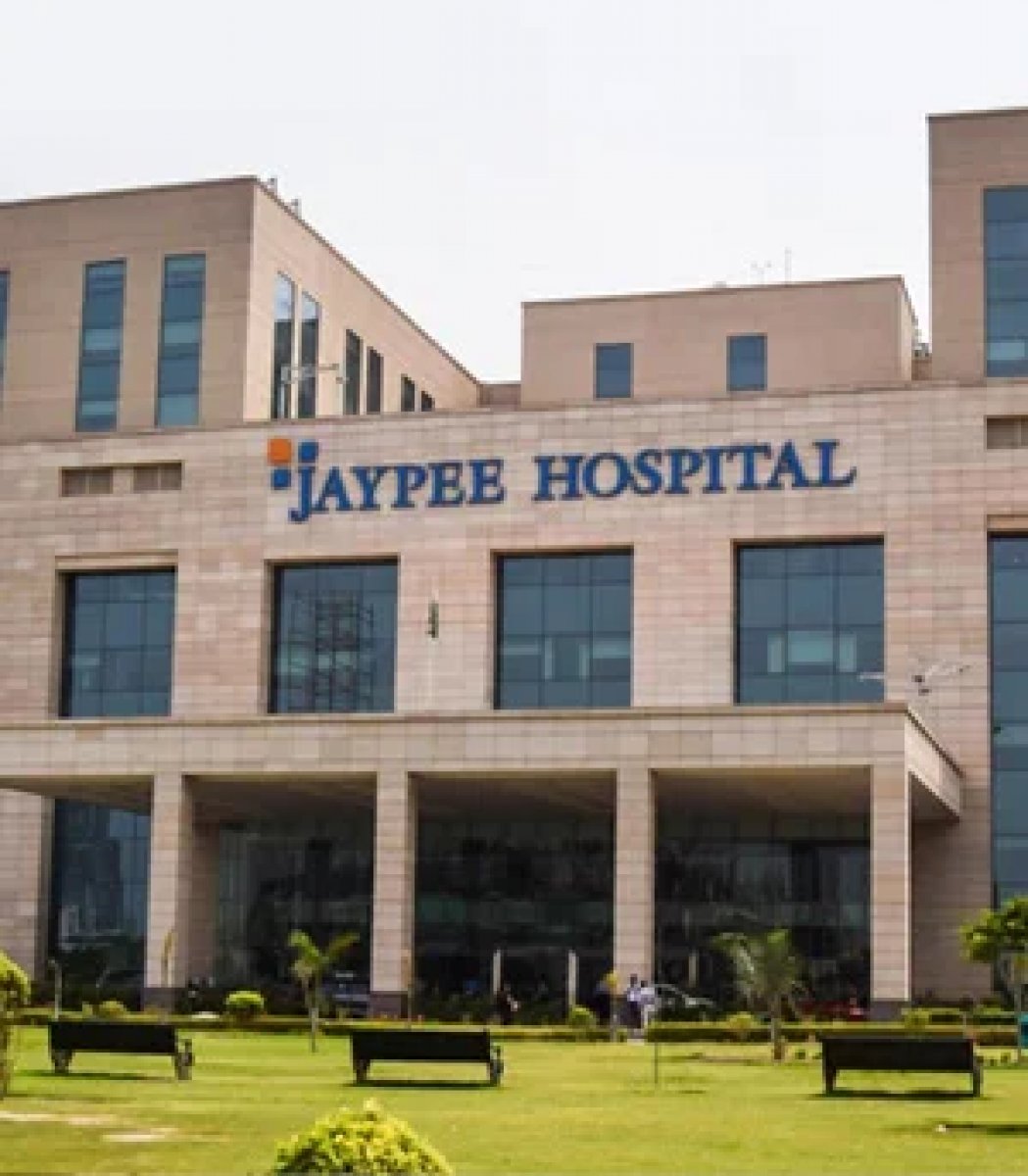
Jaypee Hospital
احصلوا على تقييم طبي لـ التوتة في الهند: استشيروا أطباء ذوي خبرة الآن
عرض جميع الأطباءRaj Nagarkar
أكثر من 50,000 جراحة سرطان على مدى _doctor_2241_عاماً – يركز الدكتور ناجاركار على تحسين جودة الحياة من خلال جراحة الأورام الدقيقة.
- تدرب في مستشفى تاتا التذكاري والكلية الملكية للجراحين في إدنبرة
- متخصص في جراحة أورام الثدي والصدر
- شارك في أكثر من 200 تجربة سريرية (المراحل 1-3)
- أستاذ في تخصص جراحة الأورام وجراحة الثدي (DNB)

Shruti Kate
تتخصص الدكتورة شروتي كيت في علاجات السرطان المتقدمة، بما في ذلك العلاج المناعي والعلاج المترونومي للورم الزعترية (الثيموما). تدربت في مستشفى تاتا التذكاري، وهو مركز رائد في علم الأورام.
- خبيرة في سرطانات الرئة والثدي والجهاز البولي التناسلي
- عضو في الجمعية الأمريكية لعلم الأورام السريري (ASCO) والجمعية الأوروبية لعلم الأورام الطبي (ESMO) وجمعيات أورام رائدة أخرى
- قدمت أبحاثاً في المؤتمر العالمي لسرطان الرئة
- تركز على العلاجات المبتكرة مثل العلاج المناعي

Ravindra Tandale
الدكتور رافيندرا تاندالي هو استشاري في مركز HCG مانافاتا للسرطان في ناشيك. وهو متخصص في التخدير لجراحات الأورام، بما في ذلك جراحات سرطان الثدي والرئة والكبد. يحمل الدكتور تاندالي مؤهلات بكالوريوس الطب والجراحة (MBBS) ودبلوم التخدير (DA).
يعمل الدكتور تاندالي في مركز HCG مانافاتا، وهو منشأة تعالج 75,000 مريض سنوياً وحاصلة على اعتمادات NABL وNABH. يتولى الدكتور تاندالي إدارة التخدير لمختلف العمليات الجراحية، بما في ذلك الإجراءات المتعلقة بحالات السرطان المتقدمة. كما يقدم استشارات عبر الإن

Chaitainya Borde
أجرى الدكتور بورد أكثر من 30,000 فحص PET وعالج أكثر من 1,000 مريض بسرطان الغدة الدرقية في مركز HCG Manavata للسرطان.
- _doctor_2774_سنوات_ من الخبرة في الطب النووي
- متخصص في علاجات اليود المشع و Lu-177
- خبير في فحوصات PET-CT وطب القلب النووي
- باحث منشور في المجلات الطبية
مشاركة المحتوى
قصص فيديو من مرضى Bookimed
 Anna Leonova
أسئلة متكررة حول علاج التوتة في الهند
ما هو بروتوكول العلاج القياسي للورم الزعترِي (الثيموما) في الهند؟
يتبع علاج الورم الزعترِي في الهند البروتوكولات الدولية التي تركز على نظام تصنيف ماساوكا-كوغا. تشمل الرعاية الأولية الاستئصال الجراحي، والعلاج الإشعاعي، والعلاج الكيميائي القائم على البلاتين. يستخدم المتخصصون في المراكز المعتمدة من NABH نهج مجلس الأورام لتخصيص العلاجات بناءً على مدى غزو الورم وصحة المريض.
- النهج الجراحي: استئصال الغدة الزعترية الكامل هو العلاج الأول لجميع الأورام القابلة للجراحة.
- جراحة طفيفة التوغل: تستخدم العيادات أنظمة Da Vinci الروبوتية لإزالة الأورام في مراحلها المبكرة.
- العلاج المساعد: الإشعاع بعد الجراحة هو المعيار للمراحل المتقدمة أو الحواف الجراحية الإيجابية.
- الحالات المتقدمة: تتلقى الأورام غير القابلة للاستئصال علاجاً كيميائياً تحريضياً لمحاولة تقليص حجمها قبل الجراحة.
رؤية خبير Bookimed: توفر المراكز ذات الحجم الكبير مثل مستشفى ميدانتا ومركز HCG Manavata للسرطان خبرة متخصصة في الصدر. على سبيل المثال، أجرى الدكتور راج ناجاركار أكثر من 50,000 إجراء أورام. هذا الحجم الجراحي الهائل حيوي للورم الزعترِي، حيث أن تحقيق حواف واضحة (استئصال R0) هو العامل الأكثر أهمية للبقاء على قيد الحياة على المدى الطويل.
إجماع المرضى: يؤكد المرضى على أهمية العثور على مراكز صدرية ذات حجم كبير بدلاً من المستشفيات العامة. ويشيرون إلى أنه من المهم التأكد مما إذا كان الورم قابلاً للاستئصال بالكامل أثناء الاستشارات الأولية.
ما هي المخاطر الجراحية التي يجب أن أفهمها قبل الخضوع لجراحة الورم الزعترِي (الثيموما) في الهند؟
تشمل مخاطر جراحة الورم الزعترِي في الهند إصابة العصب الحجابي، ونوبة الوهن العضلي، ونزيف الأوعية الدموية الكبيرة. تقع الغدة الزعترية بالقرب من القلب والرئتين، مما يتطلب تشريحاً دقيقاً. تستخدم المراكز الهندية أنظمة روبوتية مثل "دا فينشي" وتصوير PET-CT لإدارة هذه الإجراءات الصدرية المعقدة وتحسين السلامة.
- المخاطر العصبية: قد يؤدي تلف الأعصاب إلى شلل الحجاب الحاجز أو بحة في الحبال الصوتية.
- مضاعفات الجهاز التنفسي: قد يتطلب انهيار الرئة أو تسرب السوائل أنابيب صدرية مؤقتة.
- نوبة الوهن العضلي: يواجه المرضى المصابون بالوهن العضلي الوبيل مخاطر أعلى للإصابة بفشل تنفسي بعد الجراحة.
- التحويل الجراحي: قد يتم تحويل الحالات ذات التدخل الجراحي البسيط إلى جراحة مفتوحة في حالة حدوث نزيف.
رؤية خبير Bookimed: إحدى علامات الجودة الرئيسية في طب الأورام الهندي هي حجم الحالات الصدرية المتخصصة. على سبيل المثال، أجرى الدكتور راج ناجاركار في مركز HCG Manavata للسرطان أكثر من 50,000 عملية جراحية. هذه الخبرة الكبيرة ضرورية لأن أورام الغدة الزعترية غالباً ما تلتصق بالأوعية الدموية الكبيرة مثل الوريد الأجوف العلوي. الجراحون ذوو الخبرة العالية أكثر استعداداً للتعامل مع النزيف المفاجئ أثناء الجراحة دون مضاعفات.
إجماع المرضى: يؤكد المرضى أن الاستئصال الكامل للورم أهم من المسمى الجراحي المحدد. غالباً ما يشير المصابون بالوهن العضلي الوبيل إلى أن إدارة ضعف التنفس والتخدير تشكل مصدر قلق أكبر من الجراحة نفسها.
هل من الضروري إجراء خزعة قبل جراحة الورم التوتوي (الثيموما)، أم يمكنني إجراء العملية على الفور؟
غالبًا ما تكون الخزعة غير ضرورية إذا أظهرت التصوير الطبي وجود ورم توتوي موضعي وقابل للاستئصال. عادةً ما ينتقل الجراحون في مراكز الأورام الهندية الكبرى مباشرة إلى الجراحة. هذا يتجنب خطر انتشار الخلايا الورمية ويوفر تشخيصًا نهائيًا. تظل الجراحة المباشرة هي المعيار لما يقرب من 80% من الحالات المشتبه بها.
- التفضيل الجراحي: غالبًا ما يفضل الجراحون الاستئصال المباشر لمنع انتشار خلايا الورم الهشة.
- التصوير التشخيصي: يوفر التصوير المقطعي بالإصدار البوزيتروني (PET-CT) والرنين المغناطيسي ثقة عالية لتشخيص كتل المنصف المحددة جيدًا.
- التشخيصات البديلة: الخزعة مطلوبة إذا اشتبه الأطباء في وجود ورم ليمفاوي أو أورام الخلايا الجرثومية.
- الحالات المتقدمة: قد تتطلب الأورام الغازية خزعة للتخطيط للعلاج الكيميائي لتقليص حجم الورم قبل الجراحة.
رؤية خبير Bookimed: تستخدم المراكز الهندية المتخصصة مثل Medanta أو Fortis Gurgaon بشكل متكرر مجالس أورام متعددة الوظائف لهذه القرارات. تظهر البيانات أن الجراحين ذوي الخبرة العالية، مثل الدكتور راج ناجاركار الذي أجرى أكثر من 50,000 جراحة، يعطون الأولوية للتصوير قبل الجراحة مثل PET-CT على الخزعة. هذا النهج فعال بشكل خاص عندما تستخدم العيادات أدوات متقدمة مثل نظام Da Vinci الروبوتي للاستئصال الدقيق وبأقل تدخل جراحي.
إجماع المرضى: يشير المرضى إلى أنه من الشائع أن يوصي المتخصصون بتخطي الخزعة إذا كانت الكتلة تبدو قابلة للجراحة. ويؤكدون أنه على الرغم من تجنب الخزعة لمنع انتشار الخلايا، فإن الاختبارات الشاملة
ما هي المستشفيات في الهند الأكثر شهرة في الإدارة المتخصصة للورم الزعترِي (Thymoma)؟
تشمل أفضل المستشفيات في الهند لإدارة الورم الزعترِي مستشفى تاتا التذكاري (Tata Memorial Hospital)، وميدانتا ذا ميديسيتي (Medanta The Medicity)، ومركز إتش سي جي مانافاتا للسرطان (HCG Manavata Cancer Centre). تقدم هذه المراكز جراحة أورام الصدر المتخصصة. وهي تستخدم مجالس أورام متعددة التخصصات. وتعد التقنيات المتقدمة مثل استئصال الغدة الزعترية الروبوتي وجراحة الصدر بمساعدة الفيديو (VATS) معياراً في هذه المؤسسات.
- نوع الجراحة: تقلل الإجراءات الروبوتية طفيفة التوغل وجراحة VATS من الألم ووقت التعافي.
- وحدات متخصصة: يتميز مستشفى تاتا التذكاري بوحدة مخصصة لخدمات جراحة الصدر.
- جراحون خبراء: أجرى الدكتور راج ناجاركار أكثر من 50,000 إجراء في جراحة الأورام.
- الوصول إلى طب الأعصاب: توفر المراكز الرائدة دعماً عصبياً فورياً للحالات المرتبطة مثل الوهن العضلي الوبيل (Myasthenia Gravis).
رؤية خبير Bookimed: تسلط البيانات الضوء على مركز خبرة إقليمي في ناشيك. يخدم مركز HCG Manavata 75,000 مريض سنوياً مع أكثر من 40 طبيب أورام. يجلب المتخصصون هنا مثل الدكتور راج ناجاركار والدكتورة شروتي كيت خبرة مباشرة من مستشفى تاتا التذكاري. وهذا يسمح للمرضى بالوصول إلى بروتوكولات أورام من الدرجة الأولى في منشأة ذات سعة عالية ومعايير حديثة.
إجماع المرضى: يؤكد المرضى على أهمية العثور على جراح ذي خبرة خاصة في أورام الصدر النادرة بدلاً من الأورام العامة. ويشيرون إلى أن مراكز الرعاية الثالثية ذات الحجم الكبير توفر تنسيقاً أفضل لمراجعات مجالس الأورام متعددة ا
ما هي توقعات البقاء على قيد الحياة على المدى الطويل بعد علاج الورم التوتسي (الثيموما) في الهند؟
معدلات البقاء على قيد الحياة على المدى الطويل بعد علاج الورم التوتسي في الهند مرتفعة. تتراوح معدلات البقاء على قيد الحياة لمدة 5 سنوات بين 76% و90% في جميع المراحل. الحالات التي يتم اكتشافها في مرحلة مبكرة قبل الانتشار تظهر معدل بقاء بنسبة 95%. يدعم العلاج متعدد الوسائط المتقدم، بما في ذلك الجراحة والإشعاع، نتائج إيجابية للأورام الغازية.
- البقاء على قيد الحياة حسب المرحلة: تحافظ حالات المرحلة الأولى عادةً على معدل بقاء لمدة 5 سنوات بنسبة 95%.
- أهمية الجراحة: الاستئصال الكامل للورم هو العامل الأساسي لتحقيق الشفاء الدائم.
- الوهن العضلي الوبيل: تتحسن الأعراض لدى ما يصل إلى 65.5% من المرضى بعد استئصال الغدة التوتسية.
- بروتوكول المتابعة: يتم إجراء فحوصات الأشعة المقطعية السنوية لمدة 10 إلى 15 عامًا لمراقبة أي تكرار متأخر.
رؤية خبير Bookimed: يجب على المرضى إعطاء الأولوية للمراكز التي تستخدم مجالس الأورام متعددة التخصصات، مثل مستشفى ميدانتا جورجاون. تظهر بياناتنا أن هذه اللجان حيوية لعلاج الورم التوتسي. فهي تنسق بين جراحي الصدر مثل الدكتور راج ناجاركار وأخصائيي الطب النووي لتحديد مرحلة الورم بدقة باستخدام PET-CT. يضمن هذا النهج التعاوني أن الأورام المعقدة التي تشمل الأنسجة المحيطة تتلقى الاستئصال الأكثر عدوانية ودقة ممكنة.
إجماع المرضى: يشير المرضى إلى أن الضغط العاطفي الناتج عن المراقبة طويلة المدى بالأشعة المقطعية غالبًا ما يكون أصعب من الجراحة نفسها. يؤكد الكثيرون أن العثور على جراح صدر ذي خبرة يمكنه تحقيق استئصال كامل
هل يمكنني إجراء جراحة طفيفة التوغل أو جراحة روبوتية للورم الزعترِي في المستشفيات الهندية؟
توفر المستشفيات الهندية جراحات متقدمة طفيفة التوغل وجراحات روبوتية للورم الزعترِي. يستخدم الجراحون نظام دافنشي الجراحي وجراحة الصدر بمساعدة الفيديو (VATS). هذه التقنيات مناسبة للأورام في مراحلها المبكرة. تتخصص مرافق مثل فورتيس جورجاون ومعهد الدكتور ريلا في هذه الإجراءات الأورام الروبوتية.
- التكنولوجيا المتاحة: أنظمة دافنشي الروبوتية نشطة في جايبي ومعهد الدكتور ريلا.
- الدقة الجراحية: توفر المنصات الروبوتية رؤية ثلاثية الأبعاد عالية الدقة للوصول إلى تجويف الصدر الضيق.
- وقت التعافي: يعود المرضى عادةً إلى أنشطتهم الطبيعية في غضون أسبوعين إلى 6 أسابيع.
- الإقامة في المستشفى: غالبًا ما تقلل الأساليب طفيفة التوغل من الإقامة في المستشفى إلى يومين أو 3 أيام.
- جراحون خبراء: أجرى الدكتور راج ناجاركار في HCG Manavata أكثر من 50,000 إجراء.
رؤية خبير Bookimed: بينما يبحث الكثيرون عن الخيارات الروبوتية، فإن حجم العمليات الجراحية هو أقوى مؤشر على الجودة. تخدم مراكز مثل مستشفيات مانيبال 2,000,000 مريض سنويًا. غالبًا ما يكون لدى المستشفيات ذات الحجم الكبير معدلات تحويل أقل من الجراحة الروبوتية إلى الجراحة المفتوحة. يضمن اختيار منشأة بها قسم مخصص لأورام الصدر أن الفريق يمكنه التعامل مع التورط الوعائي المعقد.
إجماع المرضى: يؤكد المرضى على أهمية العثور على جراح يعطي الأولوية للاستئصال الكامل للورم على الشقوق الصغيرة. ويشيرون إلى أن اختيار مركز قادر على التحويل الفوري للجراحة المفتوحة أمر حيوي للسلامة إذا كان الورم
كم من الوقت يحتاج المريض الدولي للبقاء في الهند لعلاج الورم التوتسي (thymoma)؟
عادة ما يبقى المرضى الدوليون في الهند لمدة تتراوح بين 3 إلى 5 أسابيع لعلاج الورم التوتسي. تغطي هذه الفترة التحضيرات قبل الجراحة والتعافي الجراحي. غالبًا ما يقضي المرضى الذين يخضعون لاستئصال الغدة التوتسية طفيف التوغل من 3 إلى 7 أيام في المستشفى. تتطلب المتابعة عادةً من 14 إلى 21 يومًا إضافية قبل السفر.
- مرحلة التشخيص: تتطلب الفحوصات الأولية واستشارات الجراحين من 3 إلى 5 أيام في الهند.
- الاستشفاء: تتضمن الجراحة الروبوتية أو بمساعدة الفيديو عادةً إقامة في المستشفى لمدة تتراوح بين 3 إلى 7 أيام.
- التعافي بعد الجراحة: يبقى معظم المرضى محليًا لمدة 2 إلى 3 أسابيع لإزالة المصارف الجراحية.
- العلاج المساعد: إذا كانت هناك حاجة إلى الإشعاع بعد الجراحة، فقد تمتد الإقامة لعدة أشهر.
رؤية خبير Bookimed: توفر الهند رعاية صدرية متقدمة من خلال شبكات تخصصية فائقة مثل مستشفيات مانيبال وفورتيس جورجاون. تظهر البيانات أن هذه المرافق تدير أحجامًا هائلة من المرضى، حيث تخدم مانيبال 2,000,000 شخص سنويًا. يجب على المرضى ملاحظة أن كبار الجراحين مثل الدكتور راج ناجاركار قد أجروا أكثر من 50,000 جراحة سرطان. غالبًا ما يؤدي هذا الحجم الجراحي الكبير إلى أوقات تعافي أسرع وإقامات أقصر في المستشفى لمرضى استئصال الغدة التوتسية.
إجماع المرضى: يؤكد المرضى على الحاجة إلى فترة احتياطية لمدة أسبوعين لأن نتائج علم الأمراض النهائية يمكن أن تغير خطة العلاج. من الشائع أيضًا البقاء في مكان قريب حتى تتم إزالة جميع المصارف الجراحية لضمان السلامة قبل رحلات الطيران الط