علاج ورم غدي ليفي في النمسا — احصل على 3 عيادات مختارة خصيصاً لك


تمت مراجعة المقالة طبيا من قبل
فهد مولود
كيف نعمل؟
ما هي تكلفة ورم غدي ليفي إجراءات التشخيص والعلاج في النمسا؟ اعرف الآن
اكتشف أفضل ورم غدي ليفي العيادات في النمسا: 3 خيارات معتمدة والأسعار



Leech Private Clinic
مشاركة المحتوى
قصص فيديو من مرضى Bookimed
 Anna Leonova
أسئلة متكررة حول علاج ورم غدي ليفي في النمسا
في أي الحالات يوصي الأطباء النمساويون بالاستئصال الجراحي للورم الليفي الغدي؟
يوصي أخصائيون نمساويون باستئصال الورم الليفي الغدي إذا كان حجمه أكبر من 2.5 سنتيمتر أو إذا كان ينمو بسرعة. كما يوصي الأطباء بإجراء جراحة للمرضى الذين تزيد أعمارهم عن 35 عامًا لاستبعاد وجود ورم خبيث. ويُعد الألم الجسدي، وتشوه الثدي، أو نتائج الخزعة غير الحاسمة مؤشرات إضافية للجراحة. وغالبًا ما تُفضل الطرق طفيفة التوغل، مثل الاستئصال بالتبريد.
- معدل النمو: تثير الآفات سريعة النمو الشك السريري بوجود ورم فيلودس، مما يستدعي إزالته على الفور.
- معايير الحجم: يتم تصنيف الآفات التي يزيد حجمها عن 5 سنتيمترات على أنها أورام ليفية عملاقة وتخضع للاستئصال.
- الوضوح التشخيصي: التدخل الجراحي إلزامي في حالة اكتشاف خلايا غير نمطية أو غير طبيعية في خزعة الإبرة.
- الطريقة الأقل توغلاً: يوصى بالاستئصال بمساعدة الشفط (VAE) للأورام التي يقل حجمها عن 4 سنتيمترات.
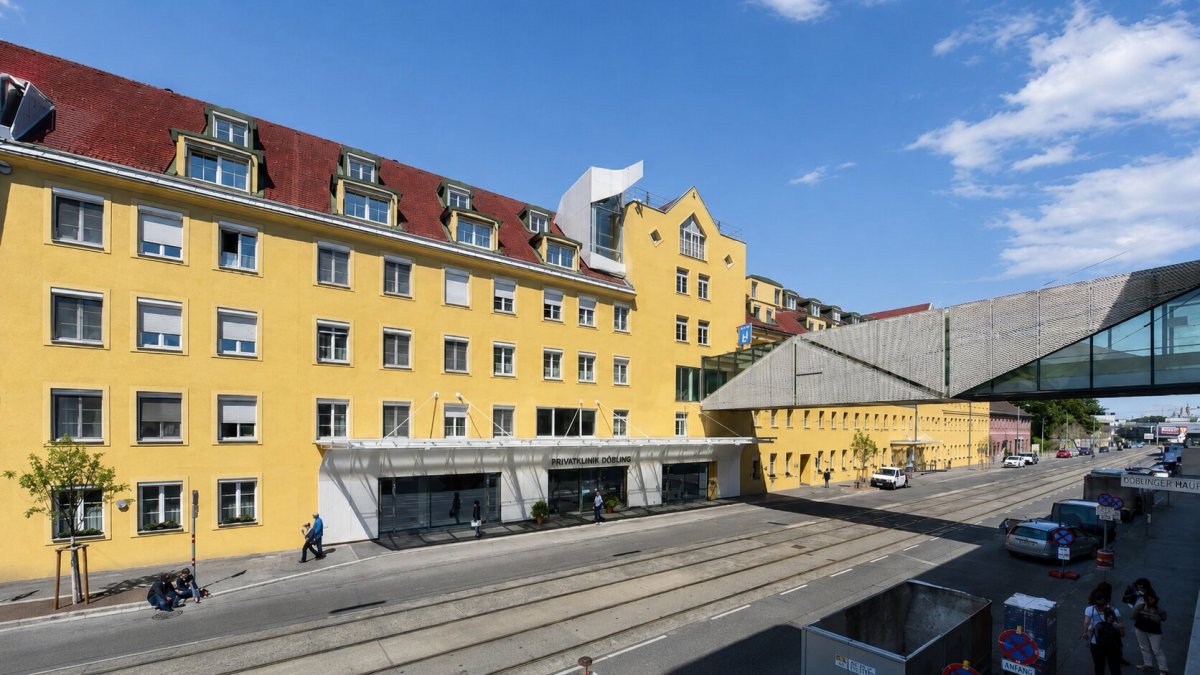
رأي خبراء بوكيمد: تتميز عيادات مثل مستشفى دوبلينغ الخاص بمعدلات مضاعفات أقل بكثير من المتوقع. يتيح هذا المستوى العالي من السلامة للجراحين إجراء عمليات جراحية حتى للأورام الليفية الحميدة الصغيرة. وتولي المرافق المتوافقة مع معايير اللجنة الدولية المشتركة (JCI) أولوية قصوى للراحة النفسية والحفاظ على النتائج التجميلية. كما تضمن الخبرة في
ما هي التقنيات الجراحية المتوفرة في المستشفيات والعيادات النمساوية؟
تُقدّم المستشفيات النمساوية أحدث التقنيات الجراحية، بما في ذلك أنظمة دافنشي الروبوتية وجراحة المناظير طفيفة التوغل. وتُولي مؤسسات مثل مستشفى دوبلينغ الخاص أولوية قصوى للحفاظ على الأعضاء وسلامتها وفقًا لمعايير اللجنة الدولية المشتركة. وتضمن البروتوكولات الجراحية دقة عالية مع الحفاظ على النتائج التجميلية والوظيفية من خلال شقوق صغيرة موضوعة استراتيجيًا.
- الدقة الروبوتية: تُمكّن أنظمة دافنشي من إزالة الأورام النسائية والأورام السرطانية بأقل قدر من التدخل الجراحي.
- الحفاظ على الأعضاء: يستخدم الجراحون عملية استئصال الورم لإزالة الأورام مع الحفاظ على الأنسجة السليمة.
- موضع الشق: تعمل تقنيات الشق المخفي على تقليل الندوب المرئية والحفاظ على الشكل الطبيعي للثديين.
- السلامة التشخيصية: تستخدم العيادات المعتمدة من قبل منظمة المعايير الدولية (ISO) خزعة الإبرة لضمان التخطيط الجراحي الدقيق.
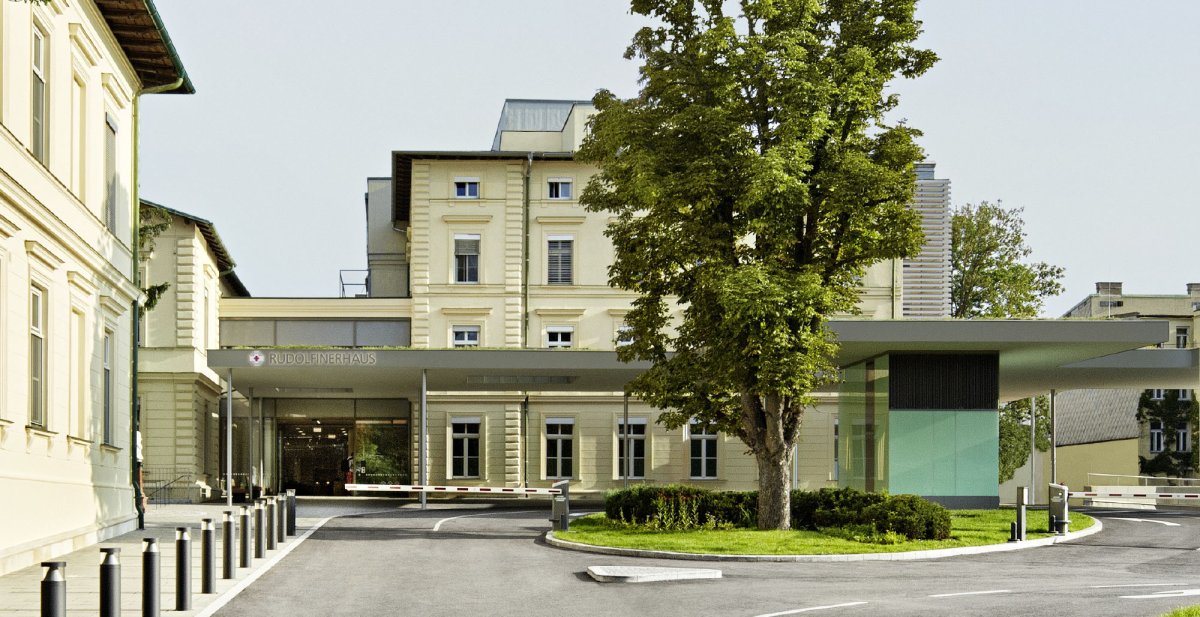
رأي خبراء بوكيمد: تشير بيانات عدد المرضى إلى تفضيل العيادات الخاصة ذات التاريخ العريق في فيينا. تعمل عيادة رودولفينرهاوس الخاصة منذ أكثر من 150 عامًا، بينما يعالج مستشفى دوبلينغ الخاص 16000 مريض سنويًا. غالبًا ما يرتبط هذا العدد الكبير من المرضى بانخفاض معدل المضاعفات، لا سيما في الأقسام الجراحية
هل تكفي المراقبة الروتينية في أي حال من الأحوال، أم يجب إزالة كل ورم ليفي غدي؟
البروتوكول القياسي لمعظم الأورام الليفية الغدية المستقرة هو المراقبة الدورية. ولا يلزم استئصال الورم إلا إذا كان ينمو بسرعة، أو يسبب ألمًا، أو تظهر عليه علامات مشبوهة في التصوير. أما الأورام الحميدة الصغيرة التي يقل حجمها عن 4 سنتيمترات، فغالبًا ما تبقى دون تغيير أو تنكمش تلقائيًا دون تدخل طبي.
- معايير الملاحظة: يوصي الأطباء بمراقبة الآفات التي لا تظهر عليها أعراض والتي تم تأكيدها عن طريق خزعة الإبرة.
- جدول المتابعة: تشمل المراقبة النشطة الفحوصات البدنية والتصوير بالموجات فوق الصوتية كل 6 إلى 12 شهرًا.
- معايير الحجم: عادةً ما تتطلب التكوينات الأكبر من 5 سنتيمترات أو التي تسبب تشوه الثدي إزالة جراحية.
- دواعي الاستئصال: يوصى بالاستئصال في حالات النمو السريع للورم، أو عدم اليقين التشخيصي، أو القلق الشديد لدى المريض.
رأي خبراء بوكيمد: على الرغم من أن العديد من المرضى يخشون الحاجة إلى الجراحة، إلا أن المراكز النمساوية الخاصة، مثل مستشفى دوبلينغ الخاص، تُولي اهتمامًا خاصًا للتشخيص الدقيق لتجنب الإجراءات غير الضرورية. ويُساعد اختيار مركز معتمد من اللجنة الدولية المشتركة (JCI) يُقدم تحاليل هرمونية متخصصة على ضمان سلامة المتابعة. تُشير البيانات إلى أن المراكز التي تستقبل أعداد
ما هي التخصصات الطبية التي تعالج الأورام الليفية الغدية في النمسا؟
في النمسا، يتولى أطباء أمراض النساء علاج الأورام الليفية الغدية بشكل أساسي. ويشرفون على كامل مراحل العلاج، بدءًا من الفحص الأولي وحتى المتابعة طويلة الأمد. وفي عيادات مثل مستشفى دوبلينغ الخاص، تضم الفرق متعددة التخصصات أخصائيي الأشعة وأخصائيي علم الأمراض. ويختار الأخصائيون بين المراقبة أو الاستئصال الجراحي طفيف التوغل بناءً على خصائص الأنسجة وأعراض المريضة.
- أطباء أمراض النساء: يقومون بإجراء الفحوصات الأولية والمتابعة الطبية طويلة الأمد لظهور الأورام.
- أخصائيو الأشعة: يقومون بإجراء التصوير التشخيصي باستخدام الموجات فوق الصوتية أو التصوير الشعاعي للثدي أو التصوير بالرنين المغناطيسي عالي الدقة.
- أخصائيو علم الأمراض: يقومون بتقييم عينات الأنسجة التي تم الحصول عليها أثناء خزعات الإبرة لاستبعاد الأورام الخبيثة بدقة.
- جراحو الثدي: يقومون بإجراء الاستئصال الجراحي أو الاستئصال بالتبريد للأورام الليفية الغدية الكبيرة أو المؤلمة.
رأي خبراء بوكيمد: في عيادة نمساوية خاصة، يشير ارتفاع عدد المرضى غالبًا إلى دقة التشخيص. يعالج مستشفى دوبلينغ الخاص 16000 مريض سنويًا ويطبق معايير السلامة الخاصة باللجنة الدولية المشتركة (JCI). معدلات المضاعفات المُبلغ عنها أقل بكثير من المعدلات القياسي
ما هي فترة التعافي المتوقعة والتوصيات المتعلقة بالرعاية بعد العملية الجراحية في النمسا؟
تستغرق فترة التعافي بعد استئصال الورم الليفي الغدي في النمسا عادةً من أسبوع إلى ثلاثة أسابيع. ويعود معظم المرضى إلى العمل في غضون سبعة أيام. وتُعطي البروتوكولات القياسية الأولوية للسلامة، بما يتماشى مع إرشادات اللجنة الدولية المشتركة. وتشير مؤسسات مثل مستشفى دوبلينغ الخاص إلى انخفاض معدلات المضاعفات بشكل ملحوظ عن المتوقع بفضل تطبيق نظام صارم لمراقبة الجودة.
- التعافي الأولي: يزول معظم الألم والتورم خلال الأيام الخمسة الأولى.
- النشاط البدني: تجنب رفع الأثقال التي تزيد عن 5 كجم لمدة أسبوع إلى أسبوعين بعد الجراحة.
- العناية بالجروح: حافظ على جفاف الشقوق الجراحية لمدة 48 ساعة، وفقًا لتعليمات المستشفى المحلي.
- قيود النشاط: يُحظر السباحة وزيارة الحمامات الحرارية حتى يلتئم الجرح الجراحي تماماً.
رأي خبراء بوكيمد: تجمع عيادات مثل عيادة ليتش الخاصة ومستشفى رودولفينرهاوس بين العلاج الجراحي ووحدات إعادة التأهيل المتخصصة. ورغم سرعة التعافي الأساسي، يُوصي النظام النمساوي غالبًا بالمراقبة الرسمية في هذه الوحدات المتخصصة. وهذا يضمن استقرار مستويات الهرمونات ونتائج تصوير الثدي بالأشعة قبل الخروج الكامل من المستشفى. هذا النهج التدريجي هو ما يدفع المرضى من جميع أنحاء أوروبا لاختيار فيينا
ما مدى فعالية الإجراءات غير الجراحية أو طفيفة التوغل في الحفاظ على مظهر طبيعي للثدي؟
تتيح التقنيات طفيفة التوغل الحفاظ على المظهر الطبيعي للثديين بشكل موثوق حتى مع وجود آفات طفيفة أو تغيرات في الأنسجة. تستخدم هذه التقنيات شقوقًا مخفية أو ثقوبًا دقيقة للحفاظ على شكل الثدي. يعتمد نجاح هذه التقنيات على الخصائص التشريحية وحجم الورم وخبرة الجراح. في الحالات المعقدة التي تتسم بترهل كبير أو آفات واسعة، لا تزال هناك حاجة إلى أساليب إعادة تشكيل الثدي التقليدية.
- موقع الشق: يقوم الجراحون بإخفاء العلامات في الإبط أو السرة أو طية الهالة.
- إزالة الورم الليفي الغدي: تسمح الخزعة بمساعدة الشفط بإزالة الأورام الصغيرة من خلال ثقوب جلدية صغيرة يبلغ قطرها أربعة ملليمترات.
- زيادة الحجم: تسمح لك عملية تطعيم الدهون بإضافة حجم طبيعي باستخدام أنابيب دقيقة دون ترك ندوب على ثدييك.
- الحفاظ على الأنسجة: تعمل علاجات الترددات الراديوية على شد الجلد من الأسفل باستخدام حقن صغيرة بحجم الإبرة.
رأي خبراء بوكيمد: غالبًا ما يؤدي اختيار عيادة ذات عدد كبير من المرضى إلى نتائج تجميلية أفضل. يعالج مستشفى دوبلينغ الخاص في فيينا 16000 مريض سنويًا، ويحافظ على معدل مضاعفات منخفض للغاية. يشير العدد الكبير من العمليات إلى أن الفرق الجراحية قد أتقنت فن إخفاء الندوب بدقة متناهية. هذه الخبرة، المبنية
ما هي المدة النموذجية للإقامة في المستشفى المطلوبة لعلاج الورم الليفي الغدي في النمسا؟
عادةً ما يمكث المرضى في المستشفيات النمساوية لمدة تتراوح بين يوم واحد وصفر يوم لإجراء عملية استئصال الورم الليفي الغدي. وتتيح الإجراءات طفيفة التوغل في كثير من الأحيان الخروج من المستشفى في نفس اليوم. أما عمليات الاستئصال الجراحية التقليدية فقد تتطلب مبيتًا ليلة واحدة في المستشفى للمراقبة. وينبغي على المرضى الدوليين التخطيط للسفر لمدة تتراوح بين 7 و10 أيام لتلقي الرعاية اللاحقة.
- الإجراءات التي تُجرى للمرضى الخارجيين: عادةً ما يسمح الاستئصال بالتبريد أو الخزعة بمساعدة الشفط بخروج المريض من المستشفى في نفس اليوم في غضون ساعات قليلة.
- الاستئصال الجراحي: غالباً ما يتطلب استئصال الورم تحت التخدير العام الإقامة في المستشفى لليلة واحدة.
- الحالات المعقدة: قد تتطلب الأورام الليفية الغدية العملاقة من يوم إلى ثلاثة أيام للتصريف.
- فترة السفر المناسبة: للحصول على تصريح طيران، يجب عليك البقاء في النمسا لمدة 10 أيام.
رأي خبراء بوكيمد: على الرغم من أن عيادات فيينا، مثل مستشفى دوبلينغ الخاص ومستشفى رودولفينرهاوس الخاص، تتمتع بخبرة عقود في الرعاية الجراحية، إلا أن تخصص العيادة غالباً ما يحدد مدة الإقامة. في مستشفى دوبلينغ الخاص، معدلات المضاعفات منخفضة للغاية، وهذا المستوى العالي من ا