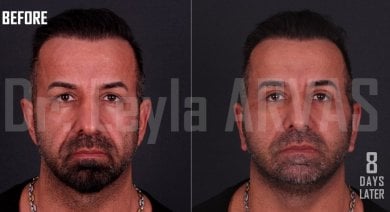
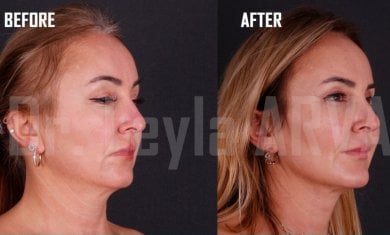
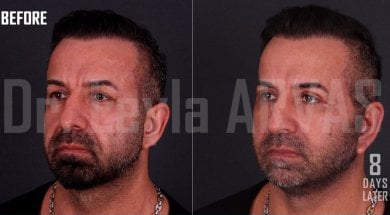
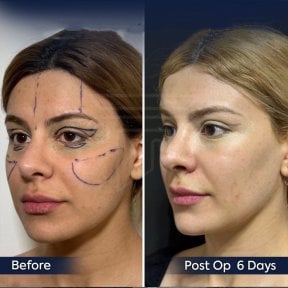
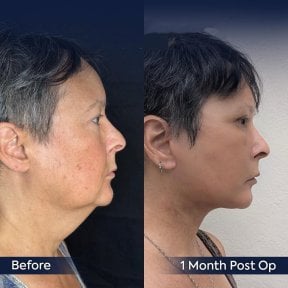
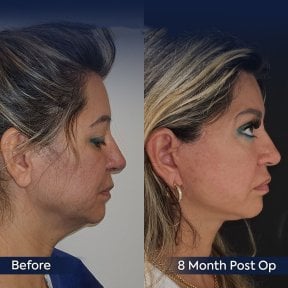
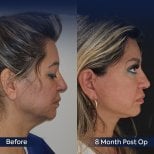
Facial fat transfer is a safe procedure with a complication rate under 1% for major risks like fat embolism. Success depends on the micro-droplet technique and surgeon expertise. Common side effects include temporary swelling, bruising, and a 30% to 70% natural resorption rate within 6 months.
- Fat resorption: Approximately 30% to 70% of transferred fat may vanish within 6 months.
- Asymmetry issues: Uneven absorption can occur, often requiring a touch-up session after 6 months.
- Oil cysts: Small, palpable lumps affect 10% to 20% of patients but usually resolve naturally.
- Surgical precision: Advanced micro-injection techniques significantly reduce risks of skin dimpling or vascular occlusion.
Bookimed Expert Insight: Data shows a clear trend where surgeons with EBOPRAS or ISAPS certifications, like those at Quartz Hospital, prefer conservative transfers under 30ml. While high-volume injections seem attractive for instant results, smaller, precise doses demonstrate much higher fat survival rates and fewer long-term revisions. Always prioritize doctors who showcase 1-year follow-up photos to verify lasting volume.
Patient Consensus: Patients frequently mention that while the initial results are exciting, the emotional reality involves managing significant swelling for several weeks. Most advise budgeting for a second `refinement` session, as a single procedure rarely achieves the final desired volume.