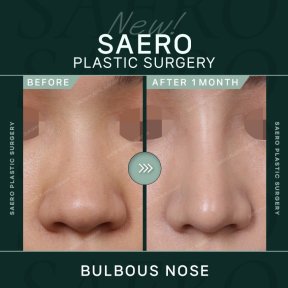
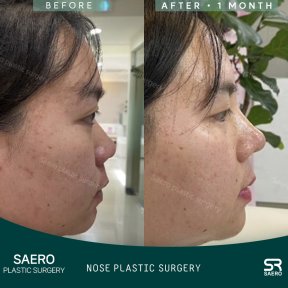
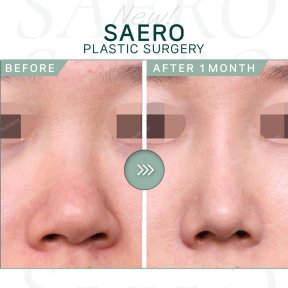
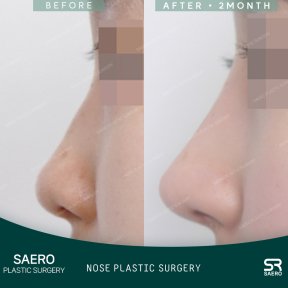
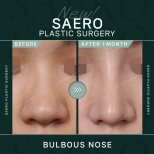
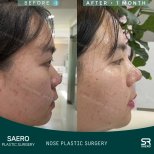
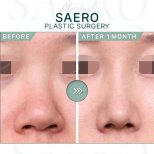
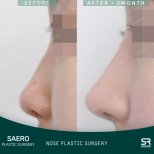
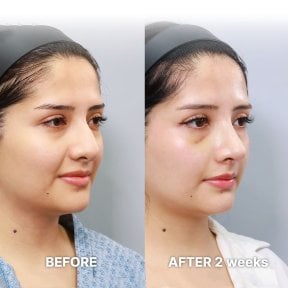
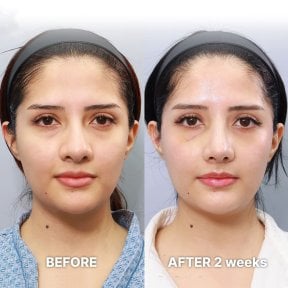
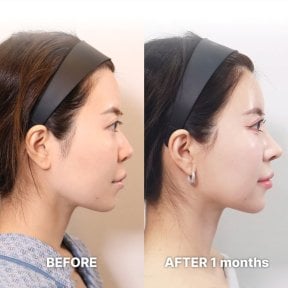
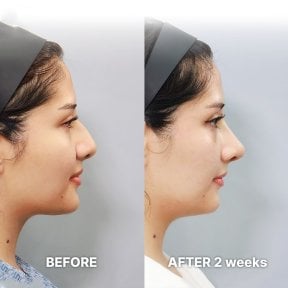
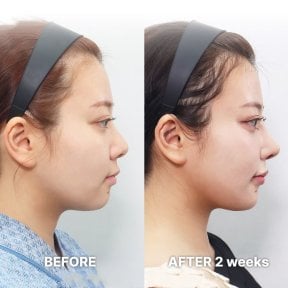
Korean surgeons prioritize autologous materials for tip reshaping to achieve natural movement and minimize rejection. They primarily use septal, ear, and rib cartilage instead of synthetic implants for the nasal tip. This approach caters to Asian nasal anatomy for long-term structural integrity and aesthetic refinement.
- Septal cartilage: Surgeons use this strong, flat material for primary support and tip projection.
- Ear cartilage: This flexible material provides natural curves and seamless blending for smaller tip refinements.
- Rib cartilage: Specialists use costal cartilage for complex reconstructions or cases needing significant volume.
- Diced cartilage: Diced cartilage wrapped in fascia helps create smooth, soft contours without visible edges.
Bookimed Expert Insight: Data shows that leading Seoul specialists like Dr. Park Young Kyu and Dr. Kang Moon Seok are steering committee members of the Korean Rhinoplasty Research Society. This academic leadership indicates that Korean techniques are not just based on standard practice, but are actively developed through research in specialized societies. This allows surgeons to master multi-layered cartilage stacking specifically for durable tip results.
Patient Consensus: Patients note it is common for surgeons to harvest cartilage from the ear or septum during the procedure. They feel more comfortable using their own tissue because it looks and feels natural compared to rigid implants. Many are surprised at how soft the nasal tip remains after healing.