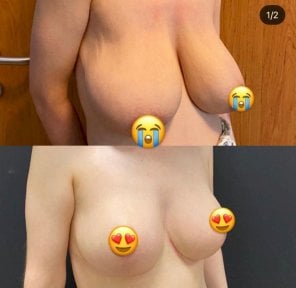
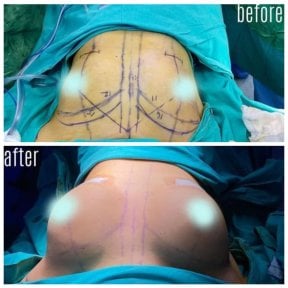
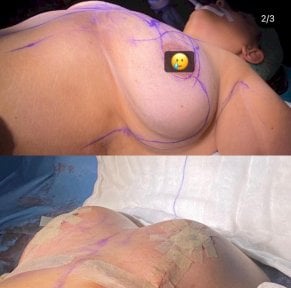
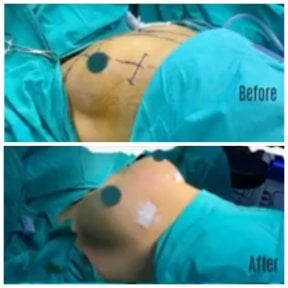
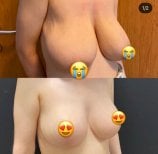
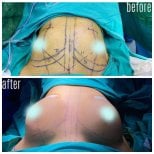
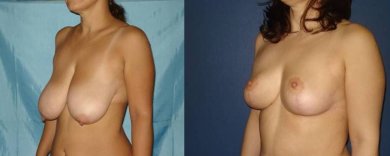
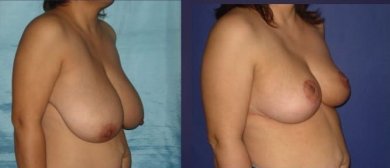
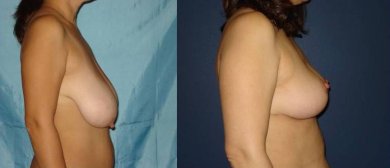
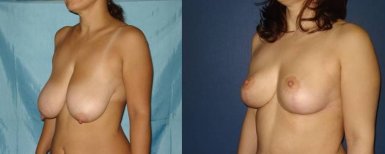
Sensation in the reconstructed breast often returns partially as peripheral nerves regenerate, though immediate numbness after a mastectomy is common. Recovery depends on the technique used, with autologous flap procedures generally offering better sensory potential than implant-based reconstruction due to the transfer of living tissue.
- Tissue-based recovery: Autologous flap surgery allows for better natural sensation than breast implants.
- Regeneration timeline: Nerve regrowth is slow, often taking 1 to 2 years for full recovery.
- Specialized reinnervation: Microsurgical nerve grafting can bridge severed nerves to potentially restore feeling.
- Sensory changes: Patients often experience tingling or shooting pains as nerves gradually wake up.
Bookimed Expert Insight: While many focus on the type of flap used, the surgeon's specific microsurgery experience is the real differentiator for sensation. Doctors like Hasan Sahin at Hisar Hospital, who has performed over 12,000 procedures, specialize in these intricate connections. Choosing a surgeon certified by EBOPRAS or ASPS ensures they are trained in the advanced grafting techniques necessary to move beyond just aesthetic restoration to functional nerve recovery.
Patient Consensus: Many feel a sense of numbness initially, describing the area as feeling like a strangers body. While pressure awareness often returns first, light touch remains inconsistent and varies significantly across different areas of the breast.