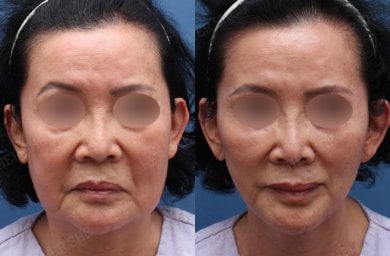
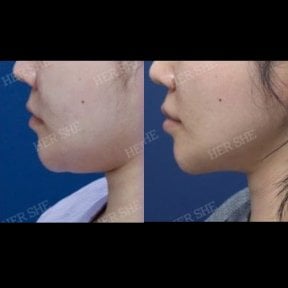
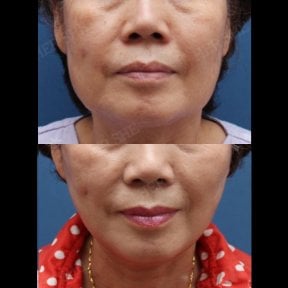
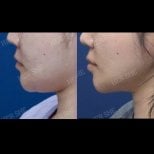
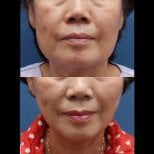
Ideal candidates for facial fat transfer are healthy adults with visible volume loss in the cheeks, temples, or under-eyes and sufficient donor fat. In the Republic of Korea, specialists often use stem cell-enhanced techniques to improve the long-term survival of grafted tissue.
- Donor availability: Must have harvestable fat from areas like the abdomen, flanks, or thighs.
- Body composition: Patients with an average BMI between 20-25 typically provide higher quality fat.
- Weight stability: Candidates should maintain a steady weight to prevent transferred cells from fluctuating.
- Skin elasticity: Best for those with mild to moderate volume loss rather than severe sagging.
Bookimed Expert Insight: While many clinics claim high survival rates, our data shows that 50-70% fat retention is the realistic standard. To counter this, top Seoul surgeons like Jung Young Choon at HERSHE Plastic Surgery use patented stem cell technology. This approach often results in better tissue integration, potentially reducing the need for the second touch-up commonly required in traditional grafting.
Patient Consensus: Patients emphasize that while Korean clinics often market the procedure as having no downtime, most experience noticeable bruising for 2 to 4 weeks. Many suggest choosing surgeons with over 1,000 documented cases to ensure natural-looking facial symmetry.